
BEEF //
BEEF //
BEEF I
British experimental film
Inspired by the US avant-garde, British experimental film of the last century quickly found its own direction. The films in this program represent a fraction of these rich practices. Much of this work was created at the London Film-Makers’ Co-op and centres on the activity of making and procedural systems. The co-op film printer, constructed by Malcolm Le Grice, enabled complex printing techniques and facilitated structural cinema strategies of repetition, reiteration and colour experimentation. Systems were deployed through which to give shape to the work: the earlier films in particular drew upon landscape as an existing order, while the givens dictated by film technology, such as the length of film rolls, determined a number of works including those by Guy Sherwin. The focus on landscape later evolved into interrogation of ecological issues (Sandra Lahire). The body is present through these works in relation to film operations: as a structuring tool (William Raban), as absence (Lis Rhodes), through tactility (Annabel Nicolson) and as a means of performance and gesture (Jayne Parker). The groundbreaking tendencies that emerged from this fertile period have informed much contemporary artist moving image.
BEEF collective
Berlin Horse
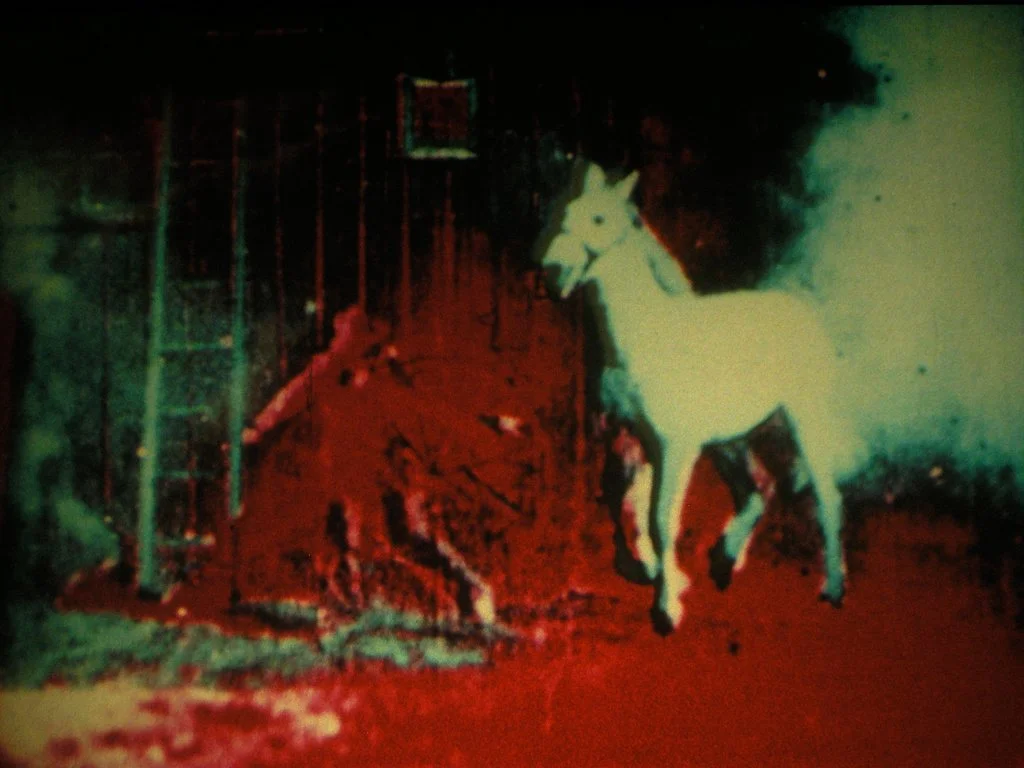
Malcolm Le Grice, Great Britain, 1970, 16 mm, 1.37, colour 9', no dialogue
This multi-projection film was based entirely on a novel but simple idea of a repeating, subtly changing film loop. The soundtrack created by Brian Eno was also implemented using a tape loop. Berlin Horse examines how the eye works and how the minds builds up a perceptual rhythmic structure.
Shapes
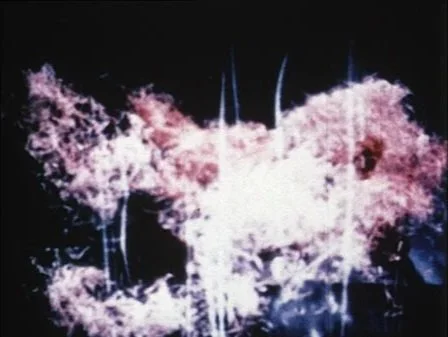
Annabel Nicholson, Great Britain, 1970, 16 mm, 1.37, colour, 7', silent
Abstract exploration from the textural and plastic sources. The colours, shapes and rhythms of the original elements have been developed into a lyrical abstract vision by means of refilming from the screen, superimposition, stop-frame projection, editing and by an exploration of the incidental tactile process of the film i.e. dust particles.
Breath
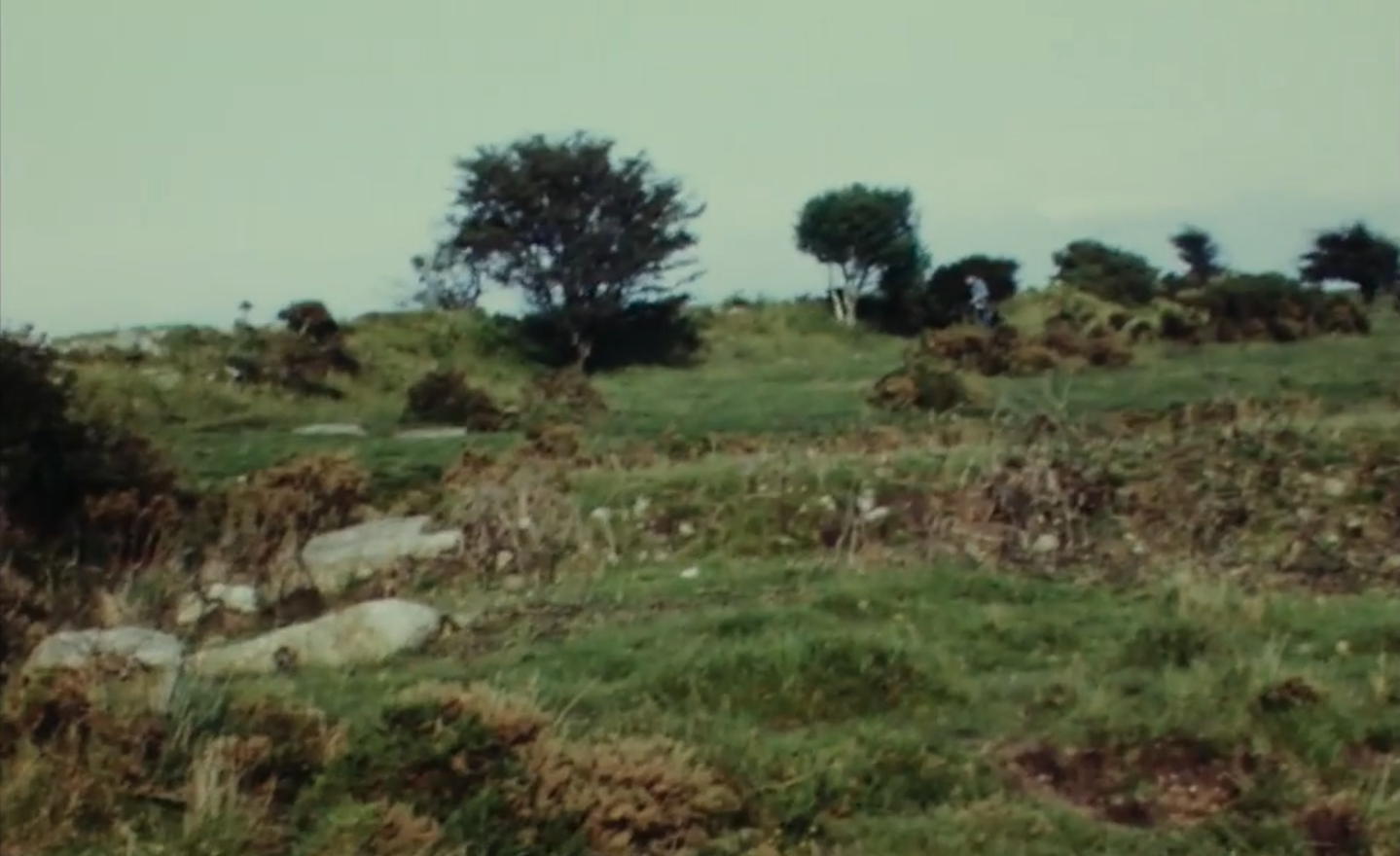
William Raban, Great Britain, 1974, 16 mm, 1.37, colour, 13', no dialogue
Shot in a remote part of Dartmoor, Breath is structured around a precise score. Three people are each given a camera loaded with 100ft of Kodachrome film and instructed to walk away from a tape recorder that has been placed within the landscape. The camera operators’ breath and whistling become a measure for the duration of the shots as they film their journey.
Metronome
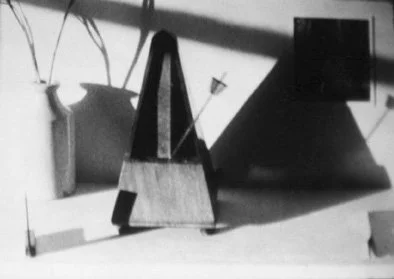
Guy Sherwin, Great Britain, 1975, 16 mm, 1.37, black&white, 3', silent
The passage of late afternoon sun across a mantelpiece during during the course of a hour or more, recorded in time-lapse at the rate of one frame per second. The weight of the metronome arm is adjusted periodically during filming to alter the phasing of the two spring-round mechanisms - one in the camera, one in the metronome.
Light Reading
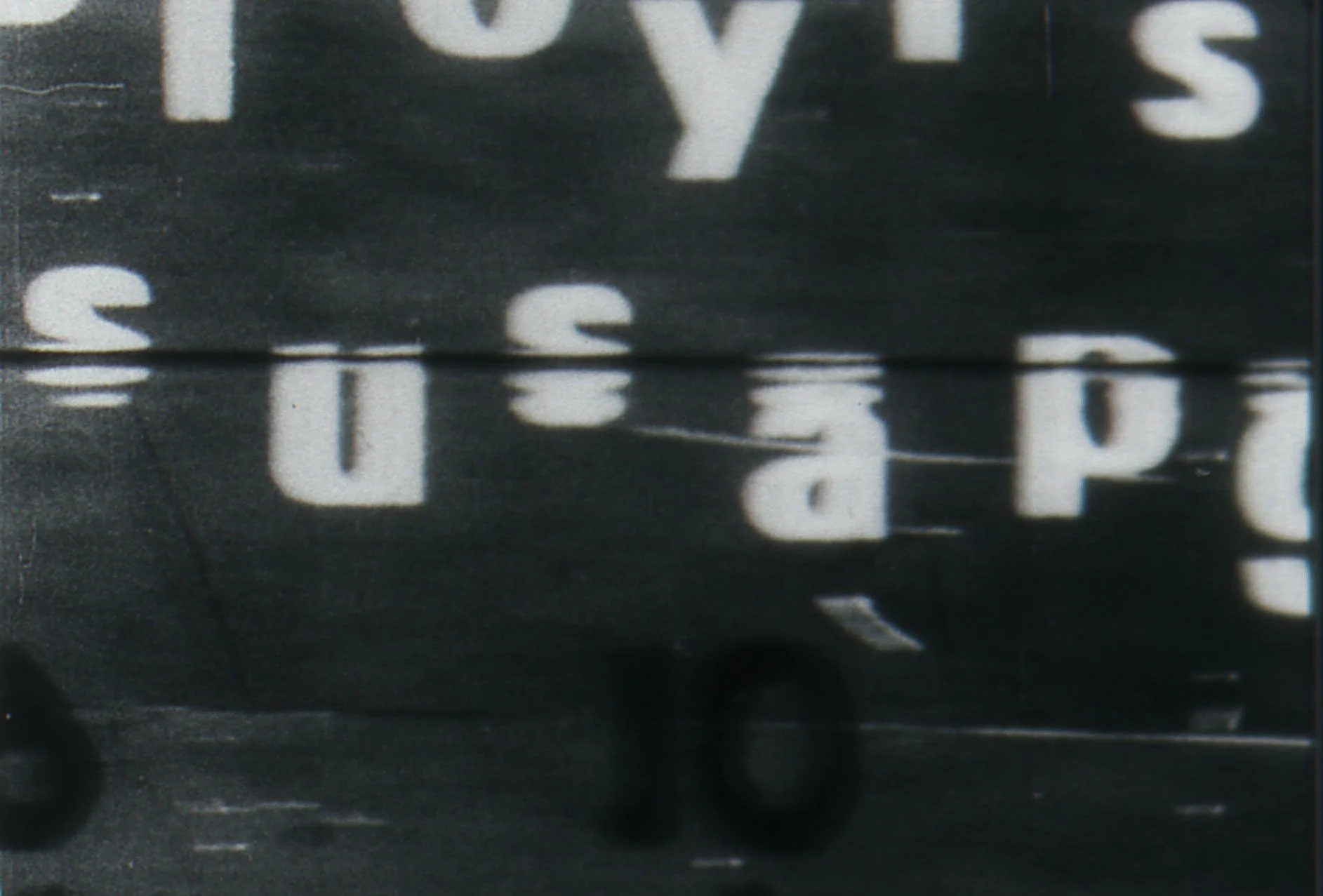
Lis Rhodes, Great Britain, 1978, 16 mm, 1.37, black&white, 20', Slovenian video subtitles
Light Reading begins in darkness. A woman’s voice reads extracts of text by the American Modernist writer Gertrude Stein. When the voice stops, a loose narrative takes shape from a series of collaged photographs, including one of a bloodstained bed. In this film, as in her others, Rhodes explores the power relationships present in both ‘the grammar of looking and the grammar of language’.
Uranium Hex
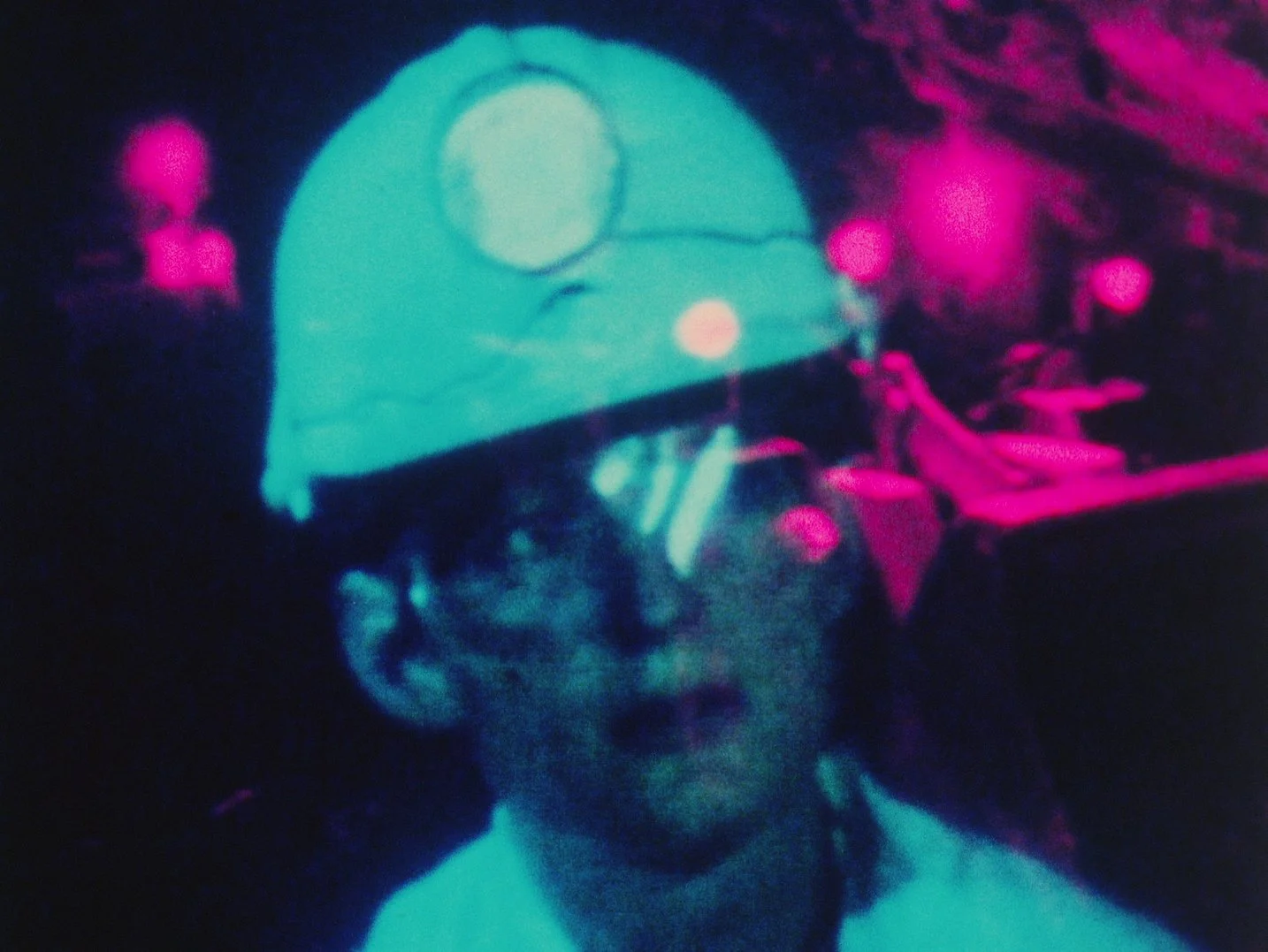
Sandra Lahire, Great Britain, 1987, digital format (shot on 16 mm), 1.37, colour, 11', no dialogue
Using a kaleidoscopic array of experimental techniques, this film explores uranium mining in Canada and its destructive effects on both the environment and the women working in the mines. A plethora of images ranging from the women at work to spine-chilling representations of cancerous bodies are accompanied by unnerving industrial sounds and straightforward information from some of the women.
K
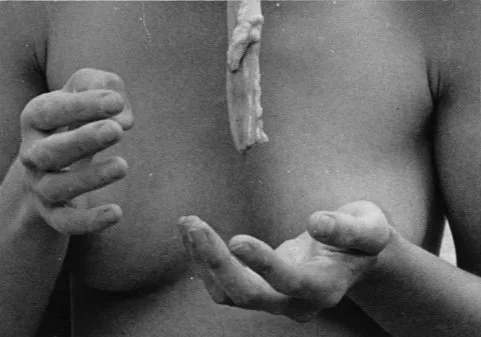
Jayne Parker, Great Britain, 1989, 16 mm, 1.37, black&white, 13', no dialogue
Part 1: a woman pulls her intestine out of her mouth and lets it fall in a soft pile at her feet. Then she knits the intestine using only her arms.
Part 2: she stands on the edge of a pool and makes herself dive again and again.
“I bring out into the open all the things I have taken in that are not mine and thereby make room for something new. I make an external order out of an internal tangle.” - J.P.
The program was curated by members of the BEFF collective—Bristol Experimental Expanded Film.
ABOUT THE BEEF COLLECTIVE
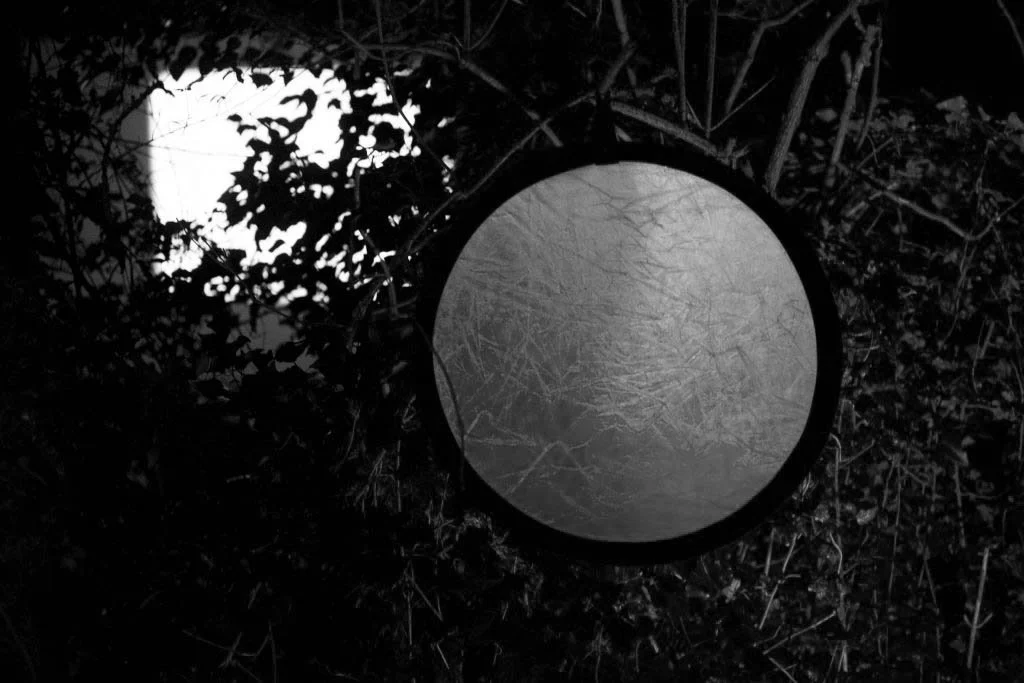
Bristol Experimental Expanded Film (BEEF) is a film and sound collective supporting experimental practice in Bristol (UK) since 2015. BEEF provides an independent platform and much needed resource for artists’ production, distribution and critical engagement, predominantly focusing on experimental and analogue practices. BEEF members collaborate and work together to organise a regular programme of events, screenings, performances, exhibitions, residencies, and film & sound workshops. BEEF members are a mix of artists, curators, producers, organisers, writers, teachers and academics that currently includes: Yas Clarke, Melanie Clifford, Katy Connor, Matt Davies, Simone Einfalt, Sam Francis, Louisa Fairclough, Kathy Hinde, David Hopkinson, Elisa Kay, Dani Landau, Eliza Lomas, Rod Maclachlan, Angela Piccini, Shirley Pegna, Laura Phillips, Claudia Pilsl, Niyaz Saghari, Marcy Saude, Vicky Smith, Oliver Sutherland, Snoozie, Zoe Tissandier, Siôn Marshall-Waters, Melanie Thompson, Melissa Edwards, Diwas Dewan. http://www.beefbristol.org/