
BEEF II //
BEEF II //
GRAIN AND GRIT
CONTEMPORARY EXPERIMENTAL FILMS FROM BEEF
The films in this program reflect both a material quality and a mindset. They are characterised by the surface granulation, texture and grain that arises from handmade analogue small-gauge film methods. Confronting often challenging and difficult topics, portraying marginal figures, perspectives and lifestyles and realised through small budgets and alternative practices, these films reflect determination, perseverance and tenacity. They could be considered to belong to the gritty realist tradition that characterises much British cinema: a persistence with practices and subjects that go against the grain and receive less representation in mainstream cinema.
BEEF collective
His and Hers and the Sun
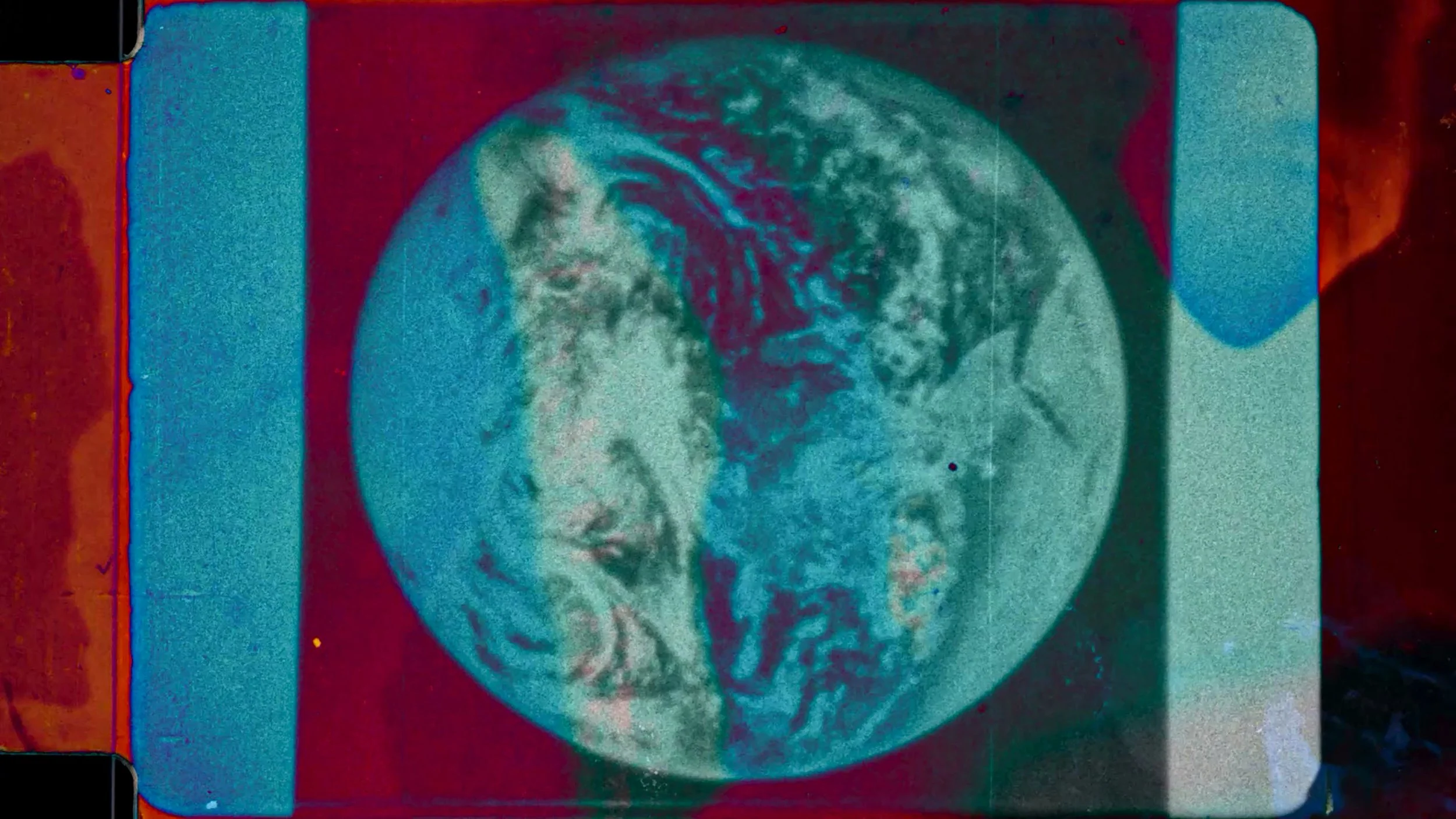
Laura Phillips, Great Britain, 2022, digitalni format (shot on 16 mm), 1.78, colour, 4', no dialogue
An abstracted 16mm film made with Orwo UN54 16mm film, hand developed & then overlaid with cameraless filmmaking techniques using washi tape & cyanotype. The recurring motifs of the Blue Marble photo & water draining in a sink with the multiple layering of images can be seen as a reflexive statement about the processing of filmmaking & a playful visual pun about water detritus and waste management. The soundtrack was made by Mark Vernon, a sound artist who works with tactility & intimacy of radio, known for his recycling of field recordings & obsolete media. Both the soundscore & visuals use repetitive rhythms to simulate cyclical systems, beit the water cycles, refuge cycles or ways of looking.
Grit
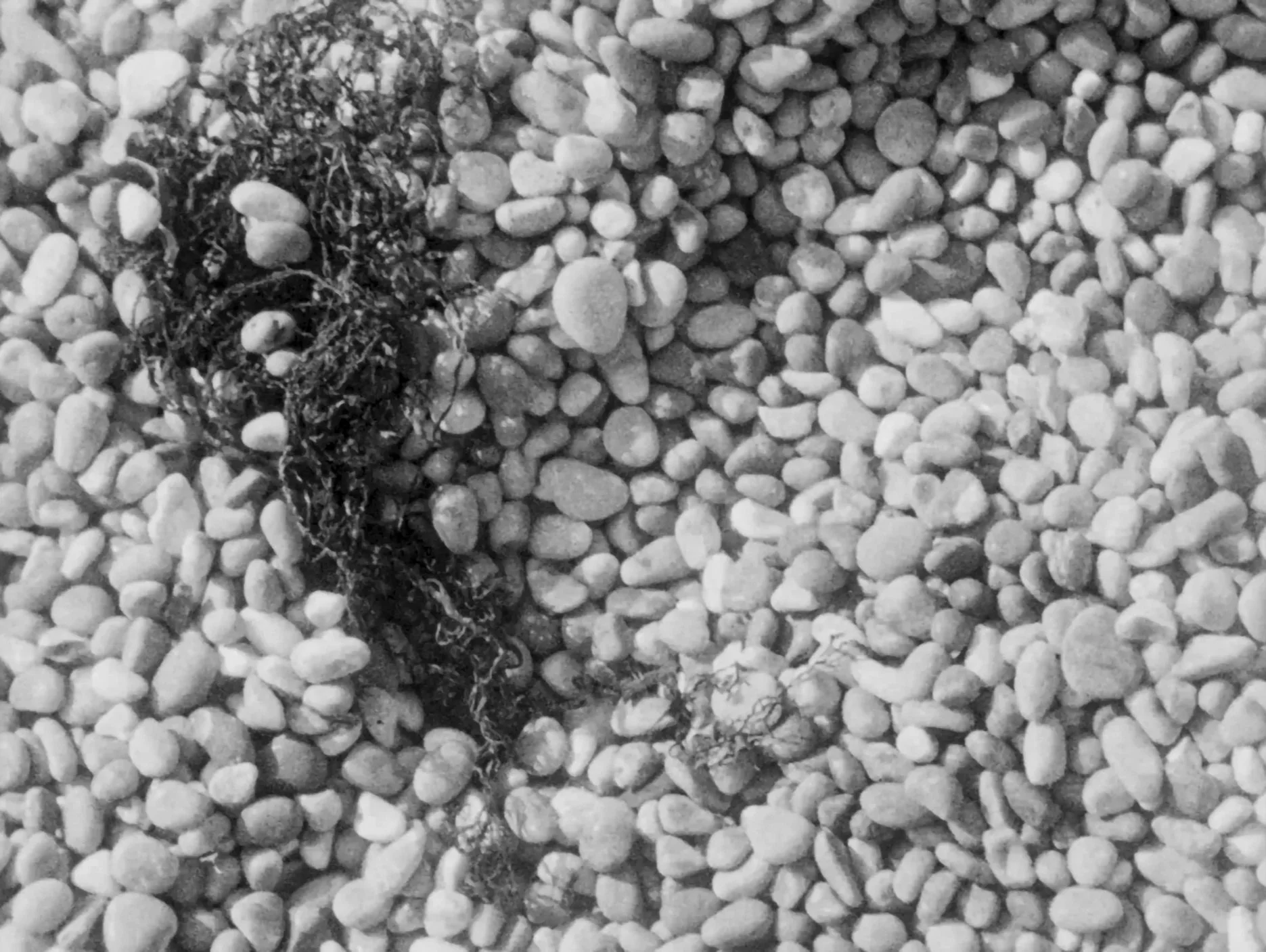
Matt Davies, Great Britain, 2021, 16 mm, 1.37, black&white, 3'12'', no dialogue
A 16mm camera held against the artists stomach and pointed at the ground, takes a single frame every 12 steps during an 18 mile walk along the length of Chesil Beach in Dorset, UK.
Mental Falls
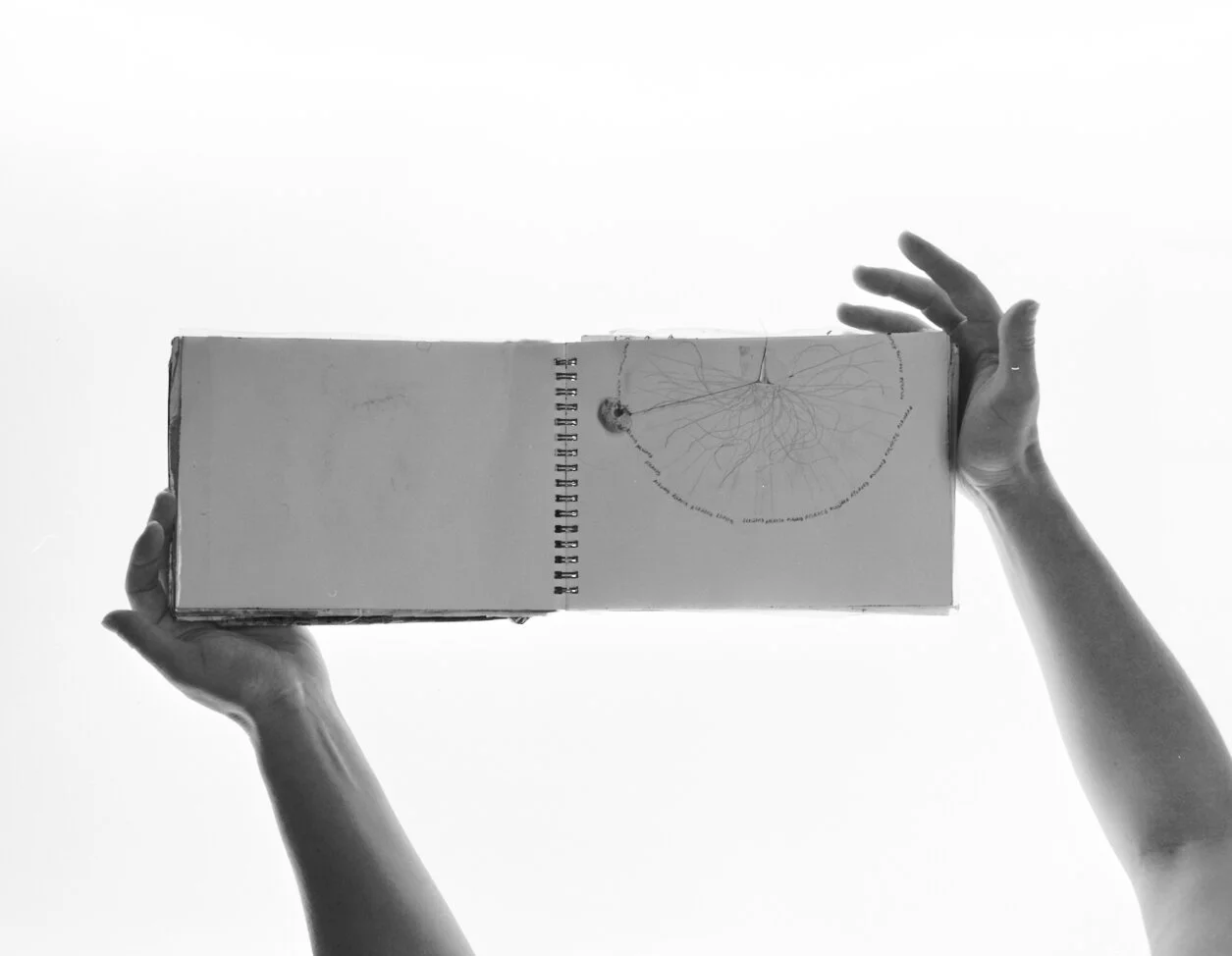
Louisa Fairclough, Great Britain, 2024, digital format, colour, 28', Slovenian video subtitles
Mental Falls is a short lyrical essay film weaving the voices of singers with Louisa’s own voice in a close observation of her sister Hetta Fairclough’s sketchbook. Prior to taking her own life, Hetta (1973-2008) produced a remarkable sketchbook of drawings which take the form of assemblages and visual poems made using handwritten text and materials such as thread, stone and cropped personal photographs. Many of the drawings describe the physical manifestation of anxiety and feelings of self-consciousness. Page by page, Louisa’s interpretation of her sister’s drawings – spoken and sung – becomes the soundtrack to the film.
Shedding
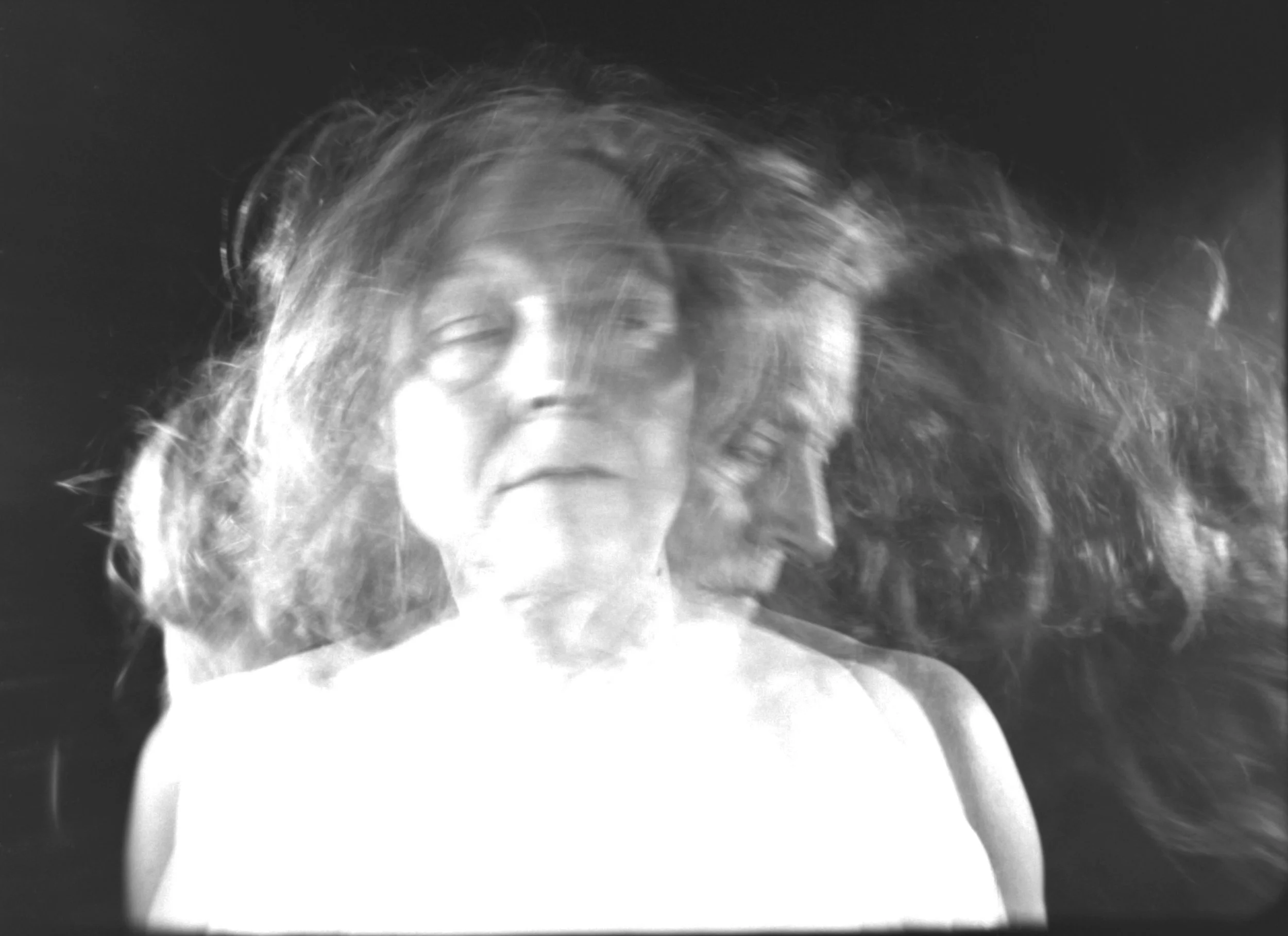
Vicky Smith, Great Britain, 2025, 16 mm, 1.37, black&white, 5', silent
A performance for the Bolex camera in which dimensions of stasis and movement are physically enacted by filming at varying frame rates. A still figure, saturated with light, appears to be highly overexposed. As layers of the image dislodge and peel away it becomes apparent that the exposure is correct, and that actually the brightness is caused through repeated multiple superimpositions.
Oram's Piano
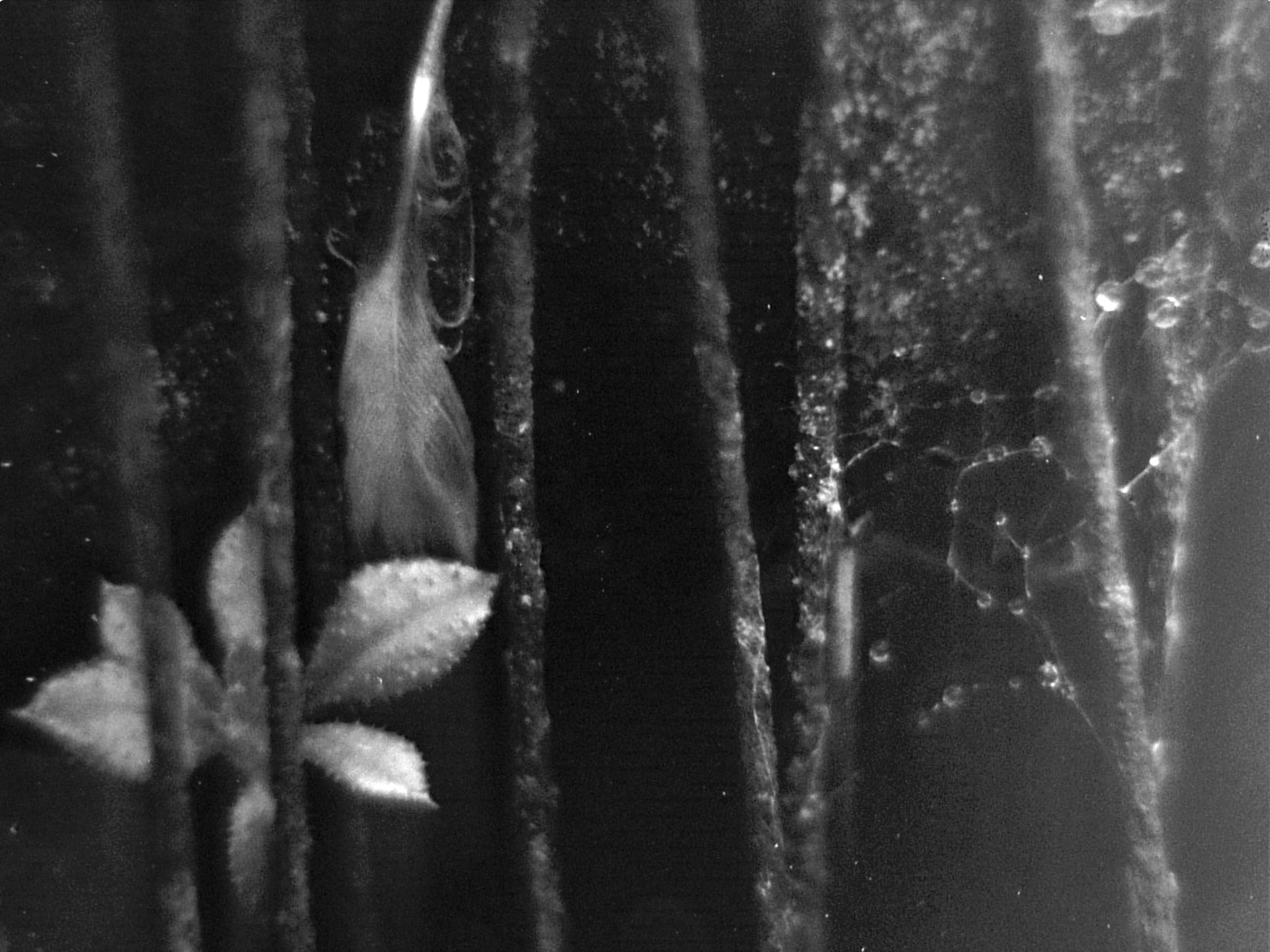
Kathy Hinde, Great Britain, 2026, digital format (shot on na 16 mm), 1.33, colour, 5', no dialogue
This is a new film being made for this film programme and includes photogram and frottage, alongside 16mm footage of Daphne Oram's piano and tower folly.
“My work grows from a partnership between nature and technology expressed through audio-visual installations and performances that combine sound, sculpture, image and light. I frequently work in collaboration with other practitioners and scientists and often actively involve the audience in the process. Drawing on inspiration from behaviours and phenomena found in the natural world, I create work that is generative; that evolves; that can be different each time it is experienced.” - K.H.
Forest Coal Pit
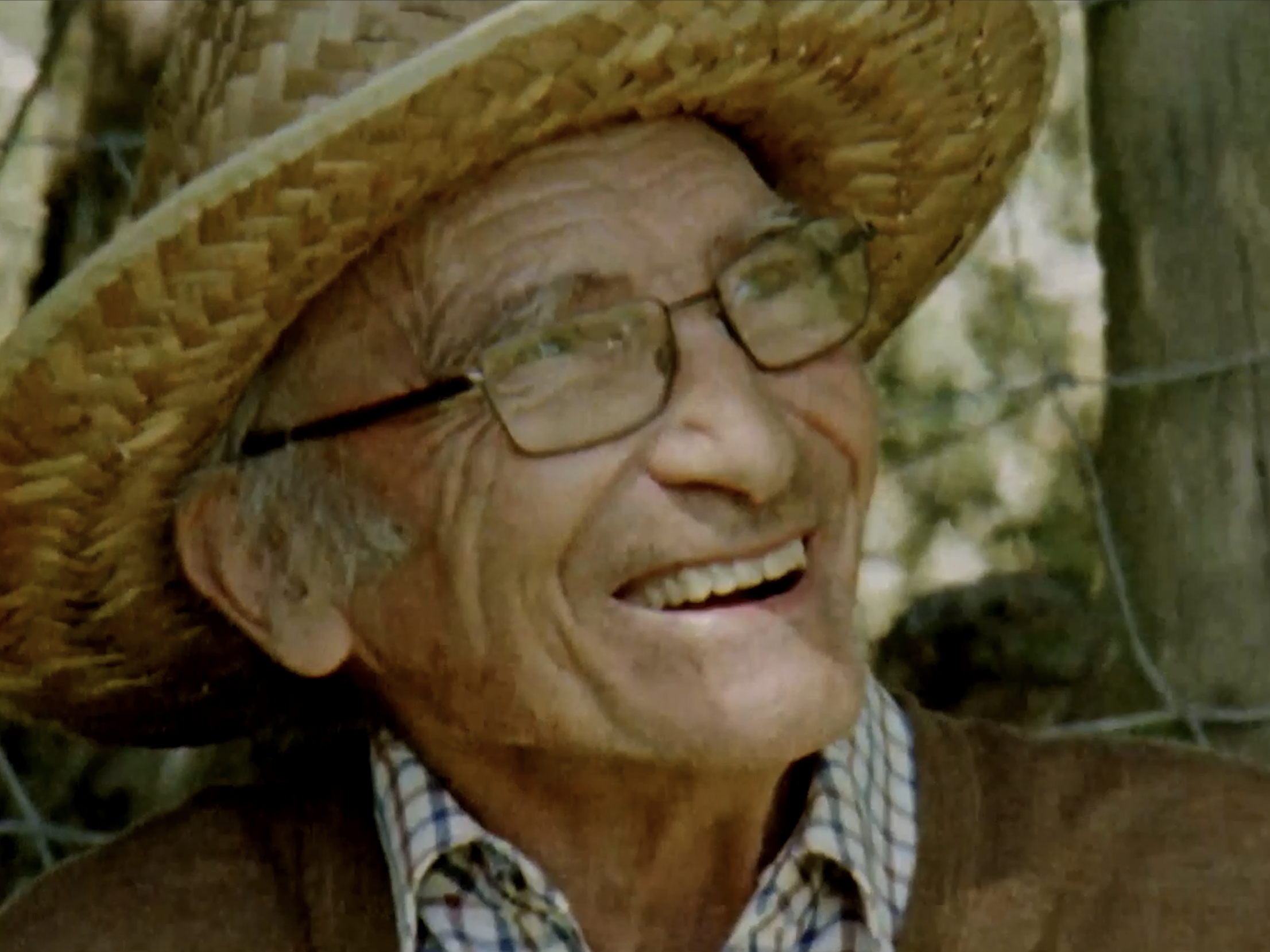
Siôn Marshall Waters, Great Britain, 2021, digital format (shot on 8 mm), 1.37, colour, 14', Slovenian video subtitles
Two elderly brothers live together on a small farm in Forest Coal Pit. This super 8 mm portrait explores the mundanity, vibrancy and intimacy of their relationship and hyperlocal world. As they feed their livestock, tend to their garden, the brothers discuss elephants in China, lobster fisherman, ghosts and each other.
The Covers Are The Eyelids
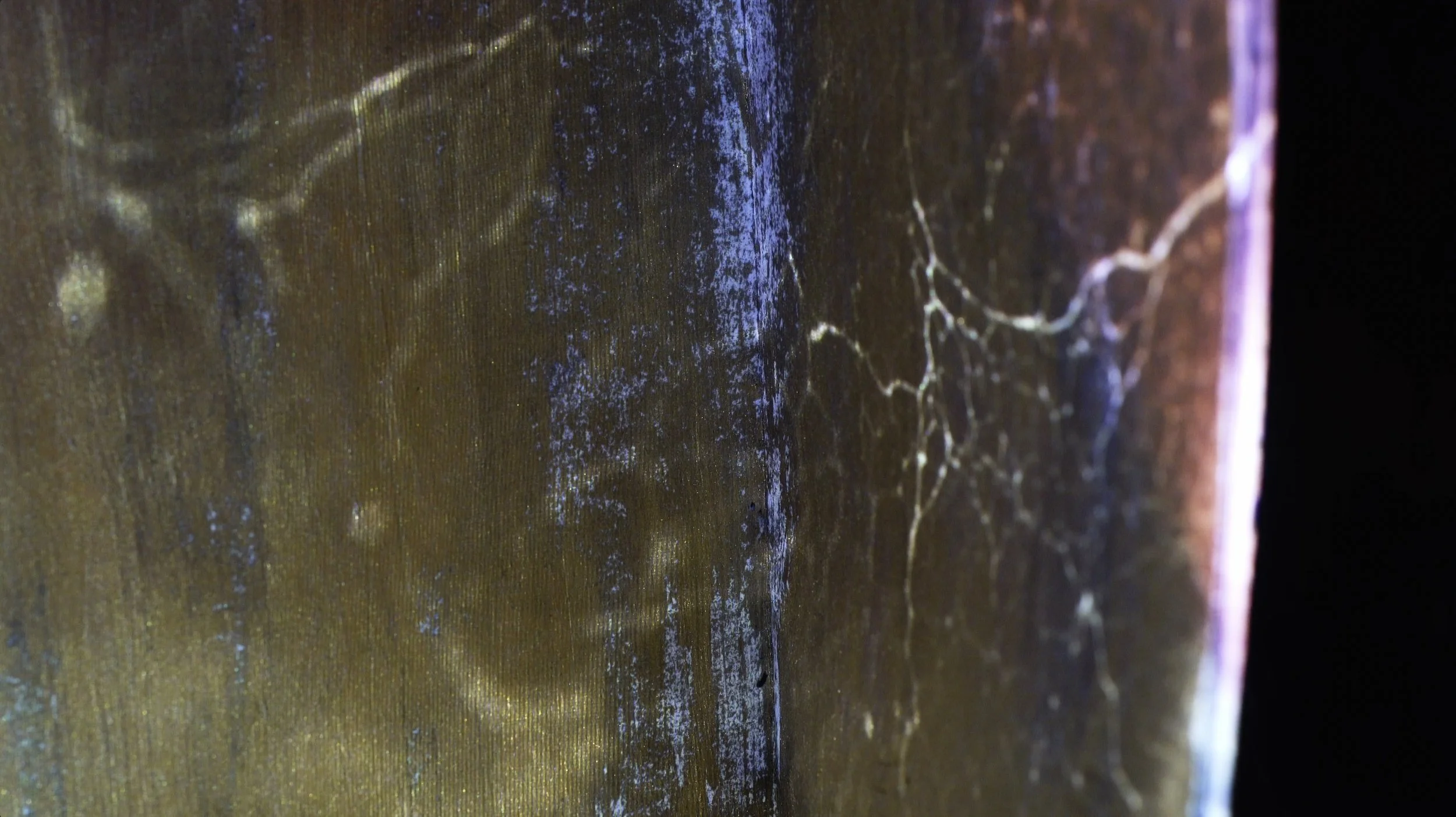
Dani Landau, Sanja Sarman, Madhuja Mukherjee, Anouk Hoogendoorn, Josh Wagner, Great Britain, 2022, digital format, colour, 6'20'', Slovenian video subtitles
The Covers Are the Eyelids was made using a method of projecting moving images onto objects and then re-filming the projections. The method of synthesis of components is made visible as the multiple layers can be seen simultaneously. This layering through a video projection method was used to combine components made by practitioners from diverse disciplines. The combination of components is a creative event that results in the frames towards the completed film. The film could be written about in many ways. This text concentrates on the layering-in because this filmmaking method produced a mode of collaborative practice.
Ripple Effect
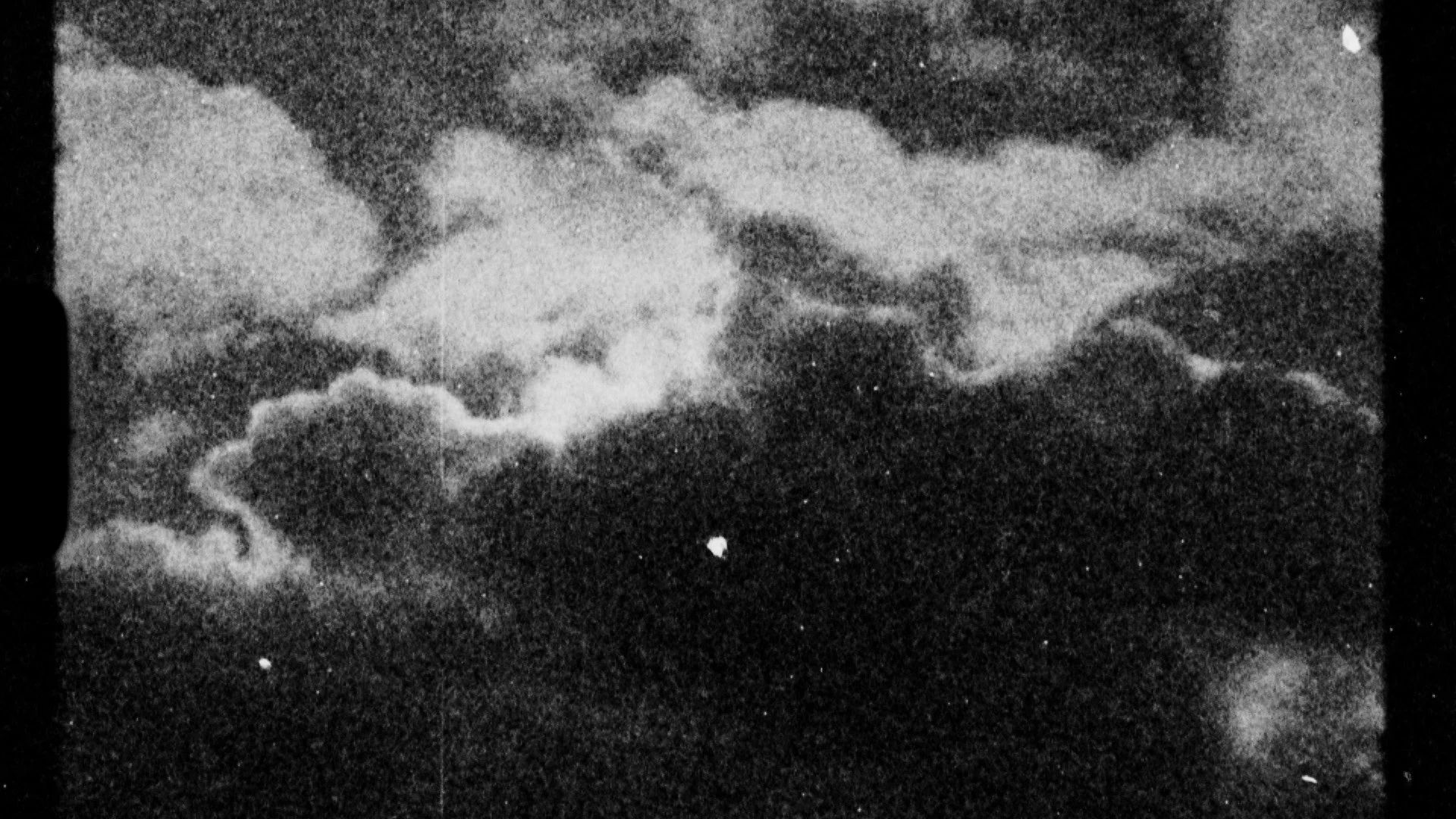
Niyaz Saghari, Great Britain, 2023, digital format (shot on S8 mm), 1.37, black&white, 9', no dialogue
The video of a young man who was executed in Iran in 2020 went viral a few days after his death. He ran in slow motion and dived in a pool. Like an act of preservation, Niyaz Sghari films the video with a Super 8 camera. The camera becomes a tool for magnifying and grieving.
The program was curated by members of the BEFF collective—Bristol Experimental Expanded Film.
ABOUT THE AUTHORS:
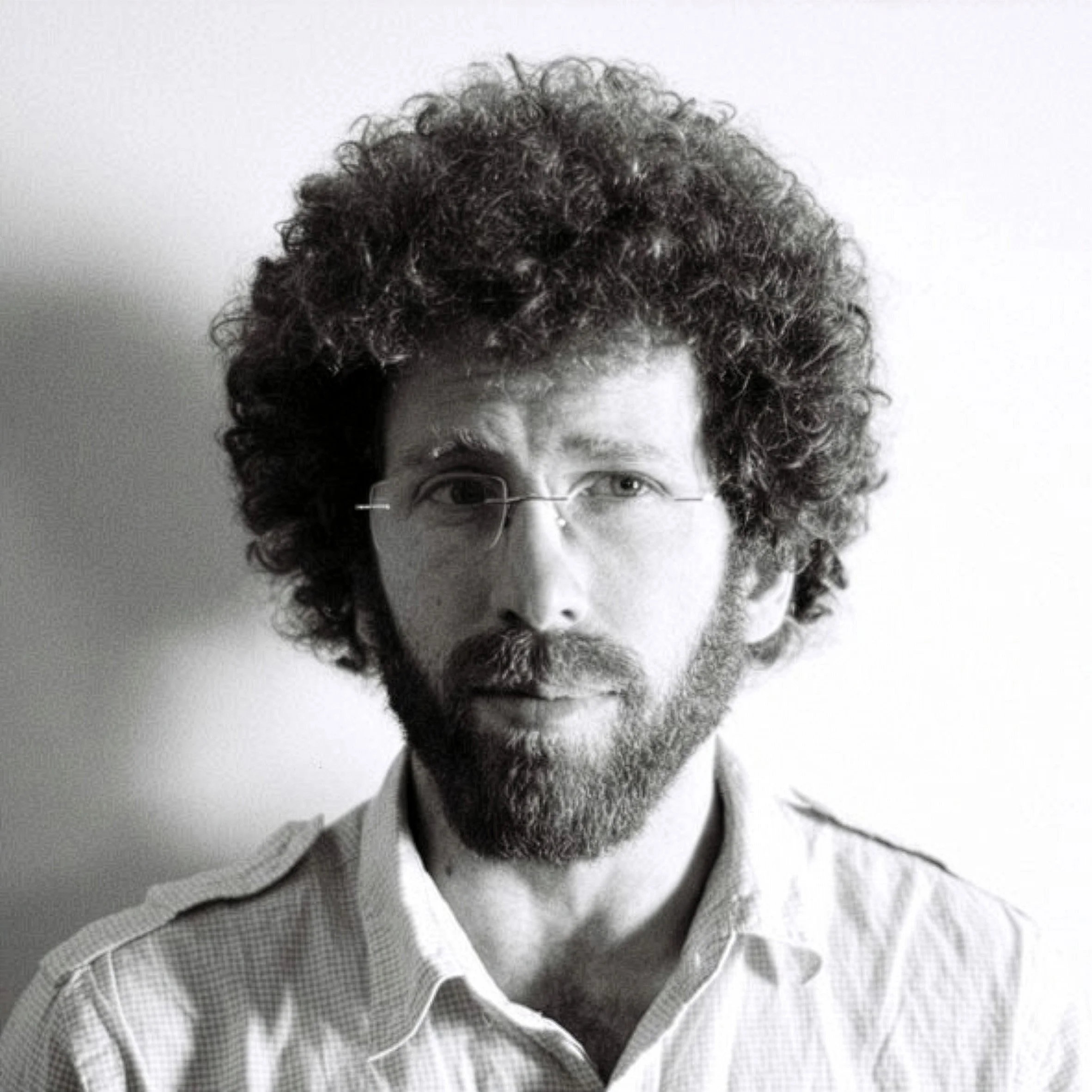
Dani Landau is a filmmaker and visual artist who specialises in participatory documentaries. He also works collaboratively on diverse film and media arts projects. Dani is part of collectives in Bristol, UK, including Bristol Expanded and Experimental Film (BEEF) and the Cube Microplex. He holds a PhD from the University of the West of England.
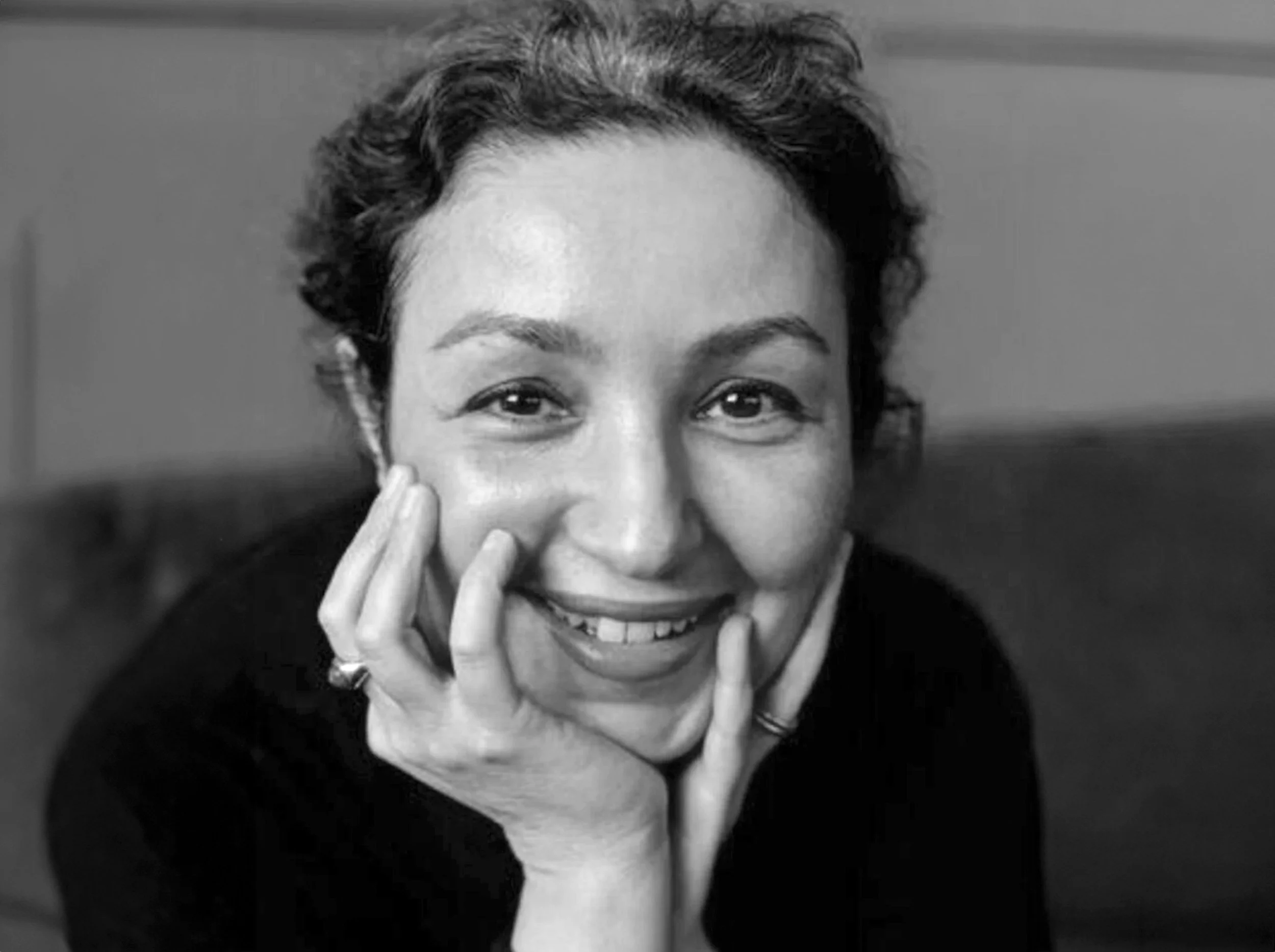
Niyaz Saghari is a UK-based Iranian filmmaker. She has been directing short experimental documentaries for the last 10 years. She studied film directing at the Art University of Tehran and earned an MA in animation from Newport University. The theme of her work is the cultural histories of her homeland and Bristol, with an emphasis on memories and mundane, day-to-day experiences that are considered insignificant. Super 8 is the medium of her choice. She runs Super 8 workshops and also works as an editor for feature documentaries. Her work has been screened in Ann Arbor and Oberhausen and at the Alchemy film festival.
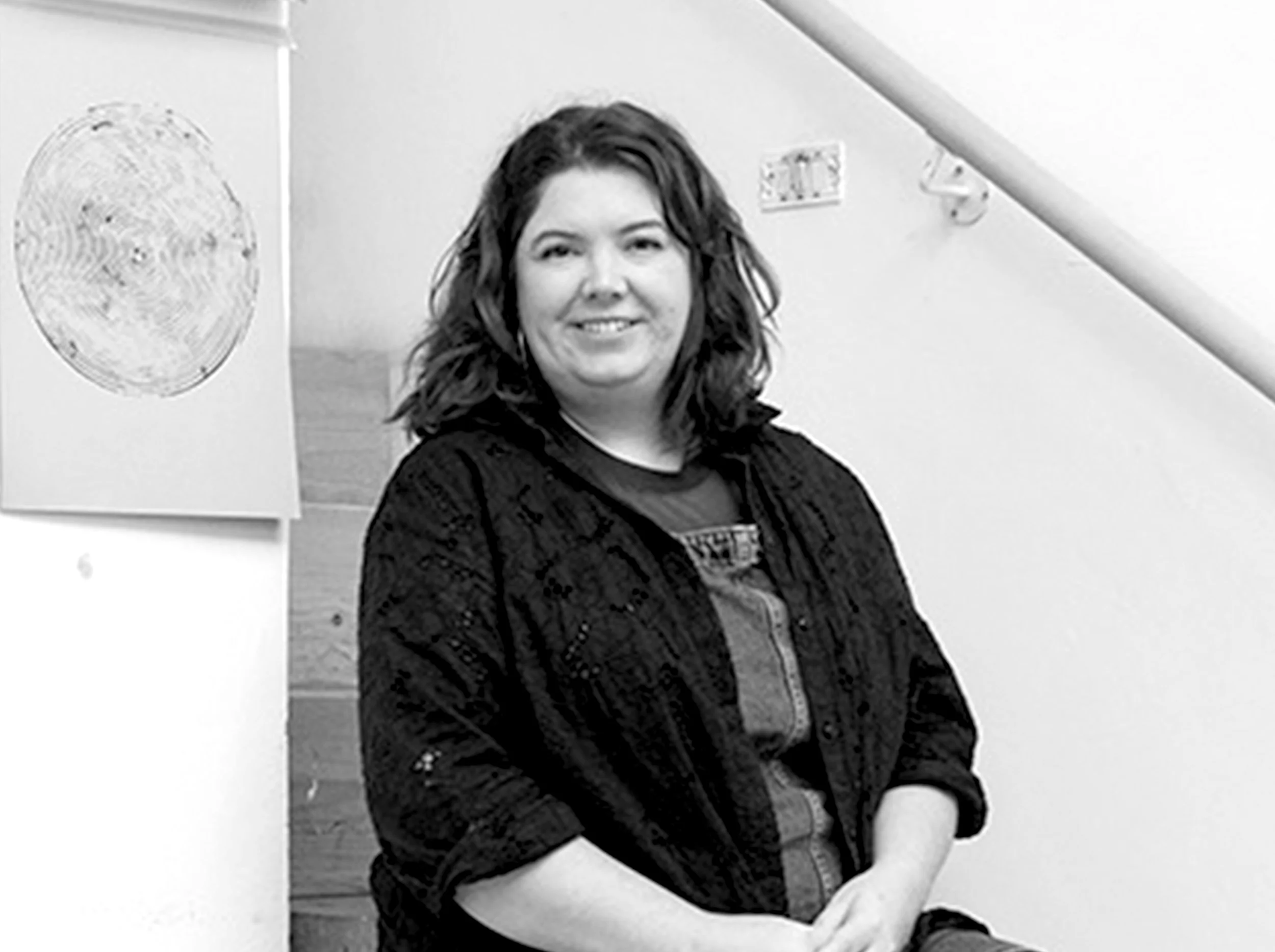
Laura Phillips (1986) is an artist working with 16mm photochemical film processes and field recordings. Her performances are described as being in-between visual music, expanded film and performance which engages with themes of obsolescence, the commons, and information infrastructures.
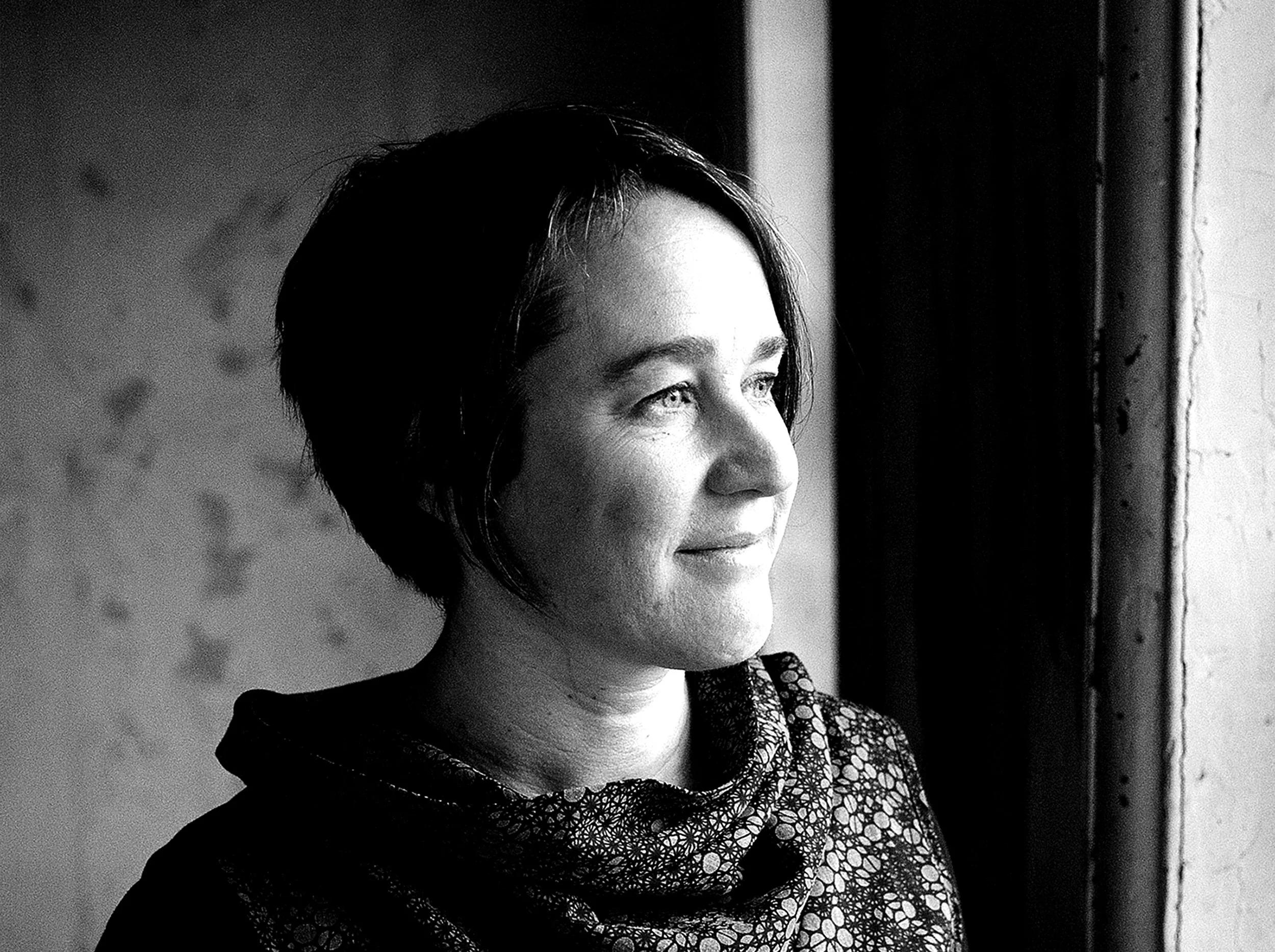
Kathy Hinde is an interdisciplinary artist who creates installations, performances and site specific experiences, aiming to nurture a deeper and more embodied connection to the more-than-human world. She received an Honorary Mention at Prix Ars Electronica, an Oram Award and an Ivor Novello Award for Sound Art.
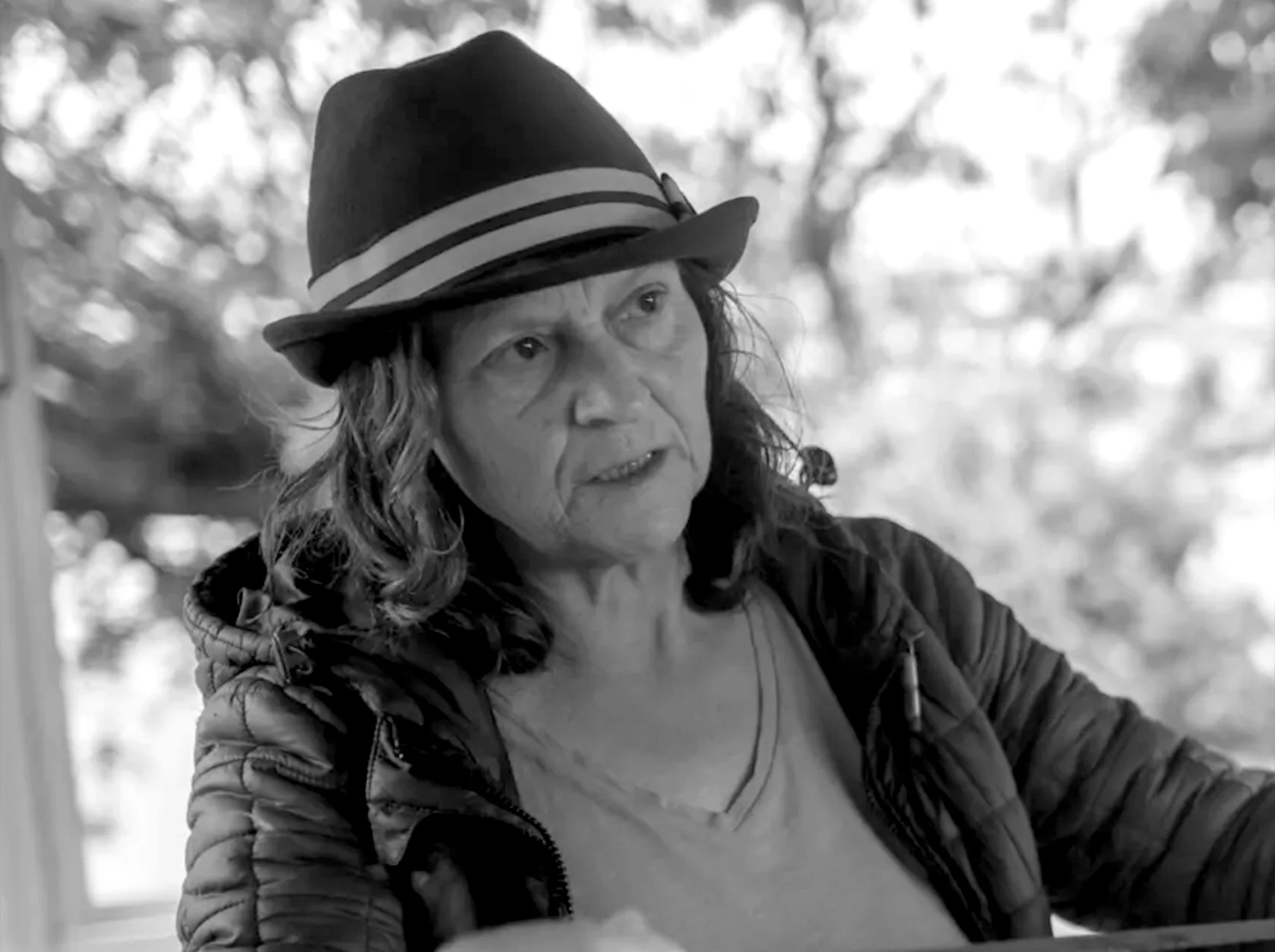
Vicky Smith’s practice in experimental animation includes imagery and traces of the body. Through direct-on-film animation, live action and performance, she activates the tension between the physical and the material to explore conditions of fragility, tenacity and resilience. Her work screens internationally in galleries and festivals (Courtisane Festival, Ghent; Rotterdam Film Festival; Fort Mason Center for Arts & Culture, San Francisco; Ann Arbor Festival, Michigan, 2025).
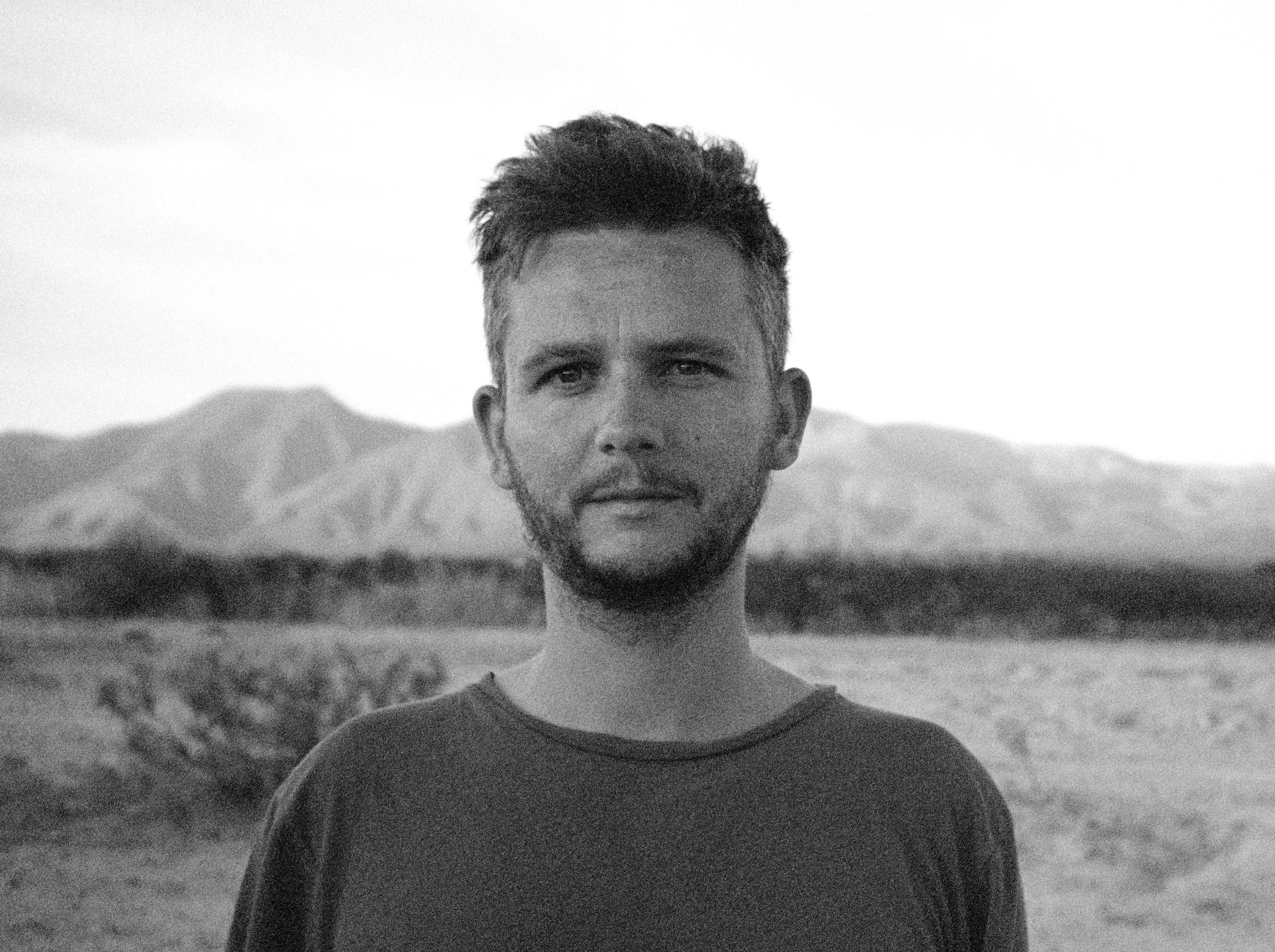
Siôn Marshall-Waters is a Welsh filmmaker based in Bristol. Having studied for an MA in visual anthropology at the University of Manchester, his work is grounded in experimental and ethnographic documentary. His short film Forest Coal Pit (2021) screened at film festivals including the BFI London Film Festival, the Edinburgh International Film Festival, Courtisane Festival and the Alchemy Film and Moving Image Festival. The film was nominated for a Grierson Award and received a special mention for the Grand Prix Documentary Short at the Cork International Film Festival. Siôn recently completed his first narrative short, Pen Mari (2025), supported by BFI Network, WePresents and produced by Bosena (Enys Men).
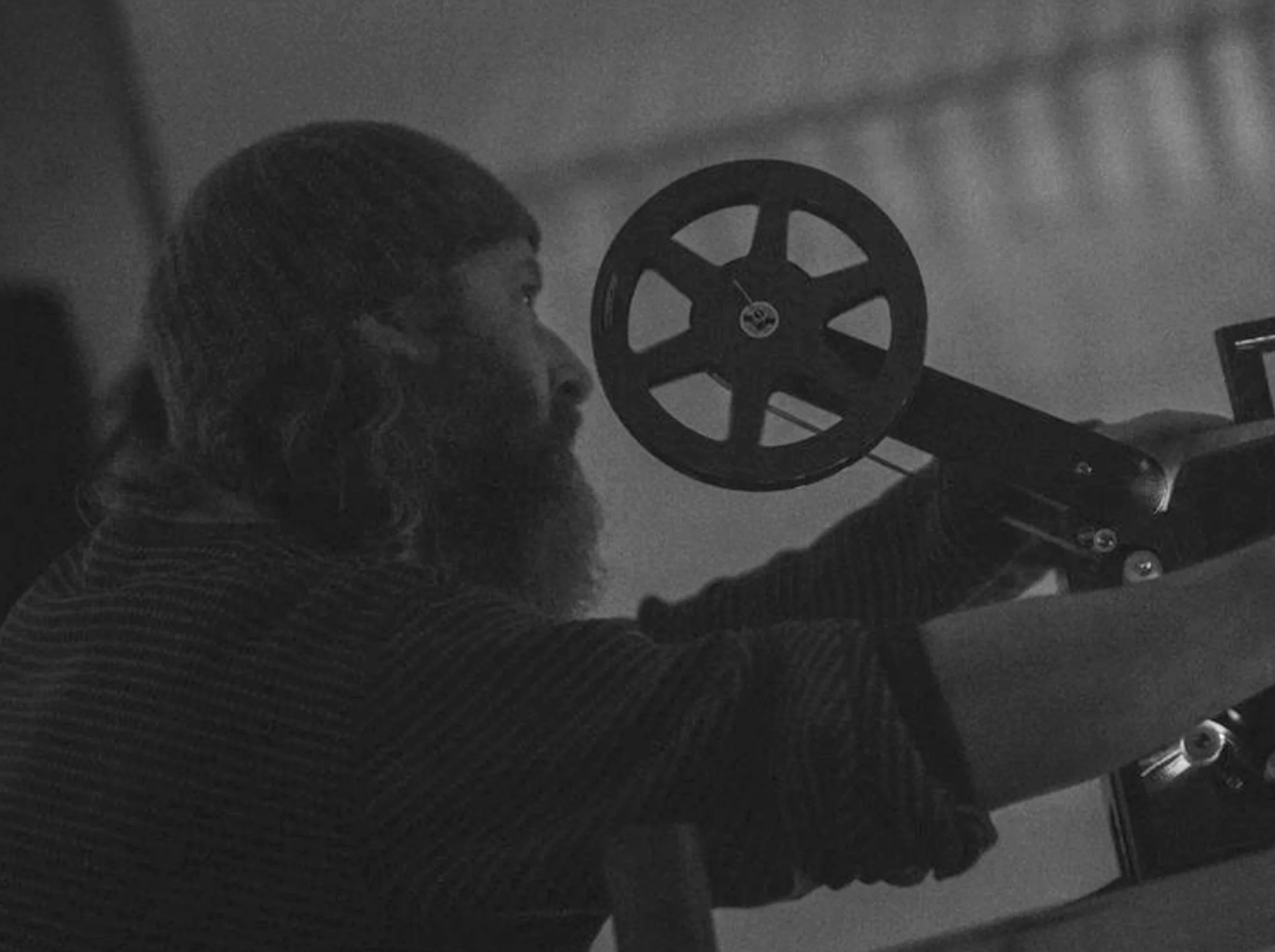
Matt Davies’ work is primarily engaged with the act of listening, live performance and the exploration of chance-based composition via the prism of expanded cinema. Using DIY microphones, magnetic tape, abstract turntablism, micro sounds, modified projectors and hand-processed film loops, he brings the moment and material of projection to the fore. Past projects include By the Mark, the Deep, field recordings from the submerged town of Dunwich, with Milo Newman and Brunswick Light Ray Process, a research project using light to record sound. He is currently observing agitated bodies of water and experimenting with optical sound pendulums.
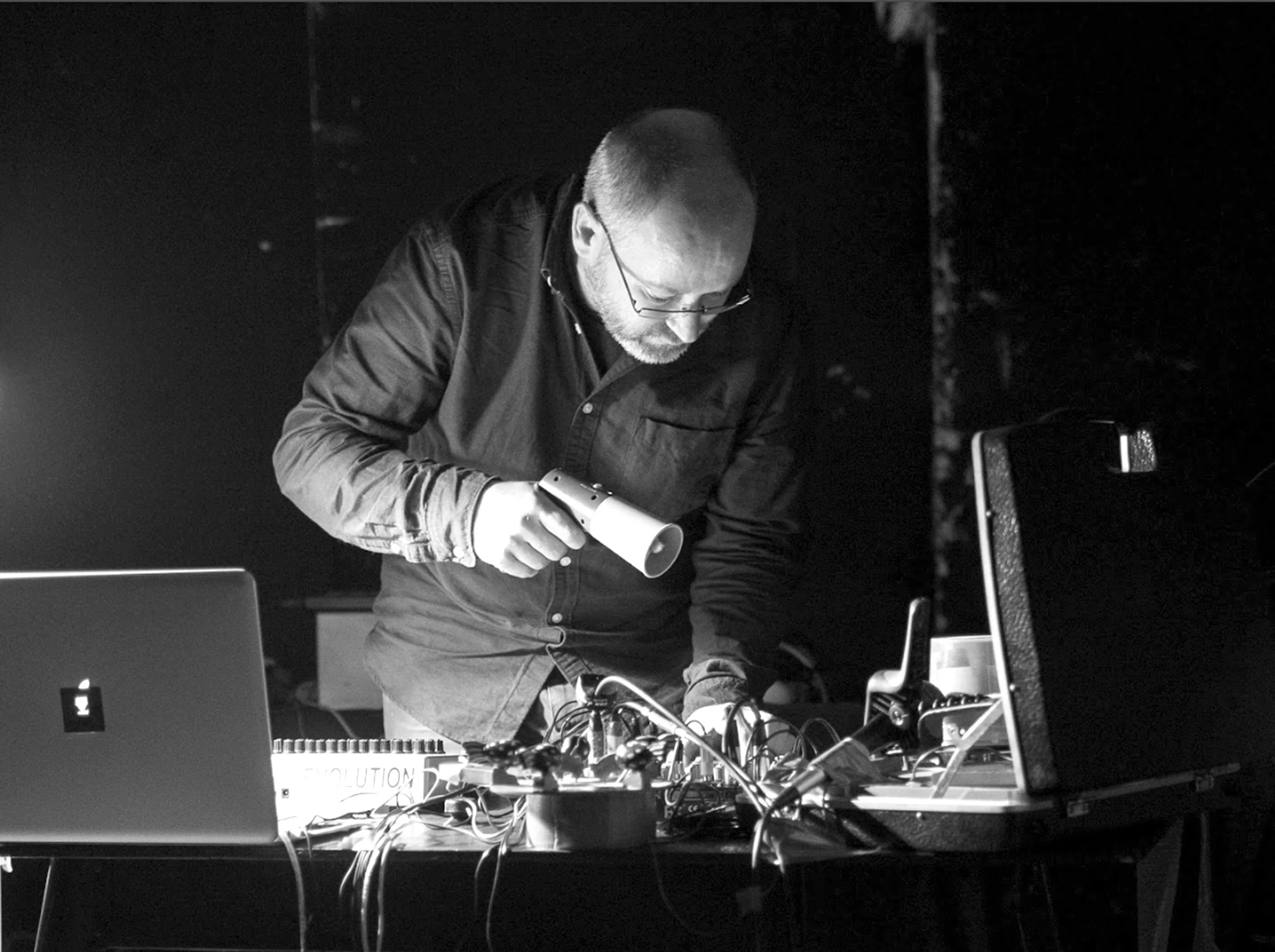
Mark Vernon is a sound and radio artist whose practice is focused upon concepts of audio archaeology, magnetic memory and nostalgia. Operating on the fringes of sound art, music and broadcasting, his work's main concerns are with field recording, the manipulation of environmental sounds and the power of the disembodied voice. A keen advocate of radio as an art form, he also co-runs and curates Glasgow’s art radio station, Radiophrenia. His solo and collaborative music projects have been published through labels including Kye, Staalplaat, Flaming Pines, Ultra Eczema, Entr’acte, 3Leaves, Misanthropic Agenda and Canti Magnetici.
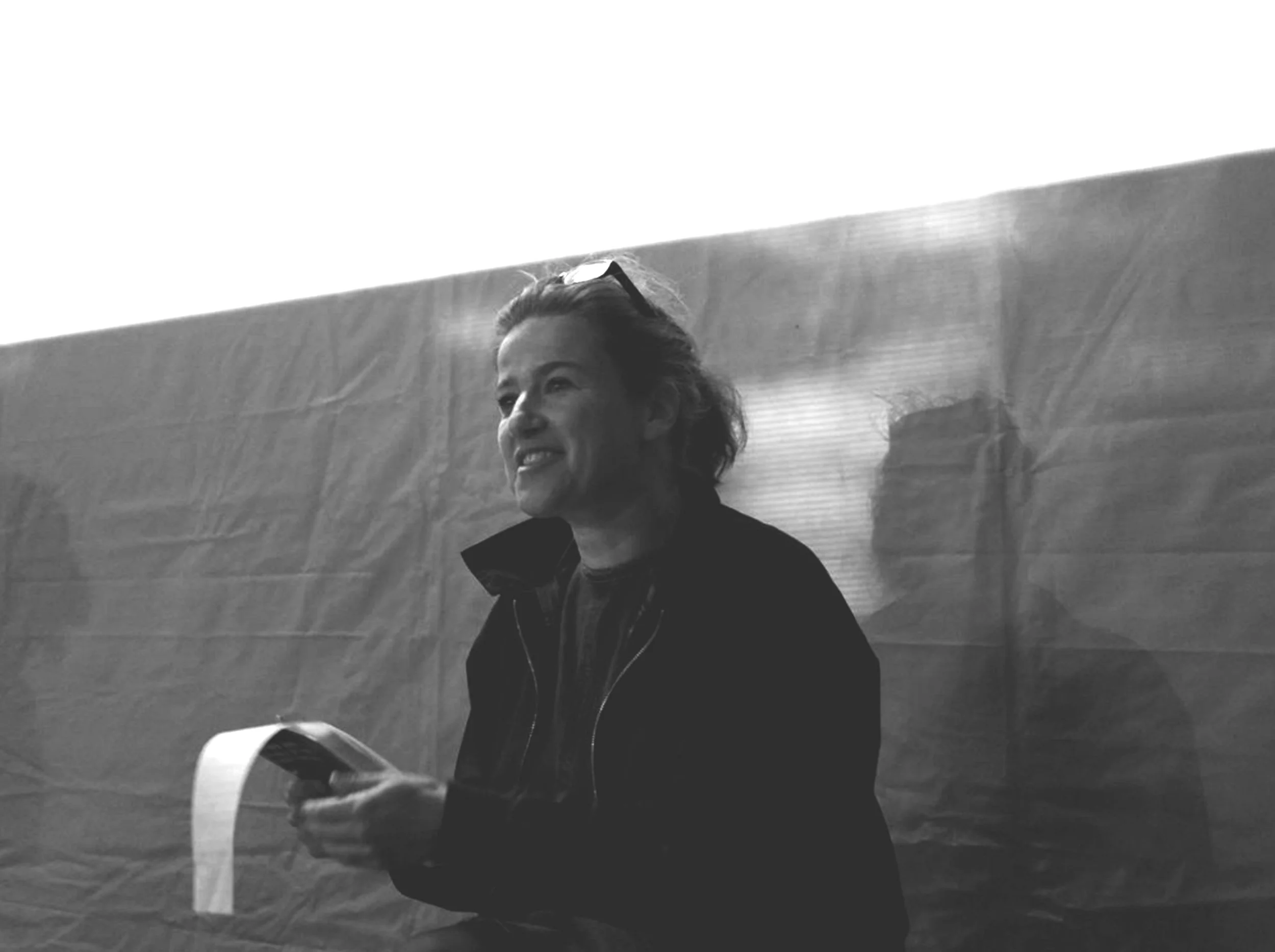
Louisa Fairclough is a filmmaker and artist. Over the last decade she has made a body of work in response to her deceased sister Hetta Fairclough’s sketchbooks, from expanded 16mm choral film installations to performances with choristers.