
MIRANDA PENNELL //
MIRANDA PENNELL //
The practices of artist filmmaker Miranda Pennell are embedded in different forms of critical archival practice. She has produced a body of award-winning film and video work that explores forms of collective performance, whether dancers, soldiers or musicians. Her most recent moving-image works use colonial archives as the starting point for investigations into the colonial imaginary. Pennell’s focus rests on the history of British aerial bombing in the Middle East and traverses a series of different archives. In Trouble (2023) she looks specifically to RAF air survey photographs of Iraq, Transjordan and Egypt in 1928. These military images were contemporaneously formed into a collection by the British archaeologist Osbert Crawford. Miranda Pennell’s research is like a detective investigation, searching for the clues that have been unwillingly left behind by the very same butchers who have been praised by History as civilizers. In these images of ruins illustrating the imperialist enterprise of knowledge and control, Pennell discovers the scars hidden by the archives; like so many unhealed wounds through which repressed History surges back to challenge the official narrative. Through these cracks, the victims of British (and European) colonisation rise from the dead to seek revenge; forever invisible, they manifest themselves through the sound of 1950’s and 1960’s horror films. By mixing the essay form with genre films, Pennell creates a horror story that is terribly real. The film forces us to stare into the darkness of History and to hold the gaze it reflects back. Her video essay Strange Object (2020) takes, in her words, “aerial photographs of an undisclosed colonised territory as the starting point for a meditation on images, erasure and the writing of history”. In her longest film to date, The Host (2016), while investigating her late parents’ involvement with the Anglo-Iranian Oil Company (now BP), the filmmaker comes across the letters of a petroleum geologist in Iran in the 1930s, who would later embark on a search for the origins of ‘civilisation’. The film sets out on its own exploration, to decipher signs from the fragmented images buried in the BP archive. This journey through images of the past interweaves stories drawn from both personal memory and from the records of an imperial history, and gradually builds a picture of a 20th century colonial encounter.
Strange Object
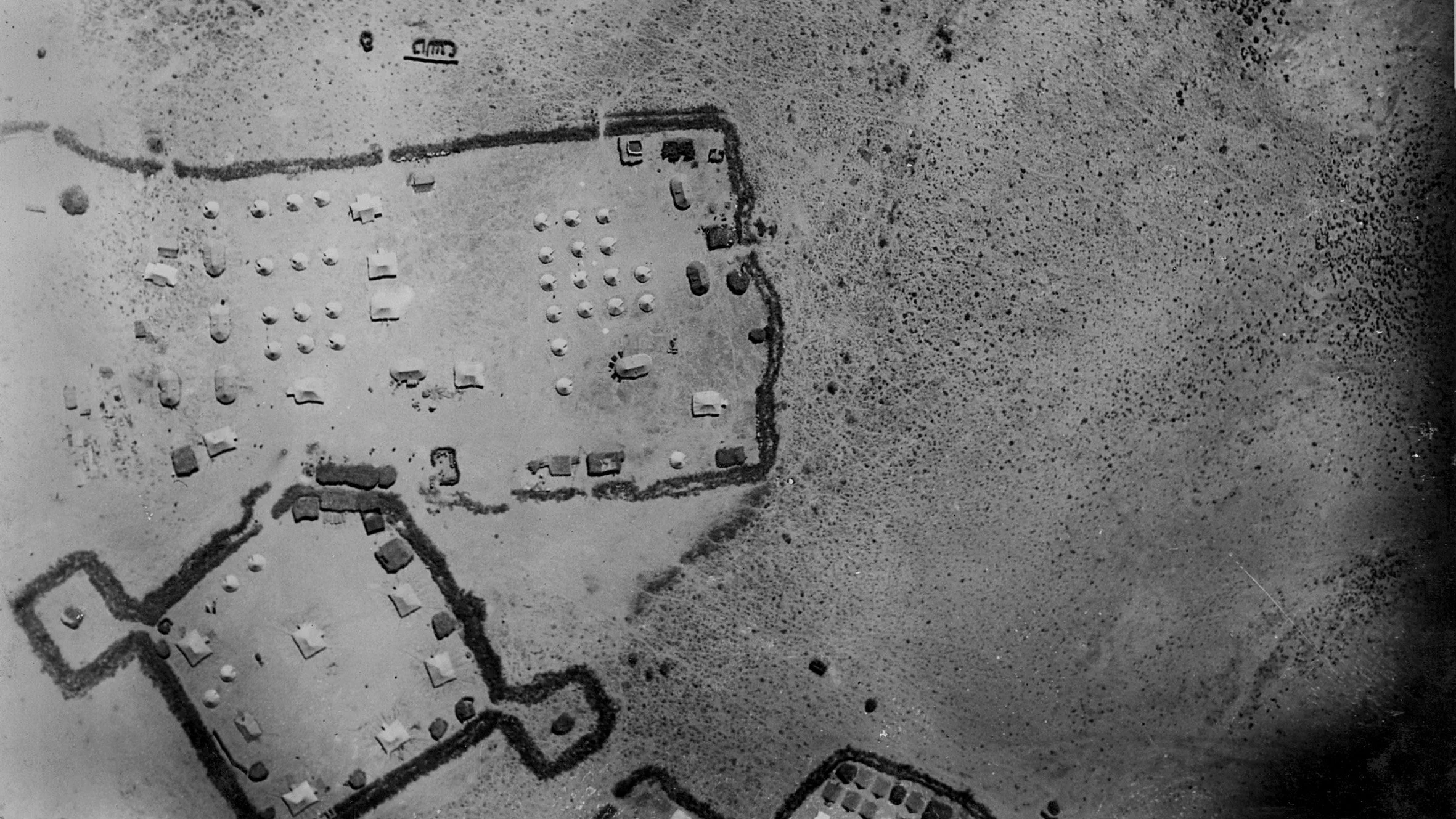
Miranda Pennell, Great Britain, 2020, digital format, black&white, 15', Slovenian video subtitles
The Z Unit’s operation in a world far from our own was an experiment of sorts, a test. And this place, inhabited by beings different from ourselves, served as a laboratory. A successful outcome would secure the Z Unit’s future, enabling its enterprise to expand and its methods to be applied to other worlds. An investigation into imperial image-making, and destruction. Strange Object takes aerial photographs of an undisclosed colonised territory as the starting point for a meditation on images, erasure and the writing of history.
The Host
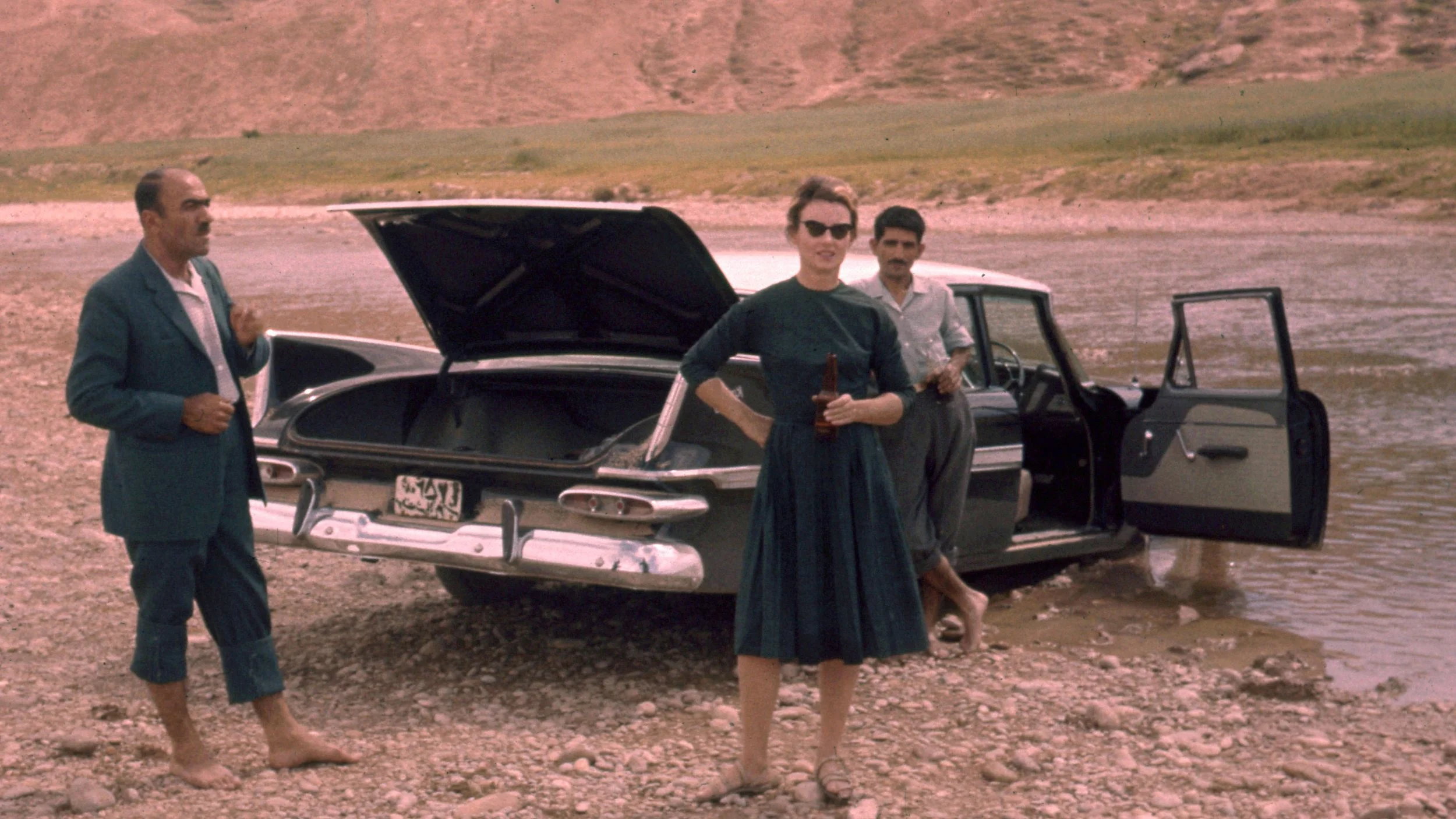
Miranda Pennell, Great Britain, 2016, digitalni format, black&white/colour, 60', Slovenian video subtitles
A filmmaker turns forensic detective as she pieces together hundreds of photographs photographs in search of what she believes to be a buried history, only to find herself inside the story she is researching. The Host investigates the activities of British Petroleum (BP) in Iran; a tale of power, imperial hubris and catastrophe. While the tectonic plates of geopolitical conspiracy shift in the background, the film asks us to look, and look again, at images produced by the oil company and personal photos taken by its British staff in Iran– including the filmmaker’s parents– not for what they show, but for what they betray. The Host is about the stories we tell about ourselves and others, the facts and fictions we live by – and their consequences.
Man number 4
Miranda Pennell, Great Britain, 2024, DCP, colour, 10', Slovenian video subtitles
Gaza, December 2023. A confrontation with a disturbing photograph on social media triggers questions about what it means to be an onlooker.
Screening in the presence of the author.
ABOUT THE AUTHOR:
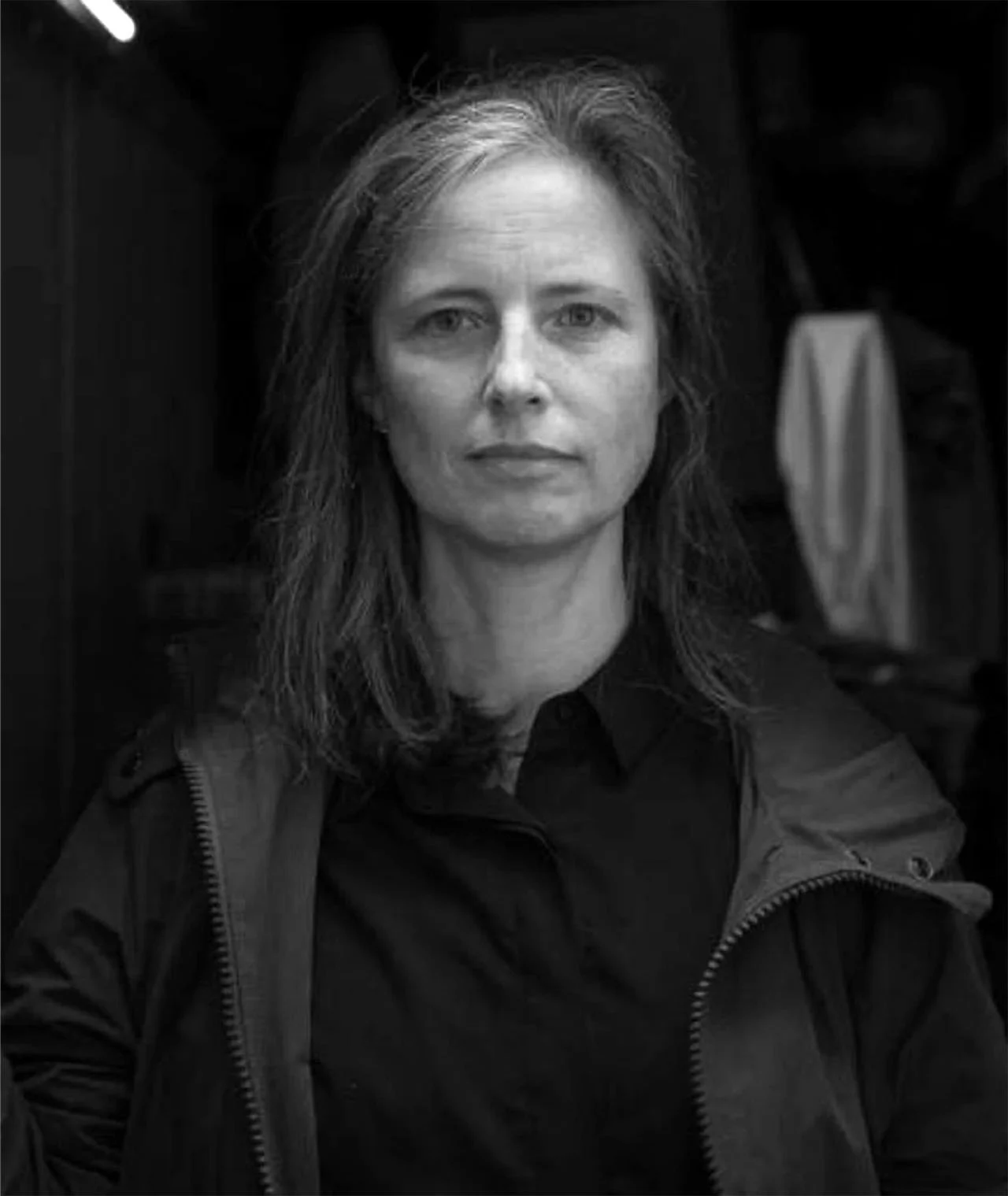
Miranda Pennell (1963) is an artist and filmmaker based in London. Her recent and current work uses photographic archives as the starting point for a reflection on colonial legacies.
She originally trained in contemporary dance, and her award-winning videos exploring choreography in everyday life have been widely screened and broadcast internationally. Pennell later received an MA in visual anthropology from Goldsmiths College, University of London, in 2010, and went on to undertake practice-led PhD research on approaches to activating images from imperial archives, completed in 2016. Pennell teaches moving image and performance practices; she sometimes writes and curates; and as an activist she organises around the politics of anti-racism, internationalism and human rights.