
CANON //
CANON //
Programme selected by visiting curators from European film archives and film festivals.
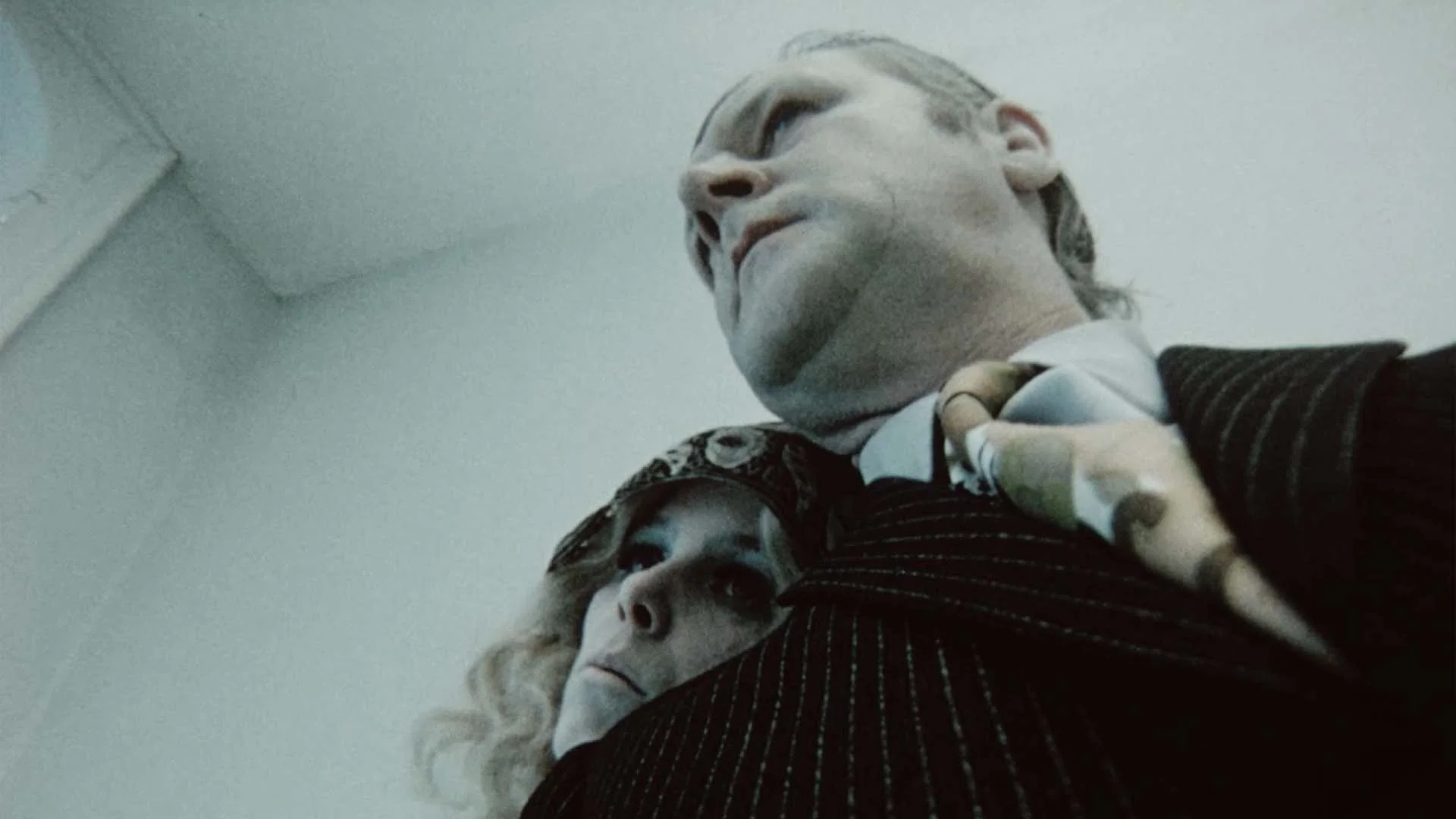
Living
Frans Zwartjes, Netherlands, 1971, 16 mm, colour, 15', no dialogue
Living is part of the series Home, Sweet Home that Frans Zwartjes made between 1969 and 1971. Zwartjes had just moved to The Hague from Heeze in Brabant, and with this five-part series he made a group of films about the still-empty rooms in his new home. In Living, the hallways and the living room are filmed. Zwartjes walks through the house together with his wife Trix. In his hand, he holds a camera with a wide-angle lens (5.7 cm) that he uses to film the rooms, himself, and his wife. Already editing with the camera, and without looking through the viewfinder (meaning that he could not see what he was filming), Zwartjes gives a virtuoso example of his abilities.
He seems to dominate his wife with the camera. But because of the grace with which she responds to the voyeuristic gaze of the camera, she comes across as an independent, vital and strong person. Zwartjes, made up in white, keeps wiping his mouth with a handkerchief, suggesting vulnerability and disease.
Film was selected by Stofell Debuysere (Courtisane).
Passages
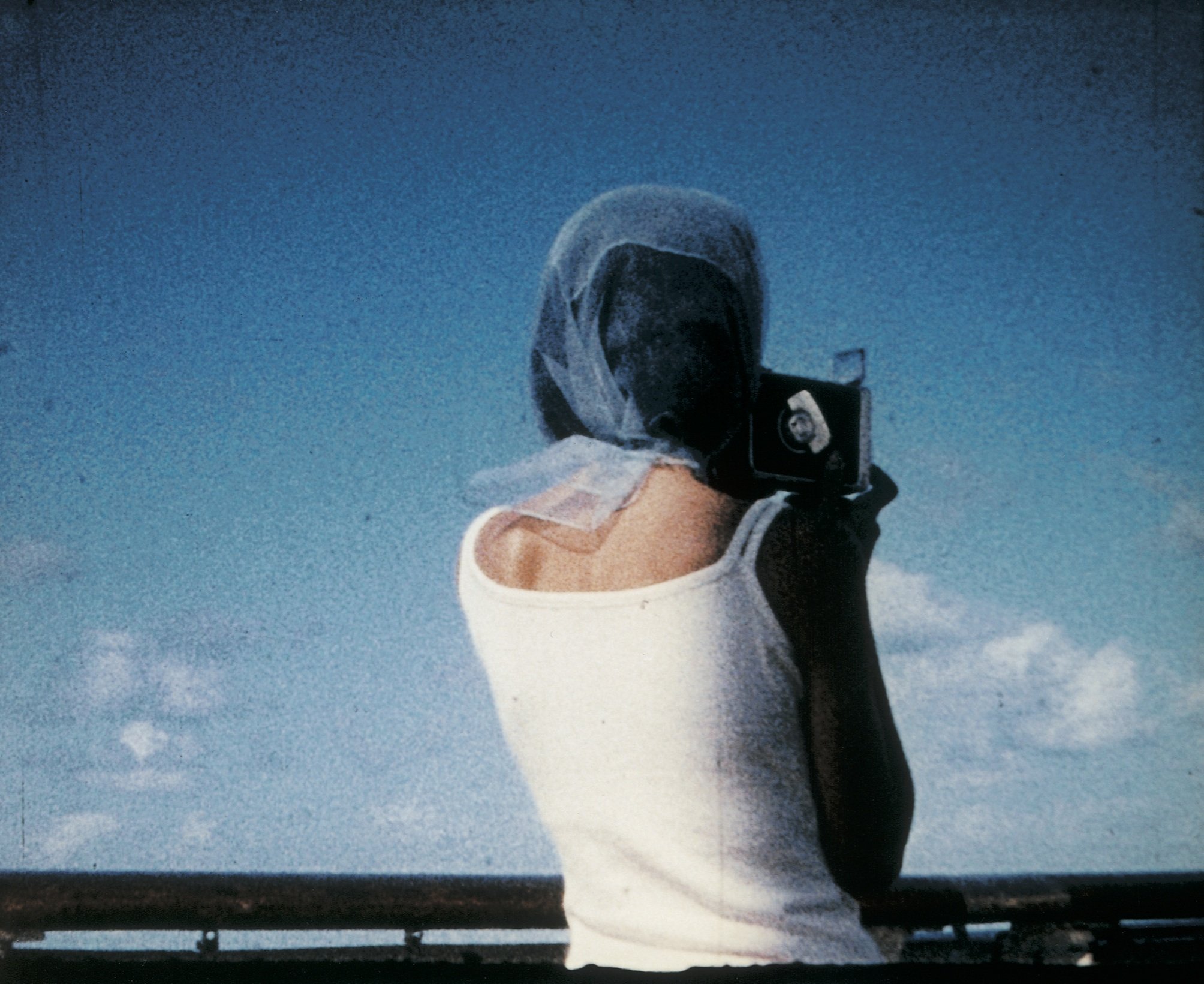
Lisl Ponger, Austria, 1996, 35 mm, 1.37, colour, 12', English subtitles, Slovenian video subtitles
A woman stands alone at the railing of a passenger liner and gazes into the blue. She will remember for us an arrival in New York, the walk of a young couple through China-town, the house boats in Shanghai and the excited children who gather round the visitor with the obscure picture machine. Beneath the pictures the sounds of distant lands can be heard and, in parallel, a montage of various memories and people unfolds. People who at some time either left or arrived in Vienna involuntarily. “Lisl Ponger creates an imaginary map of the twentieth century on which the stories of emigration are engraved like well-worn tracks of occidental memory.” - Christa Blümlinger
Film was selected by Gerald Weber (sixpackfilm).
American Dream
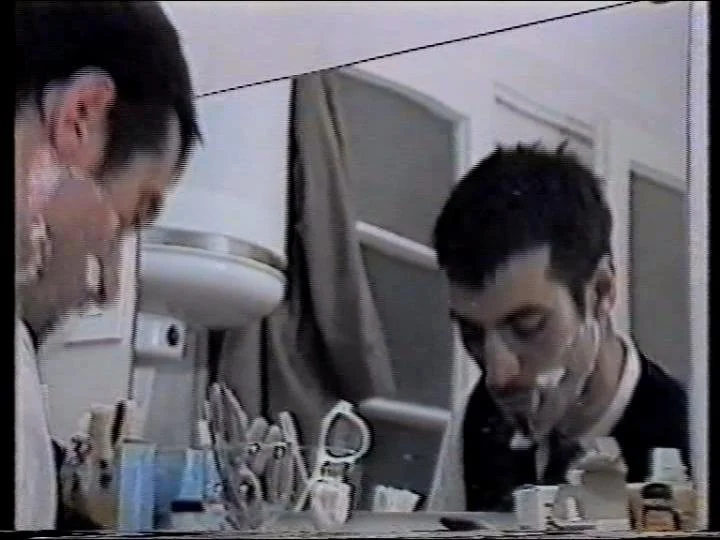
Marko A. Kovačič, Slovenia (Yugoslavija), 1986, digital format (shot on u-matic), colour, 6'45'', no dialogue
An ambivalent disintegration of fantasies about the promised land and faith in art, which unfolds in a stereotypical game of constant hide-and-seek. The film depicts a dialectical confrontation of a peculiar heroism of the regime, which operated through prohibitions and its remoteness from the people, with the announcement of moving closer to the Western systems of liberal capitalism.
Film was selected by V-F-X Ljubljana festival team.
Solidarity
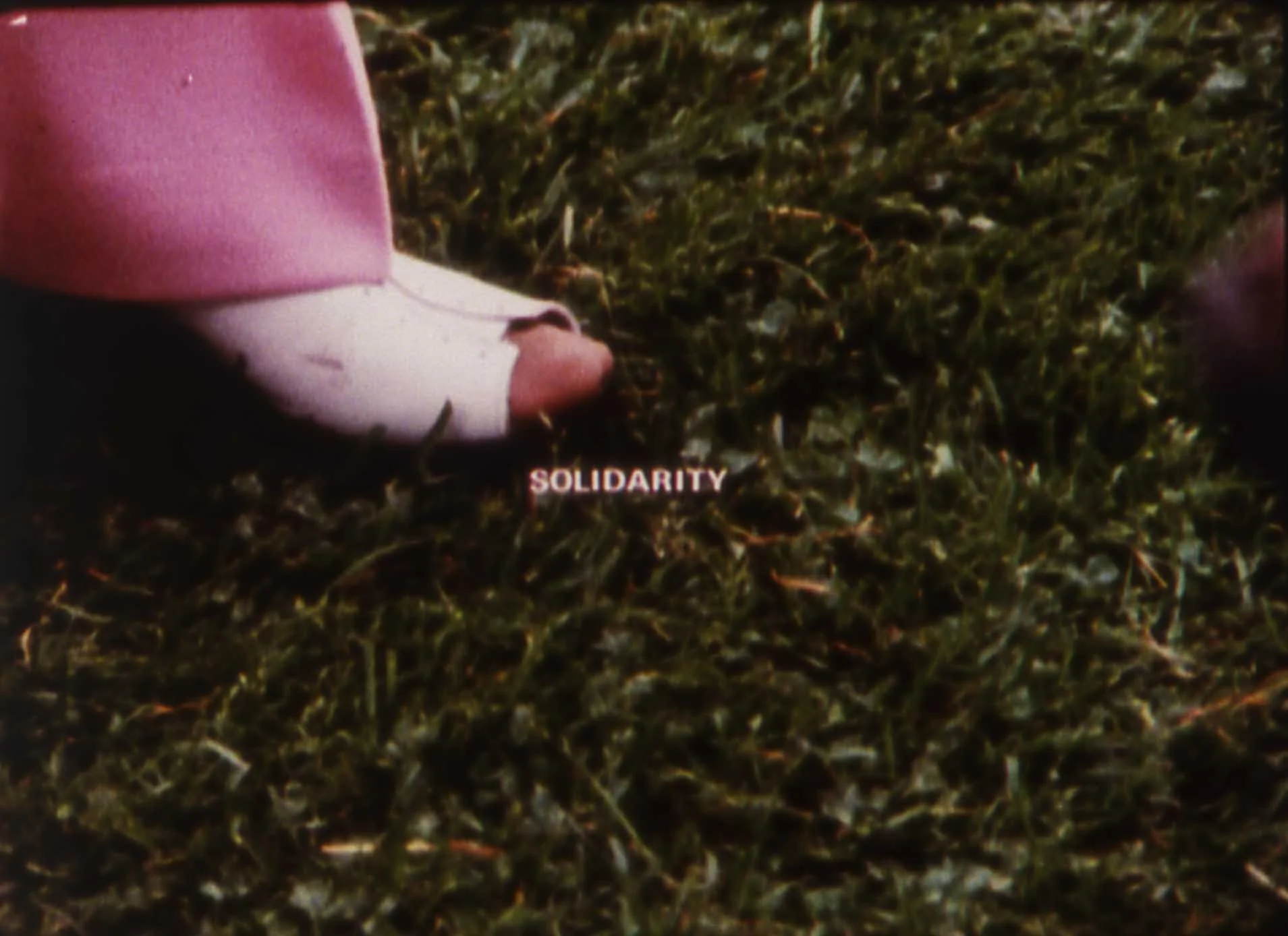
Joyce Wieland, Kanada, 1973, 16 mm, colour, 10'40'', English subtitles, Slovenian video subtitles
A film on the Dare strike of the early 1970s. Hundreds of feet and legs, milling, marching and picketing with the word Solidarity superimposed on the screen. Part of the soundtrack is an organizer's speech on the labour situation. Like her films Rat Life and Diet in North America (1968), Pierre Vallieres (1972) and Reason Over Passion (1969), Solidarity combines a political awareness, an aesthetic viewpoint and a sense of humour unique in Wieland's work.
Film was selected by Tena Trstenjak (25 FPS Experimental Film and Video Festival).
Reservation
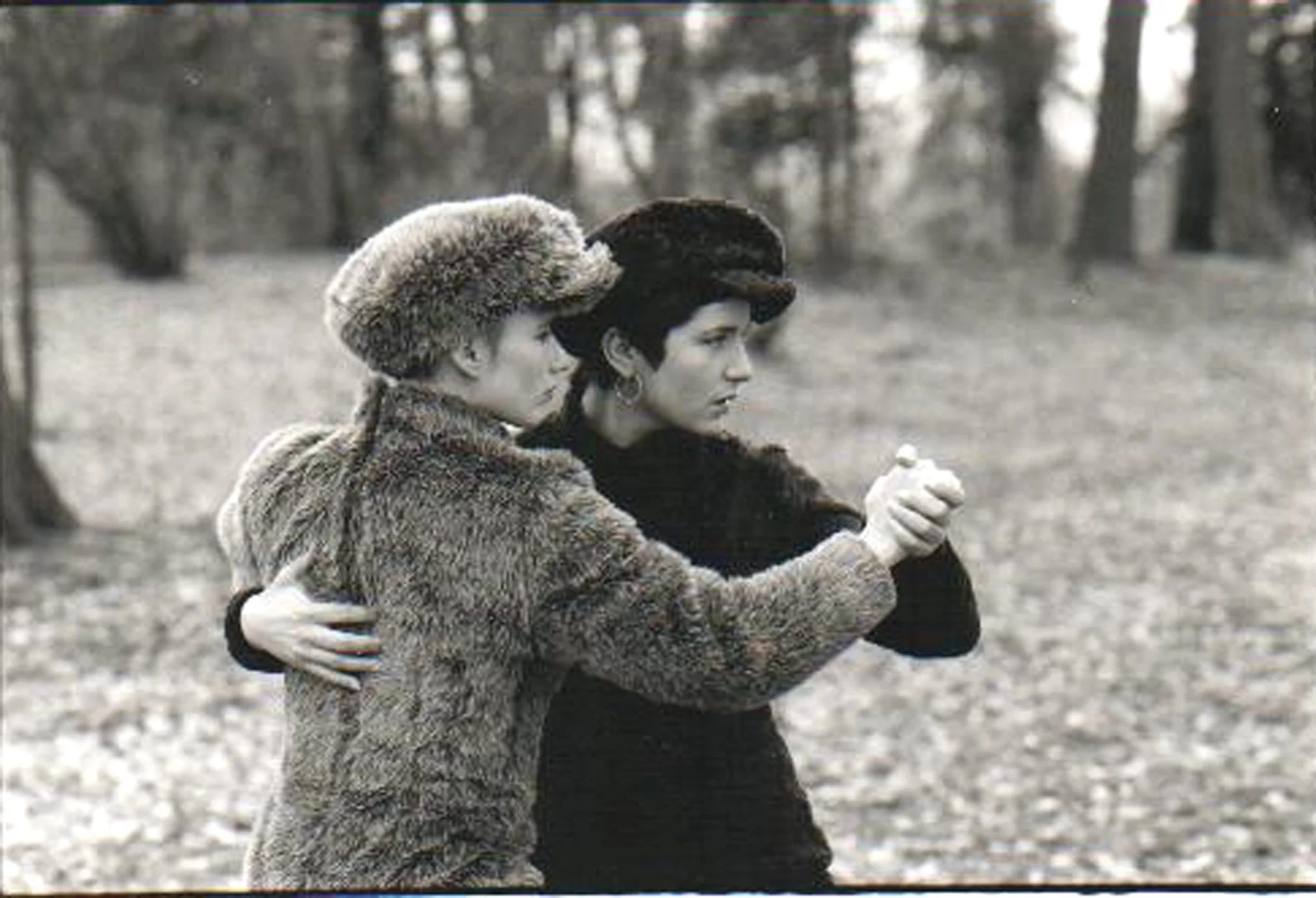
Clara van Gool, Netherlands, 1988, 35 mm, black&white, 8'30'', no dialogue
A duet by two young women in a desolate park. Reservaat was Clara van Gool’s first film on leaving the Dutch Film Academy in 1985.
Film was selected by Edith van der Heijde (EYE Filmmuseum).
Skiing Scenes With Franz Klammer
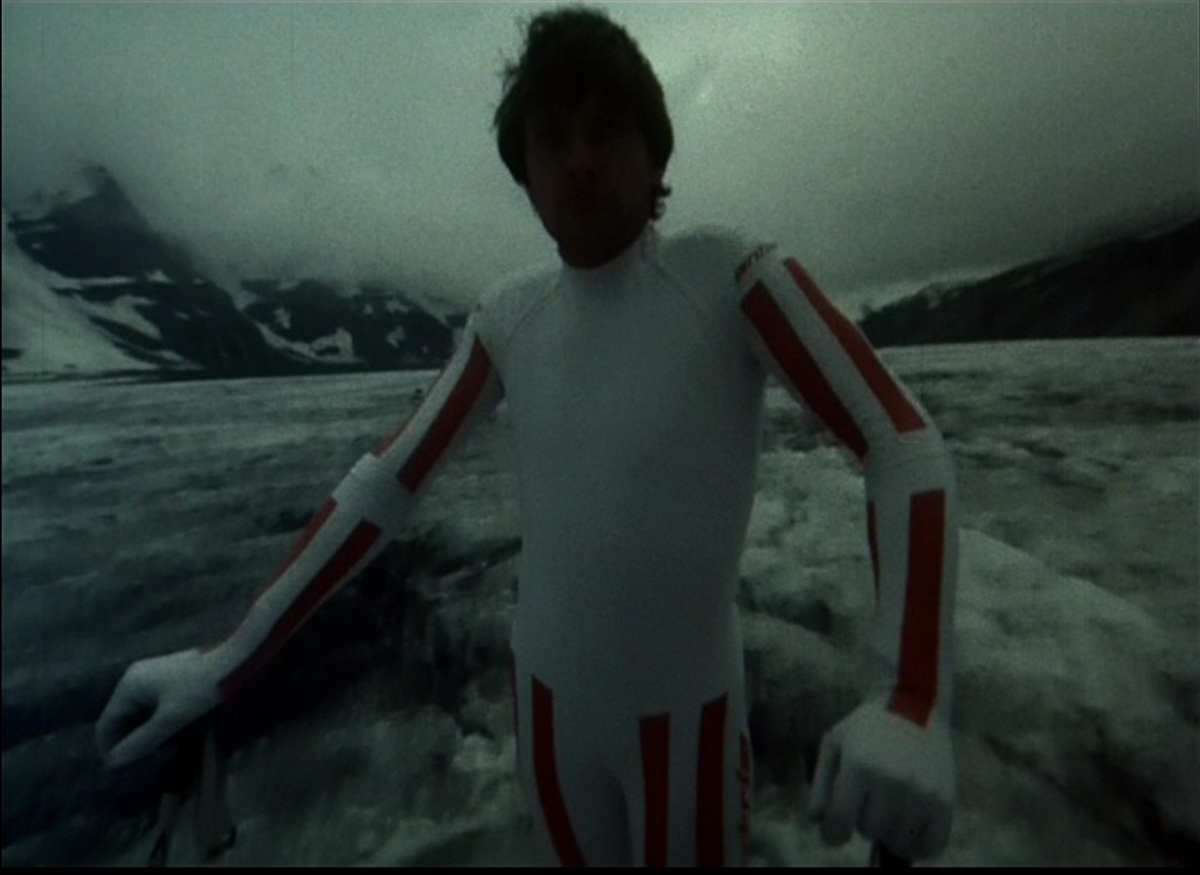
Bogdan Dziworski, Zbigniew Rybczyński, Gerald Kargl, Poland/Austria, 1980, 35 mm, colour, 21', no dialogue
To create this masterpiece, both exceptional courage and ingenuity were re-quired. Bogdan Dziworski and Zbigniew Rybczyński were waiting for a plane to Austria when they received a message that Franz Klammer, an icon of Alpine skiing, broke his leg. They immediately decided to travel to the location and start shooting without any scenario. An element of their experimental collaboration found its way to the film as in one of the scenes Rybczyński is shooting Klammer using various camera takes.
Film was selected by Ivan Ramljak (Rotterdam Film Festival)
ABOUT THE AUTHORS:
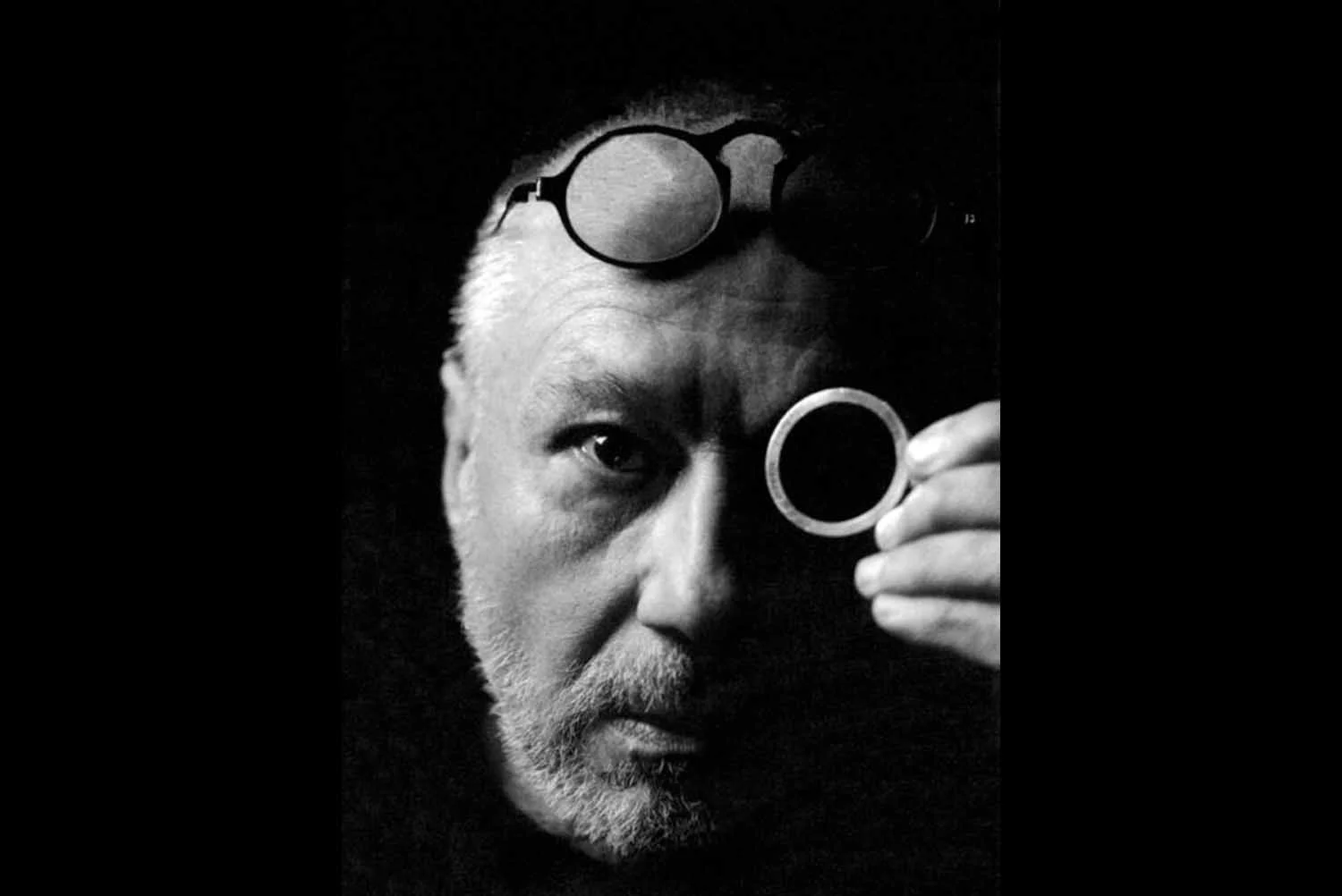
Bogdan Dziworski (1941) is a documentary film director, cinematographer, photographer and university teacher born in 1941 in Lodz. He is a graduate of Lodz Film School (1965). He was ordinary Professor of Film and Photography and the Dean of the Radio and Television Department of the University of Silesia in Katowice. He has received a number of prestigious awards for his excellent documentary films, which focus primarily on arts or sports and include Krzyz i Topor (1971), Hokej (1976), Olimpiada (1974) and Kilka opowiesci o czlowieku (1983), at festivals in Bilbao, Brussels, Leipzig, Marseilles, Oberhausen, San Sebastian and Krakow, among others.
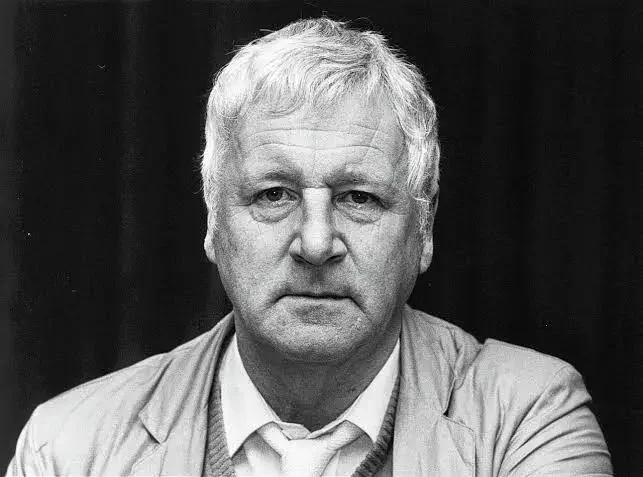
Frans Zwartjes (1927–2017) had worked as a musician, violin maker, nurse and teacher at the Academy for Industrial Design Eindhoven before he began to profile himself as a filmmaker in the late 1960s. From his first films, his signature style has been visible. In his own raw and intuitive way, he captured his themes on film: sexuality, power and oppression. The films quickly earned him international recognition and a number of prestigious awards. Zwartjes also became known as a teacher of a generation of experimental filmmakers in Eindhoven, The Hague – he gave long film workshops at the Free Academy – and at Amsterdam's Rietveld Academy.
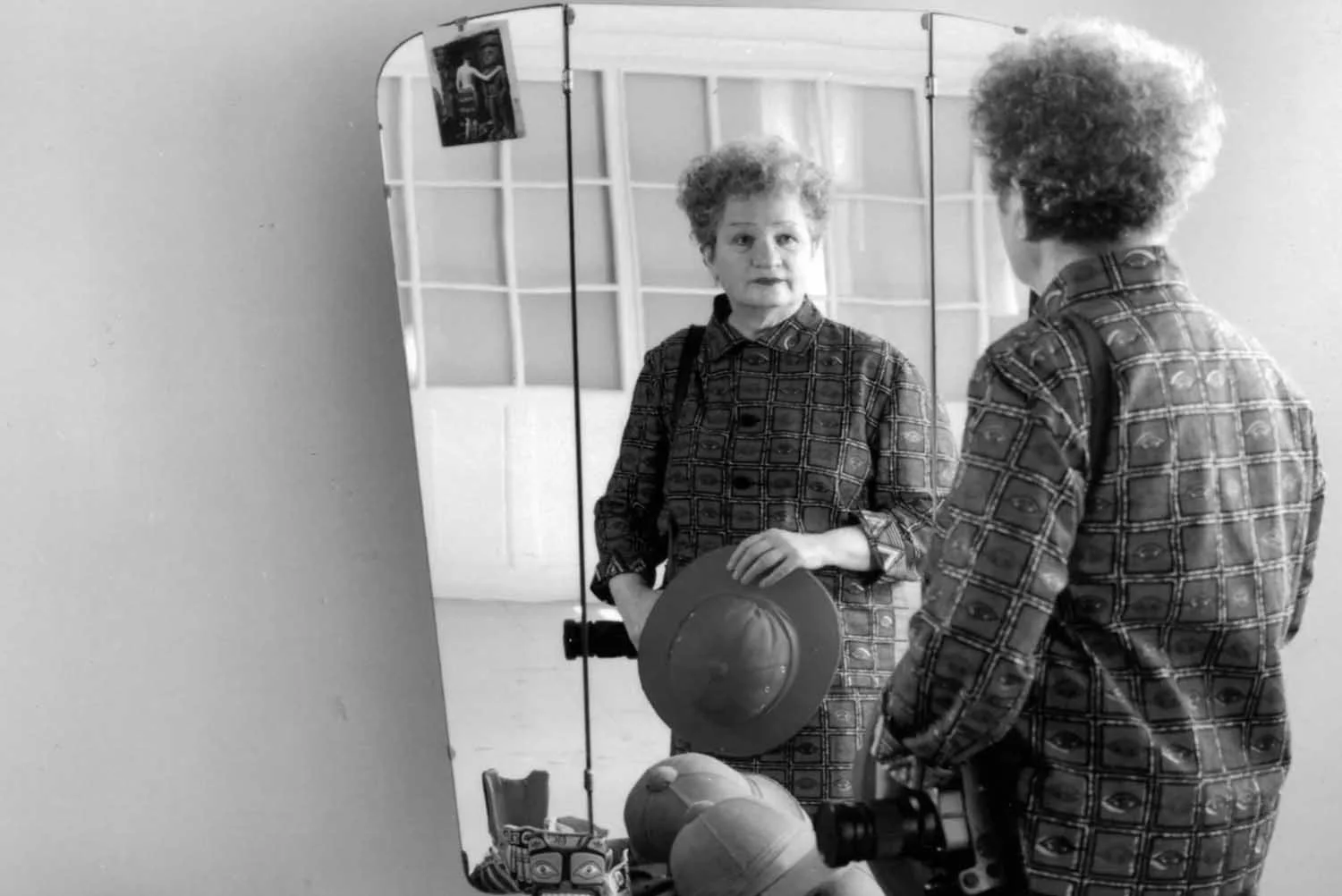
Lisl Ponger’s (1947) work concerns stereotypes, racism and the construction of the gaze. It is located at the interface between art, art history and ethnology in the mediums of photography, film, installation and text. She lives and works in Vienna, Austria.
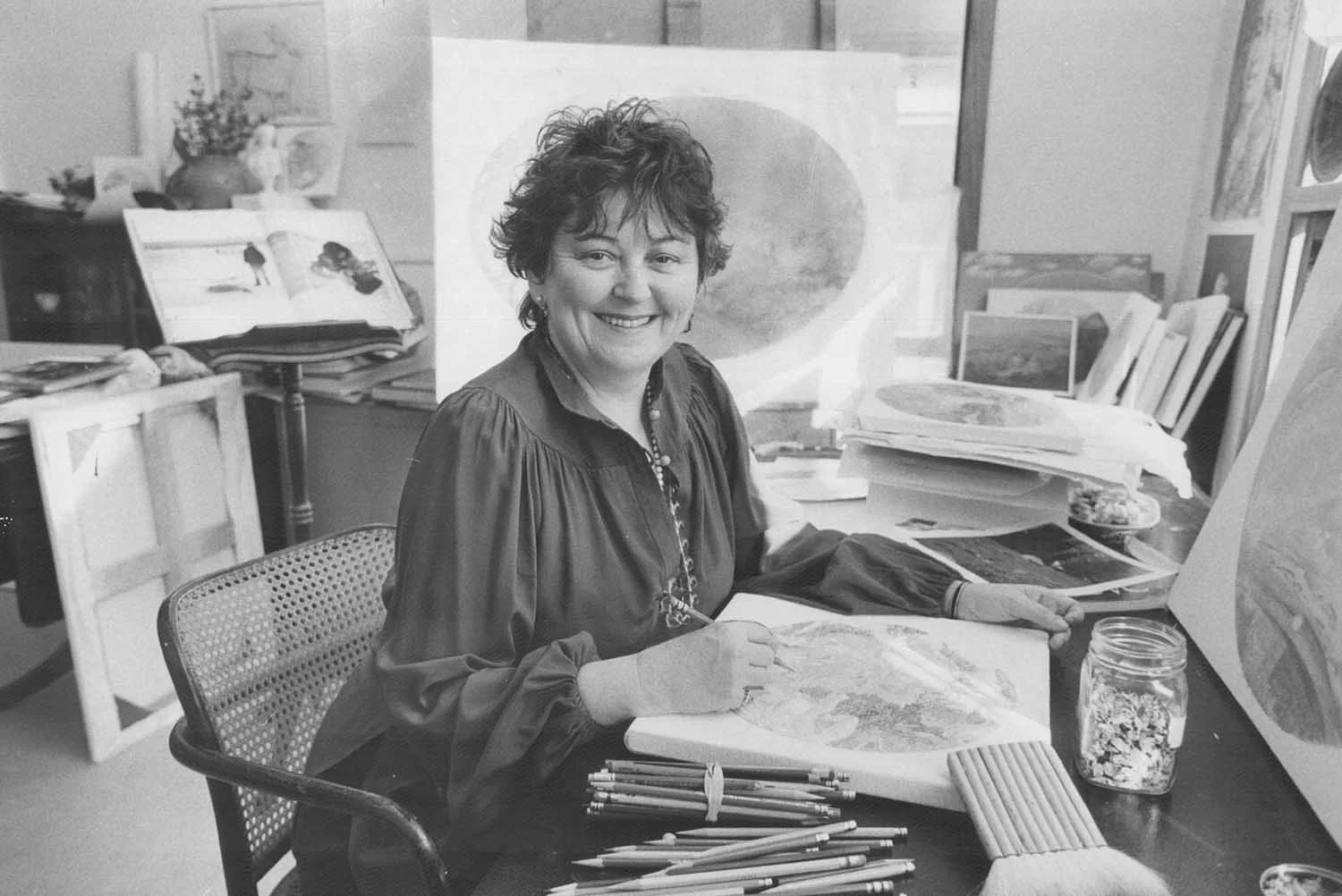
Joyce Wieland (1930–1998) was a Canadian filmmaker and mixed media artist. Wieland found success as a painter when she began her career in Toronto in the 1950s. In 1962, Wieland moved to New York City and expanded her career as an artist by including new materials and mixed media work. During that time, she also rose to prominence as an experimental filmmaker and, soon, renowned institutions such as the Museum of Modern Art were showing her films. Internationally, Wieland is best known as an experimental filmmaker whose work challenged and bridged boundaries among avant-garde film factions of her time. Her works introduced physical manipulation of the filmstrip that inscribed an explicitly female craft tradition into her films while also playing with the facticity of photographed images. Wieland's output was small but received considerable attention in comparison to other female avant-garde filmmakers of her time. As both a gallery artist and a filmmaker, Wieland was able to cross over between those realms and to garner attention and support in both worlds.
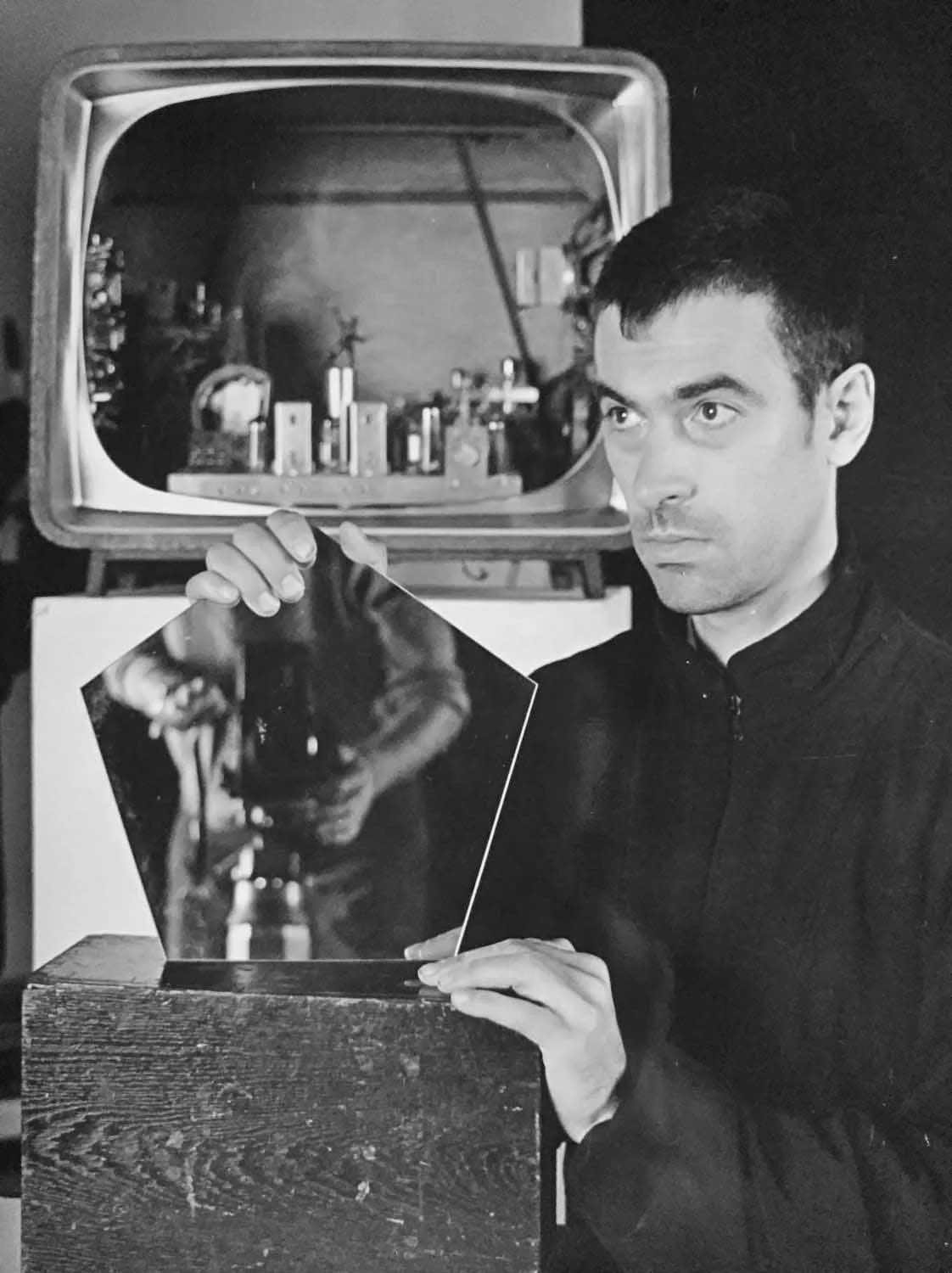
Marko A. Kovačič (1956–2025) graduated from the Academy of Fine Arts in Ljubljana, where he completed postgraduate studies in sculpture (M.A. in Fine Arts) in 1988. He was active in various art groups: Ana Monro Theatre (1981–1991), R IRWIN S group (1983–1985) and Zlati kastrioti music and multimedia group (2000–2010). His artistic practice was characterized by a prominent interdisciplinary approach and a distinct taste for polymedia. He used methods, strategies and procedures deriving from various artistic practices as well as the tools and languages of several media and means of expression, thus creating a Gesamtkunstwerk. He explored and linked performance art, sound, video, installations and his sculptures. In direct or mediated situations, he was prone to establishing a symbolical space of communication in which the spectator played an active role of a decipherer of meanings, a connector and trigger of events. The levels of significance of his entire artistic practice evoke multifaceted references and associations that are connected to preceding attainments – chiefly those of the (historical) avant-gardes as well as the individuals who stubbornly persisted in their own utopian projects. The artist brought together the old and the new – something we might call the past and the present and even a potential future. If our consciousness is the result of interactions between the present and the past, then Kovačič's artefacts tell us that our future is also an unmistakable actor in this world of fragmentary perception and crumbling relations. Memories of the past might fill in our holes whereas future expectations might make our lives more bearable.
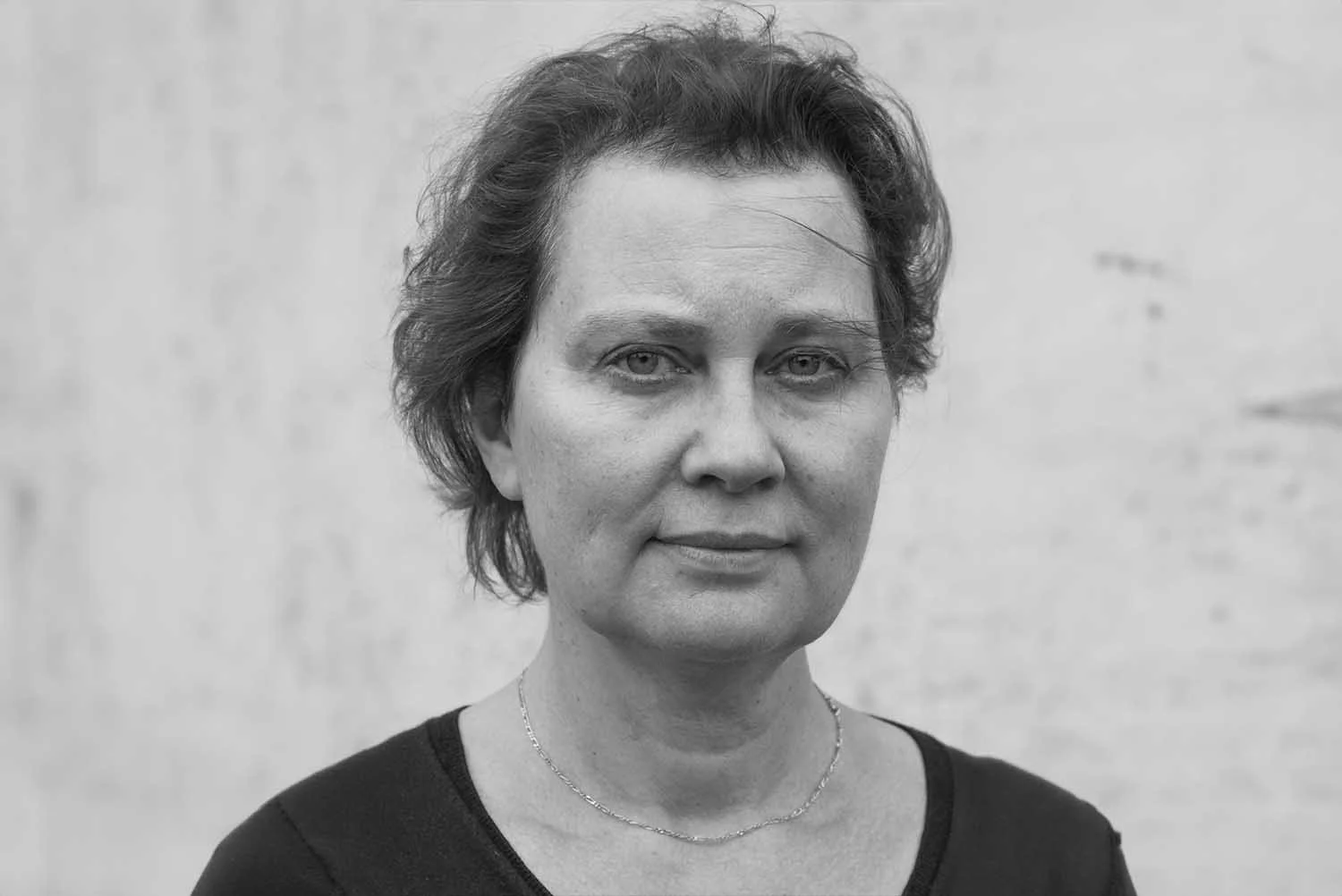
Clara van Gool (1962) is a director and scriptwriter. Her films are internationally award-winning, highly visual stories that use dance and choreography. Her early short films are expressed through choreography. Continuing in fiction, she combined acting with movement and dance. Her hybrid style emerged in the feature-length film The Beast in the Jungle (2018). Her work includes successful adaptations of dance performances for the screen; she won the International Emmy Award for Performing Arts (New York 1997). In Voices of Finance (2015), based on the Banking Blogs by Joris Luyendijk in The Guardian, van Gool explored the use of dance and dialogue in documentary film. In A Way to B (2022), a collaboration with her husband, documentary maker Jos de Putter, she found yet another innovative way to involve dance in the documentary. Exploring narrative techniques, her work also includes commercials for De Bijenkorf (2012, 2013) and the video installation Little Sister (2010).
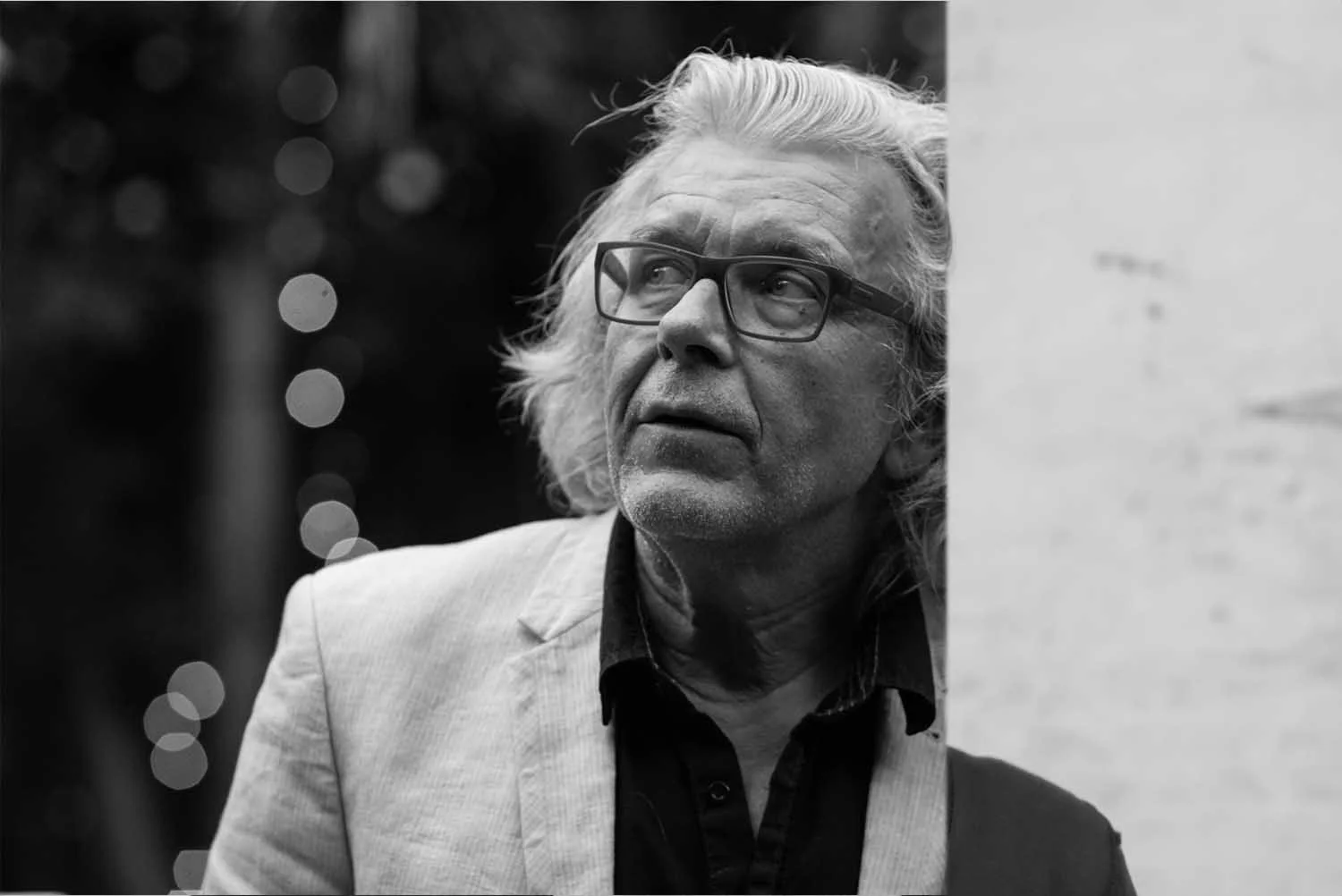
Zbigniew Rybczynski (1949) was born in Poland. Since graduating from the Lodz Film School in the early 1970s, he has worked primarily as a film director and cinematographer. His work has received many prestigious industry awards in the United States, Europe and Japan. These include an Academy Award in 1983 for Tango, an Emmy for Special Effects in 1990 for The Orchestra, the Prix Italia, the Golden Gate Award in San Francisco and the awards at the Electronic Cinema Festival Tokyo/Montreux. Among his other industry accomplishments are three MTV Awards, American Video Awards, Monitor Awards and the Billboard Music Video Awards. Zbig is a member of the Academy of Motion Picture Arts and Sciences. Rybczynski is a pioneer of high-definition television technology, and an innovator and experimenter in the technical field. He is the author of several US patents related to film techniques, including motion control, optics and image compositing. Between 1985 and 2013, Zbig worked in the USA, Germany and Poland on the development of innovative methods and systems for the production of visual special effects. His major contribution during this period was the development of a one-of-a-kind film studio, equipped with electronic technology, for creating and compositing multi-layer images in real-time. It largely eliminates the need for post-production, which fundamentally changes the methodology of the creative process and reduces overall production costs.