
FESTIVAL GUESTS /
FESTIVAL GUESTS /
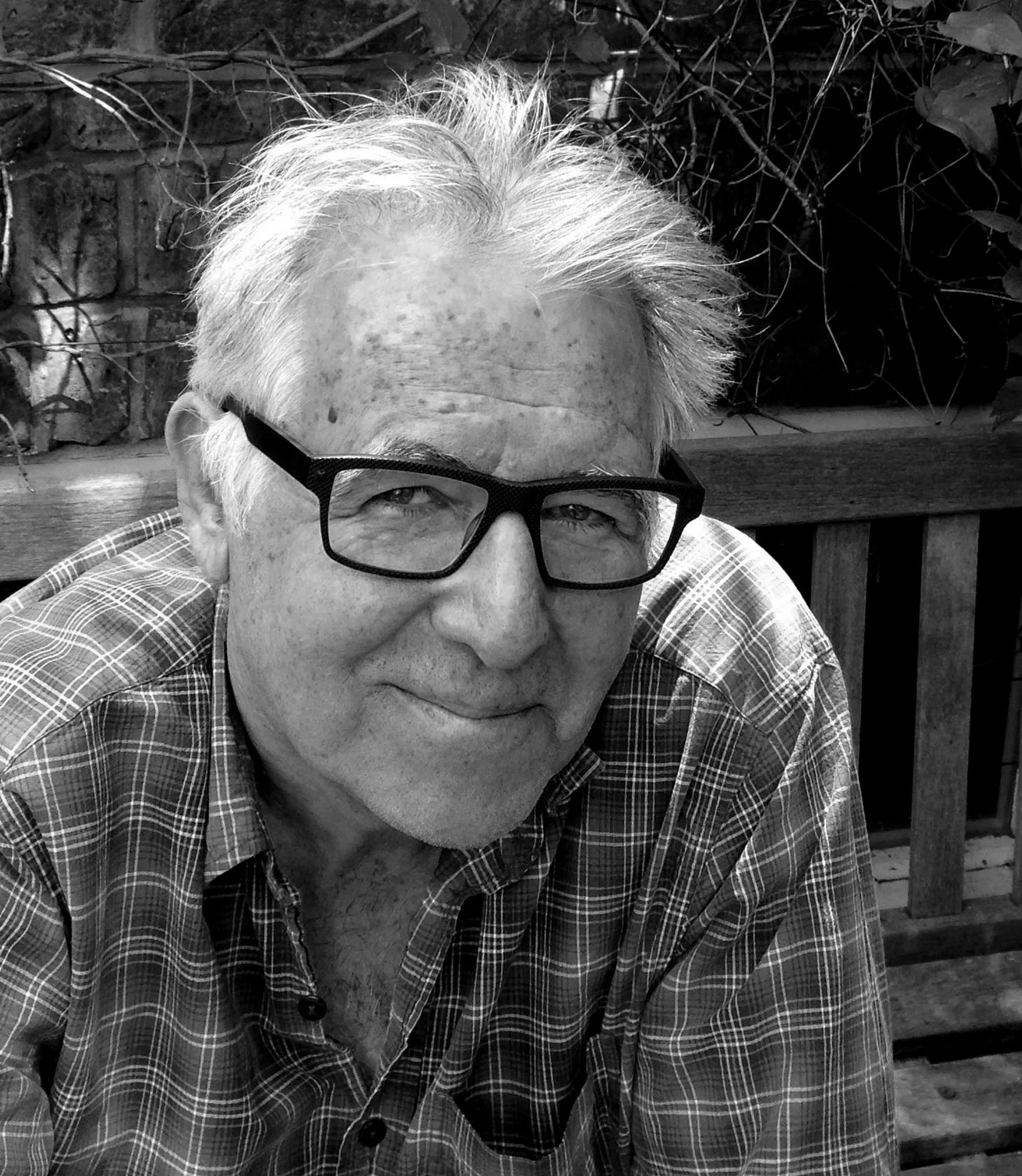
John Smith (1952) studied film at the Royal College of Art. Inspired during his formative years by conceptual art and structural film, but also fascinated by the immersive power of narrative and the spoken word, he has developed a body of work that deftly subverts the perceived boundaries between documentary, fiction, representation and abstraction. Smith's work has been widely shown in independent cinemas and art galleries around the world and awarded major prizes at many international film festivals. His work is held in numerous collections including Tate Gallery,London; Arts Council England; Museum of Modern Art, New York; Museum Sztuki, Lodz; Ville de Genève, Switzerland and Kunstmuseum Magdeburg, Germany. John Smith is Emeritus Professor of Fine Art at the University of East London. He lives and works in London and Aude.
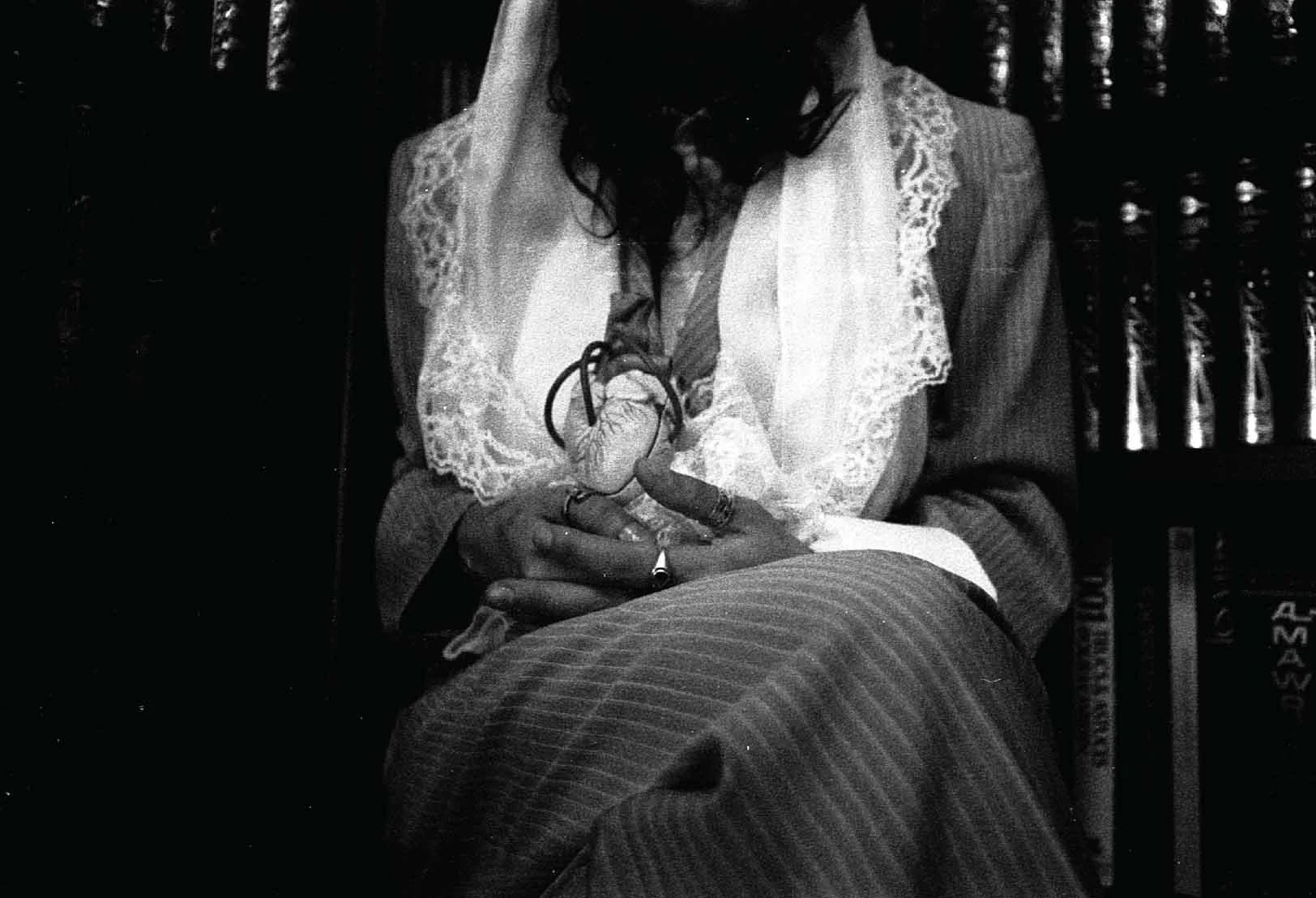
NÂR (DIY electronics, Free music) is a Lebanese multi-instrumentalist, singer and composer based in Beirut. In a constant metamorphosis, she works with various instruments, her voice and different objects she finds. Abrasive, hypnotic, NÂR’s performances are sonic experiments and live improvisations often led by short sentences on repeat like mantras. Her music takes its roots in a very large spectrum of sounds, inspiration or genre such as Middle Eastern music, north African trance, industrial and electronic music. In 2021, NÂR started working on a unique instrument essentially composed of old clocks and bells giving birth to a new dimension in her practice. The musician sees her performances as “a succession of sacred mistakes”.
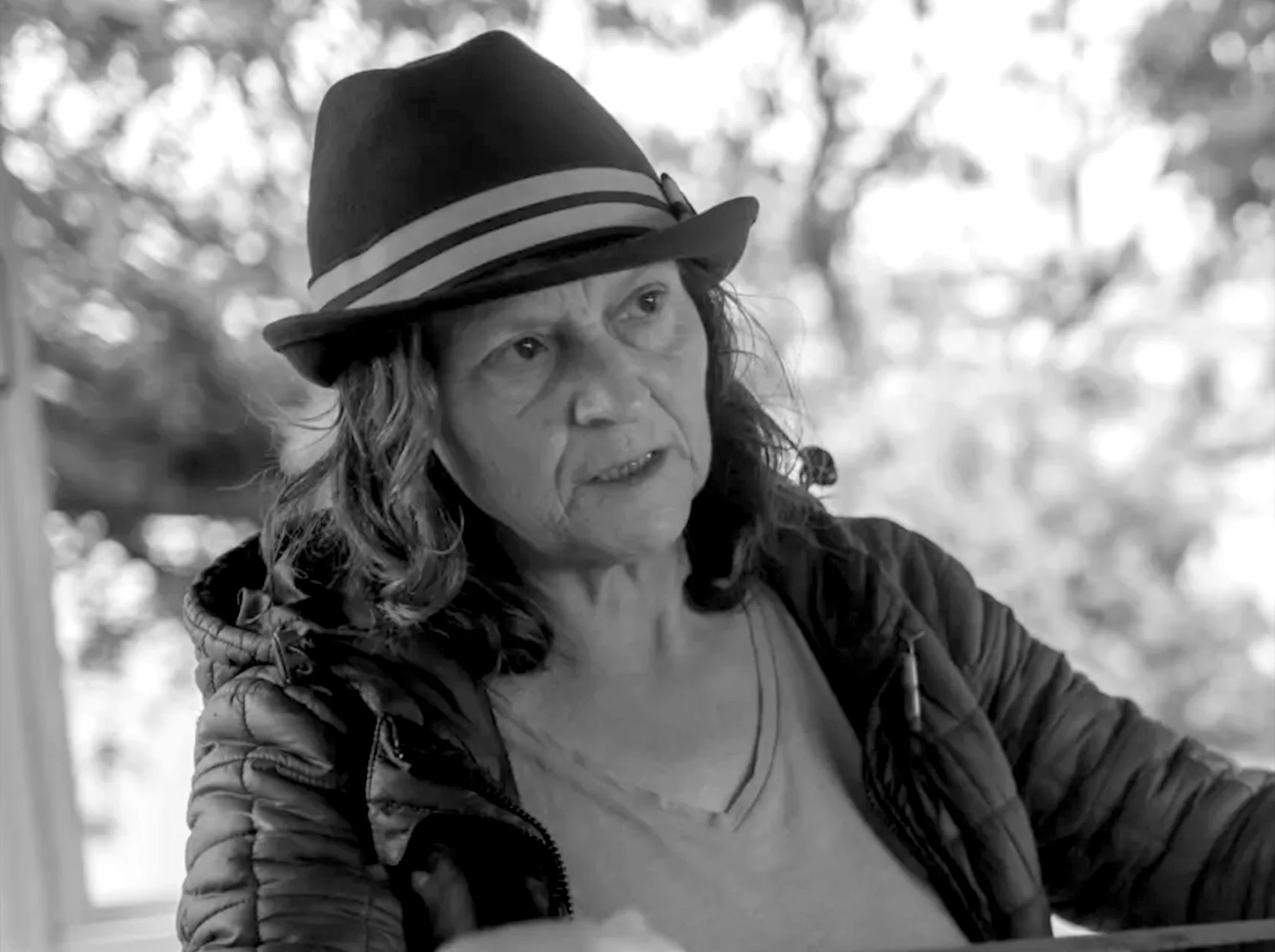
Vicky Smith’s practice in experimental animation includes imagery and traces of the body. Through direct-on-film animation, live action and performance, she activates the tension between the physical and the material to explore conditions of fragility, tenacity and resilience. Her work screens internationally in galleries and festivals (Courtisane Festival, Ghent; Rotterdam Film Festival; Fort Mason Center for Arts & Culture, San Francisco; Ann Arbor Festival, Michigan, 2025).
Mars Saude is an artist and filmmaker engaging with documentation, marginal histories, landscape, neurodivergent poetics, speculative fiction, radical politics, and text(s). Their time-based media practice includes 16mm film, photography, illustrated lecture performances and sound. A Portuguese national raised in California, they are a member of BEEF (Bristol Experimental & Expanded Film) and currently co-ordinate Labordy Ffilm Aber in Wales.
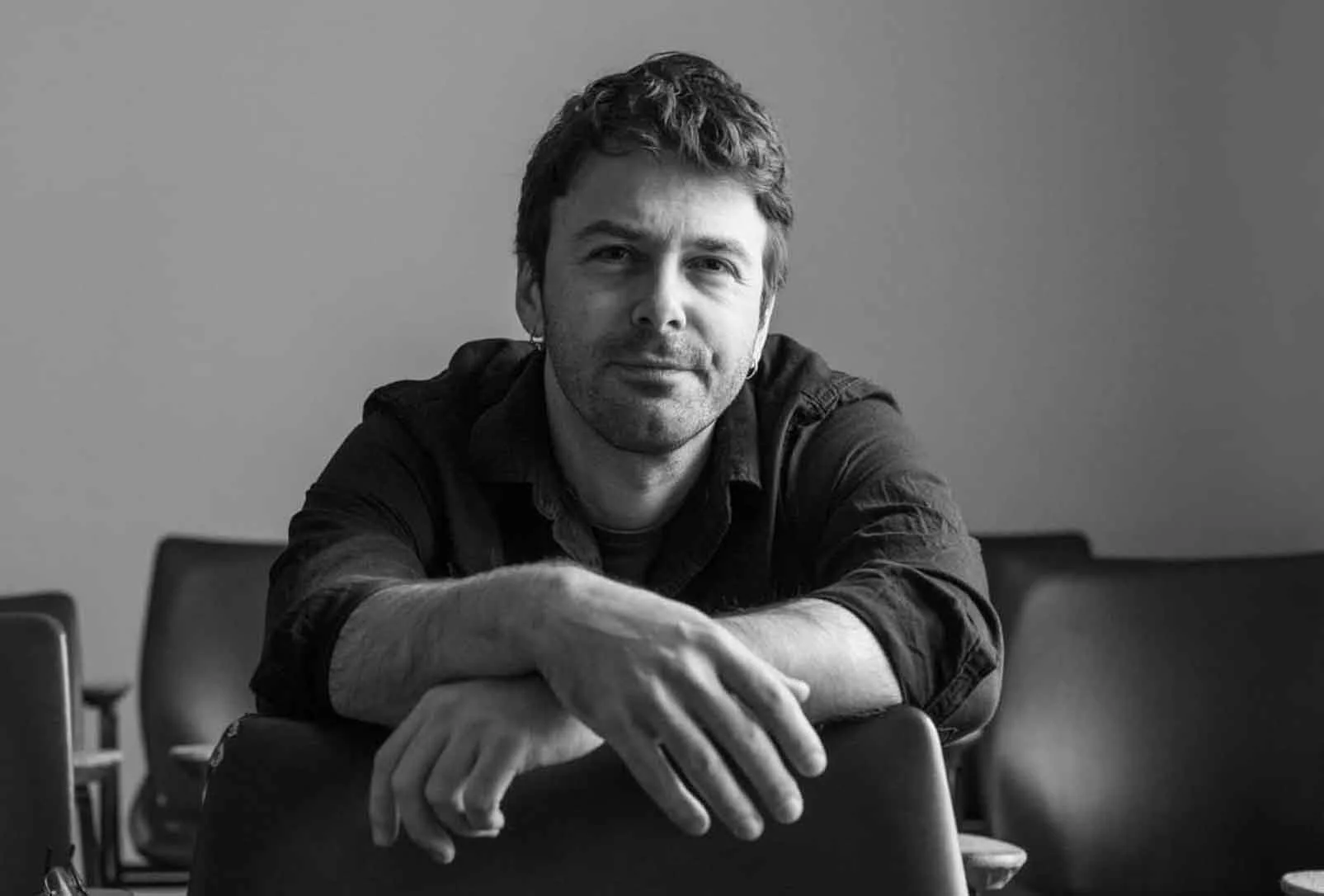
Andrea Matošević is a university professor and researcher in the fields of ethno-anthropology, cultural studies, history and philosophy. He has published several dozen scientific research papers and six monographs. His last monograph is titled Kolos Jadrana. Industrijski film i brodogradilište Uljanik u drugoj polovici XX. stoljeća.
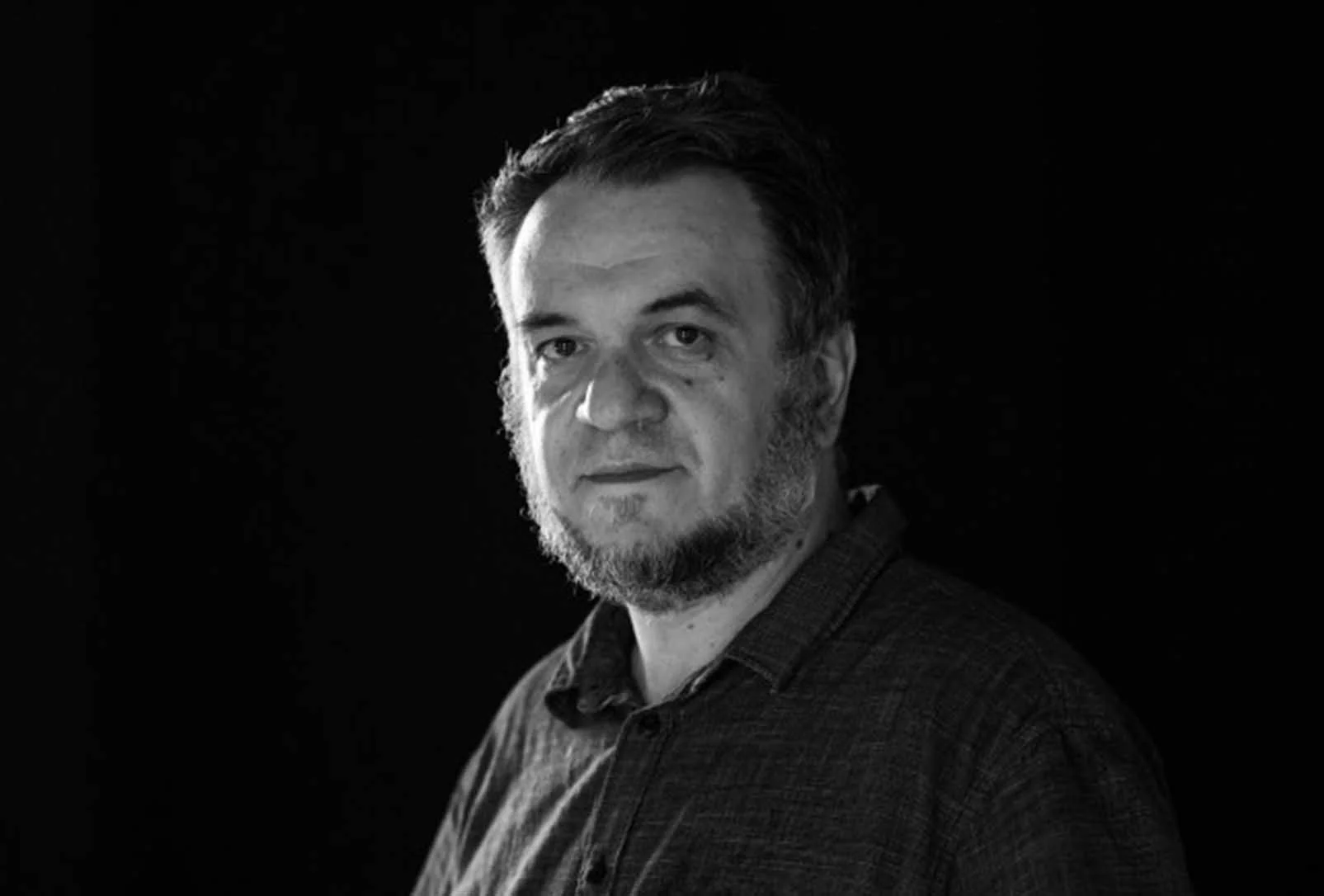
Miodrag Gladović holds a degree in electroacoustic engineering and works as a musician, music producer and multimedia artist. He collaborates with numerous artists from Croatia and other countries as a sound designer and in the technical realization of multimedia and interactive art installations.
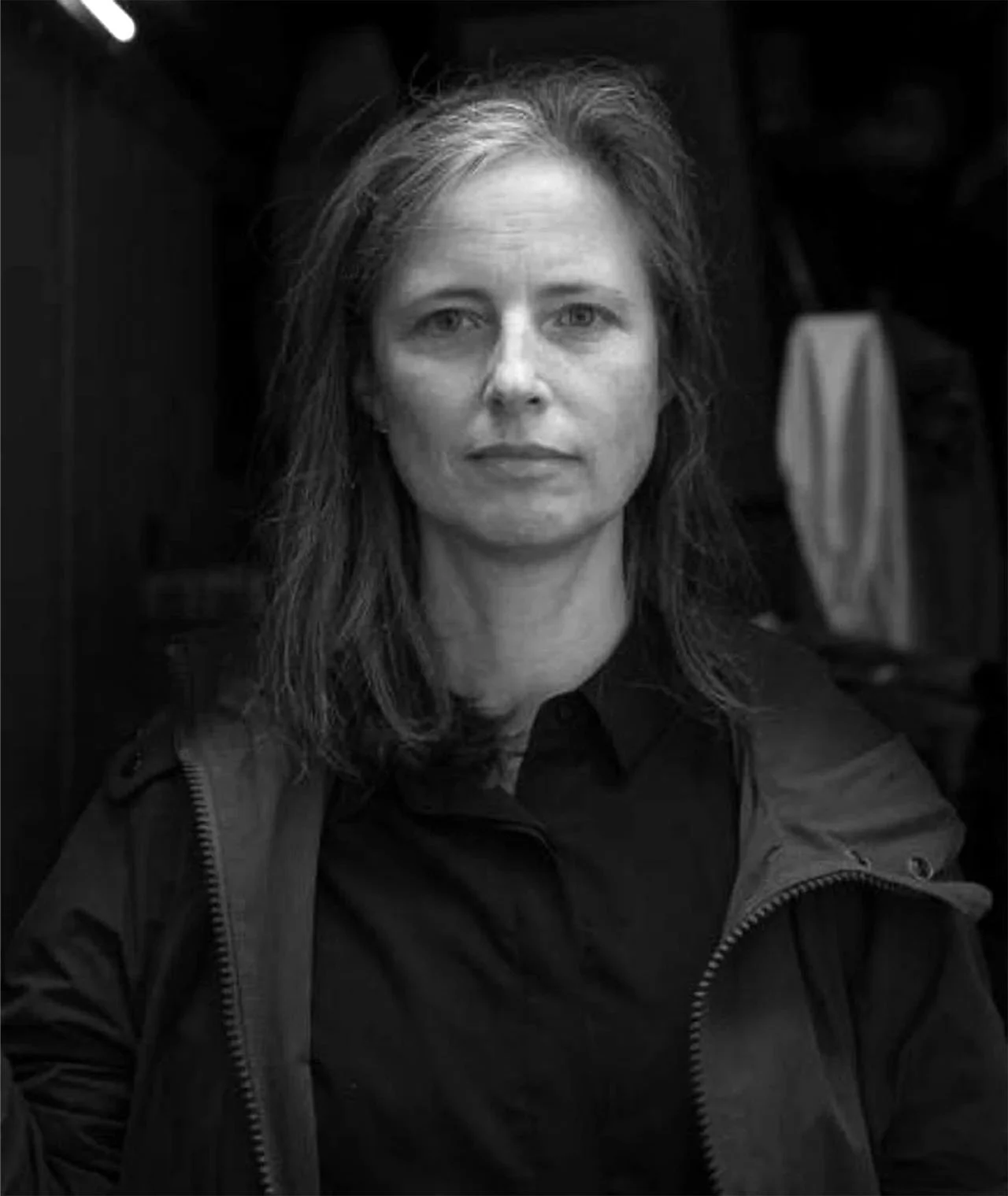
Miranda Pennell (1963) is an artist and filmmaker based in London. Her recent and current work uses photographic archives as the starting point for a reflection on colonial legacies. She originally trained in contemporary dance, and her award-winning videos exploring choreography in everyday life have been widely screened and broadcast internationally. Pennell later received an MA in visual anthropology from Goldsmiths College, University of London, in 2010, and went on to undertake practice-led PhD research on approaches to activating images from imperial archives, completed in 2016. Pennell teaches moving image and performance practices; she sometimes writes and curates; and as an activist she organises around the politics of anti-racism, internationalism and human rights.
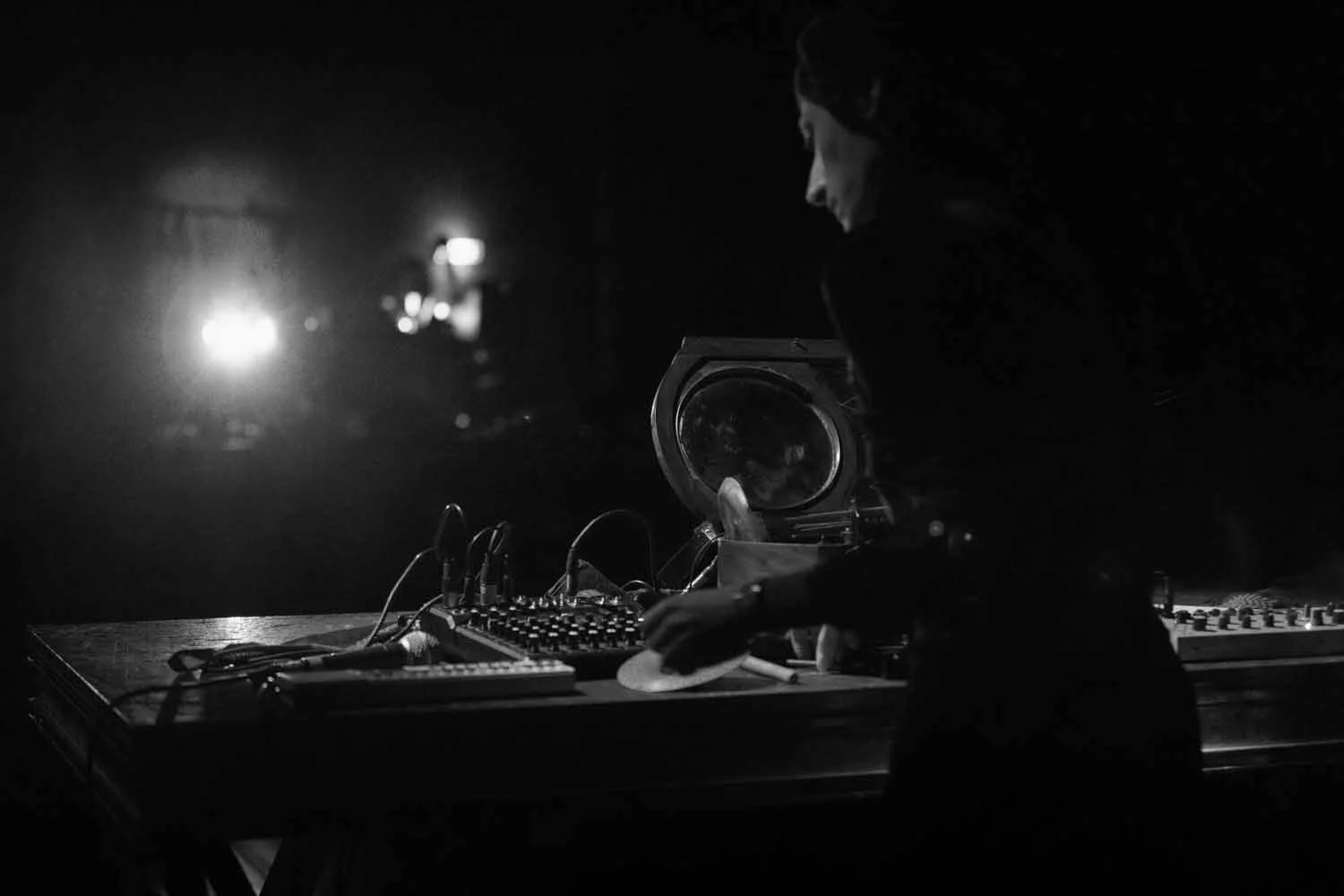
Loïc Verdillon is a filmmaker, musician and printmaker. His current research focuses on sound, its materiality and its forms. Since 2016, he has been co-directing and working at the Atelier MTK independent cinema laboratory in Grenoble, where he makes films and performances in 16mm. He has presented Expanded Cinema performances of films and organized 16mm workshops around the world, including in Norway, Italy, Switzerland, the United States, Canada, Germany, France, the Czech Republic, Belgium, Latvia and Indonesia.
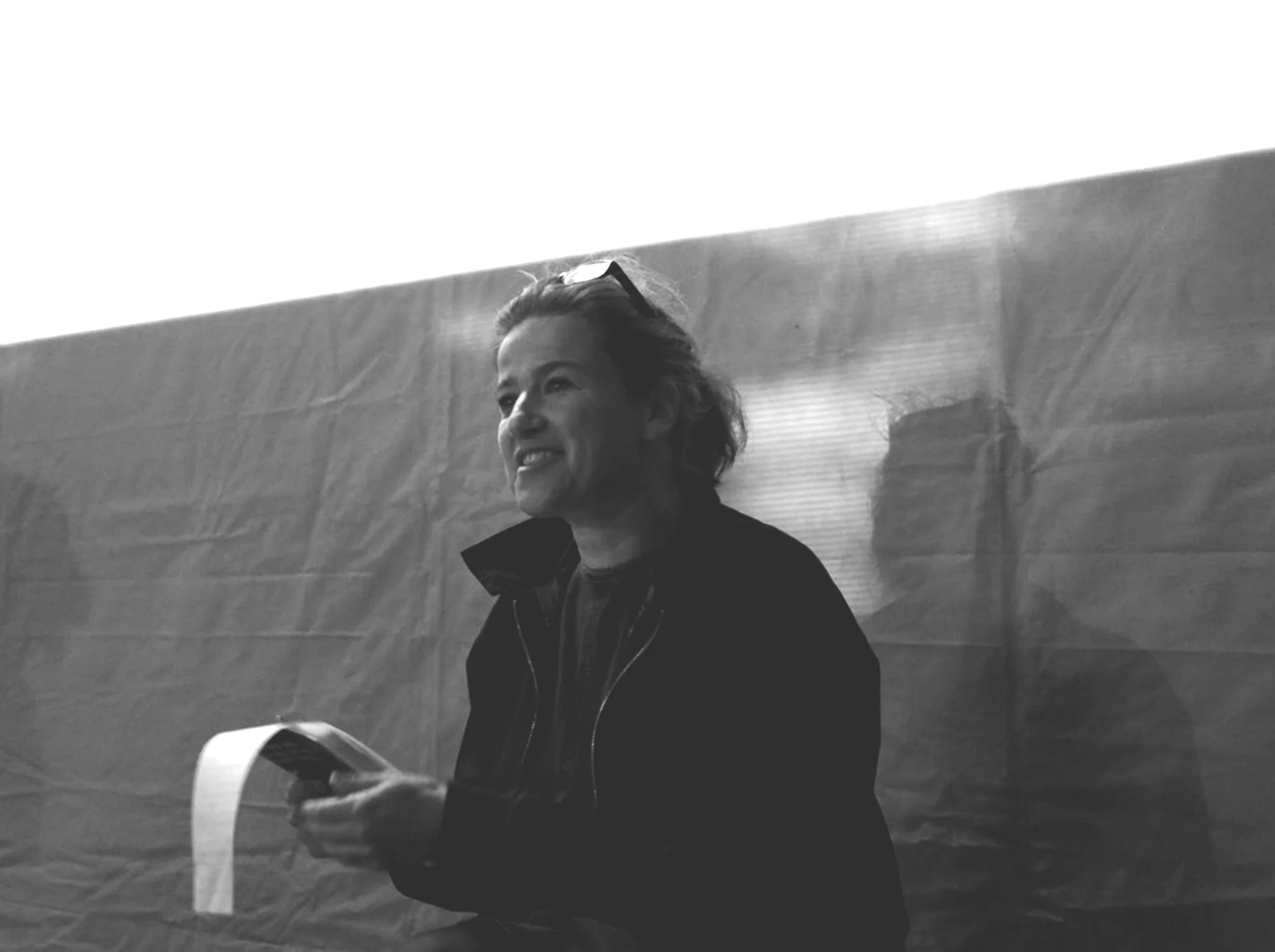
Louisa Fairclough is a filmmaker and artist. Over the last decade she has made a body of work in response to her deceased sister Hetta Fairclough’s sketchbooks, from expanded 16mm choral film installations to performances with choristers.
Émilien Duboc (1987) originally studied biochemistry in France and then in the Netherlands, focusing on the emergence of life on Earth, before turning to photography and film. While at the KASK & Conservatorium/School of Arts in Ghent (Belgium), he developed a practice based on film, the chemistry of images and sound reconstruction, with which he bid farewell to synchronicity. At Le Fresnoy – Studio national des arts contemporains, the conjunction of scientific and artistic research is fully effective.
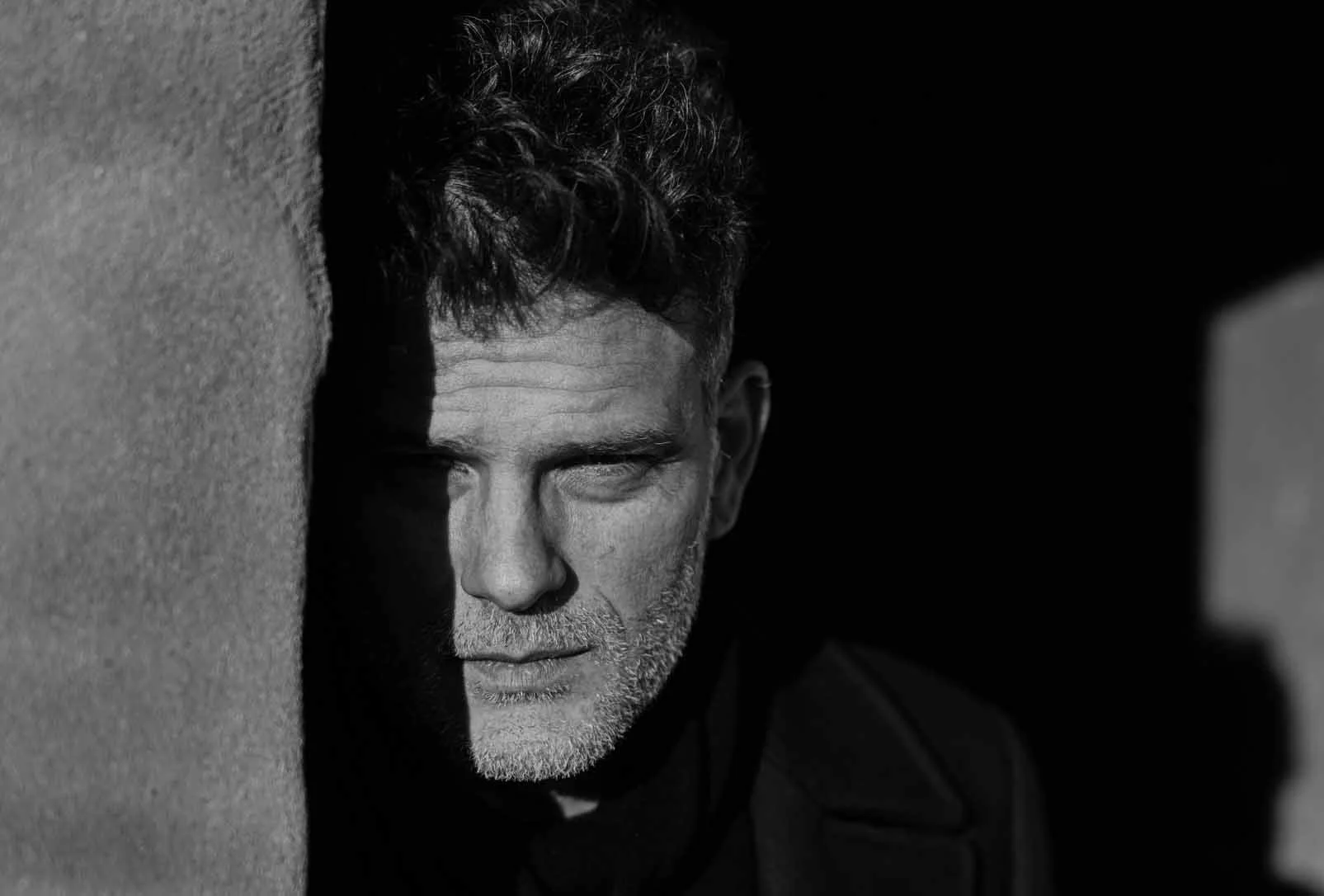
Alen Sinkauz is a musicologist, composer and performer, the winner of five Golden Arenas for Best Music at the Pula Film Festival. He composes and designs sound for musical stage productions, dance and theatre performances, as well as radiophonic, site-specific and multidisciplinary performances.
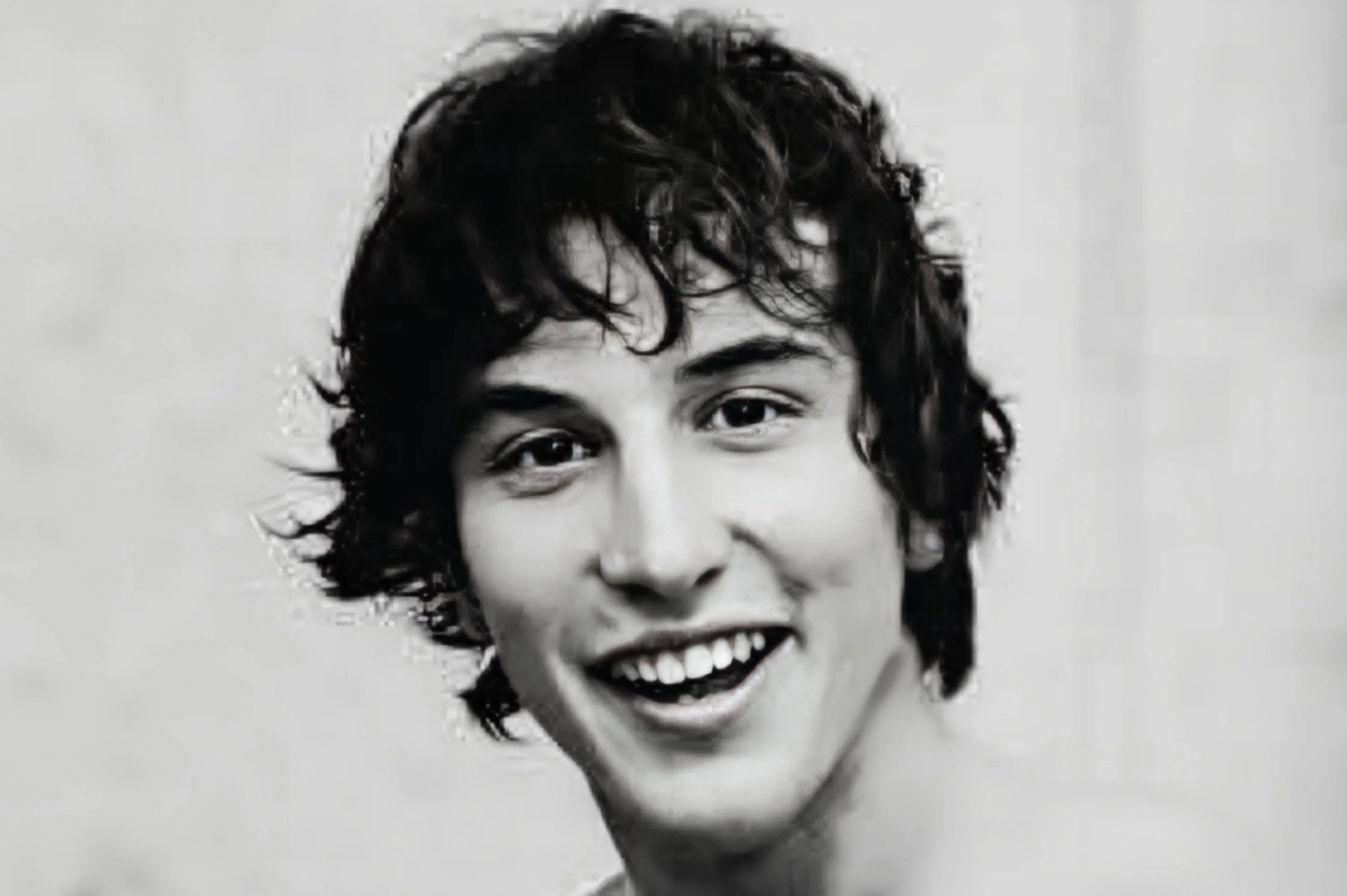
Mateo Patekar, born in Zagreb in 1993, showed an interest in music and sound engineering from an early age. At just twelve years old, he encountered a mixing console for the first time, which soon became his central fascination. A combination of formal learning and volunteer work at KSET led him toward a career as a professional sound engineer. Over the past ten years of active work in live sound, he has collaborated with a wide range of performers. From audiovisual artists and some of the most prominent ex-Yugoslav and indie bands to theatre productions and experimental music projects.
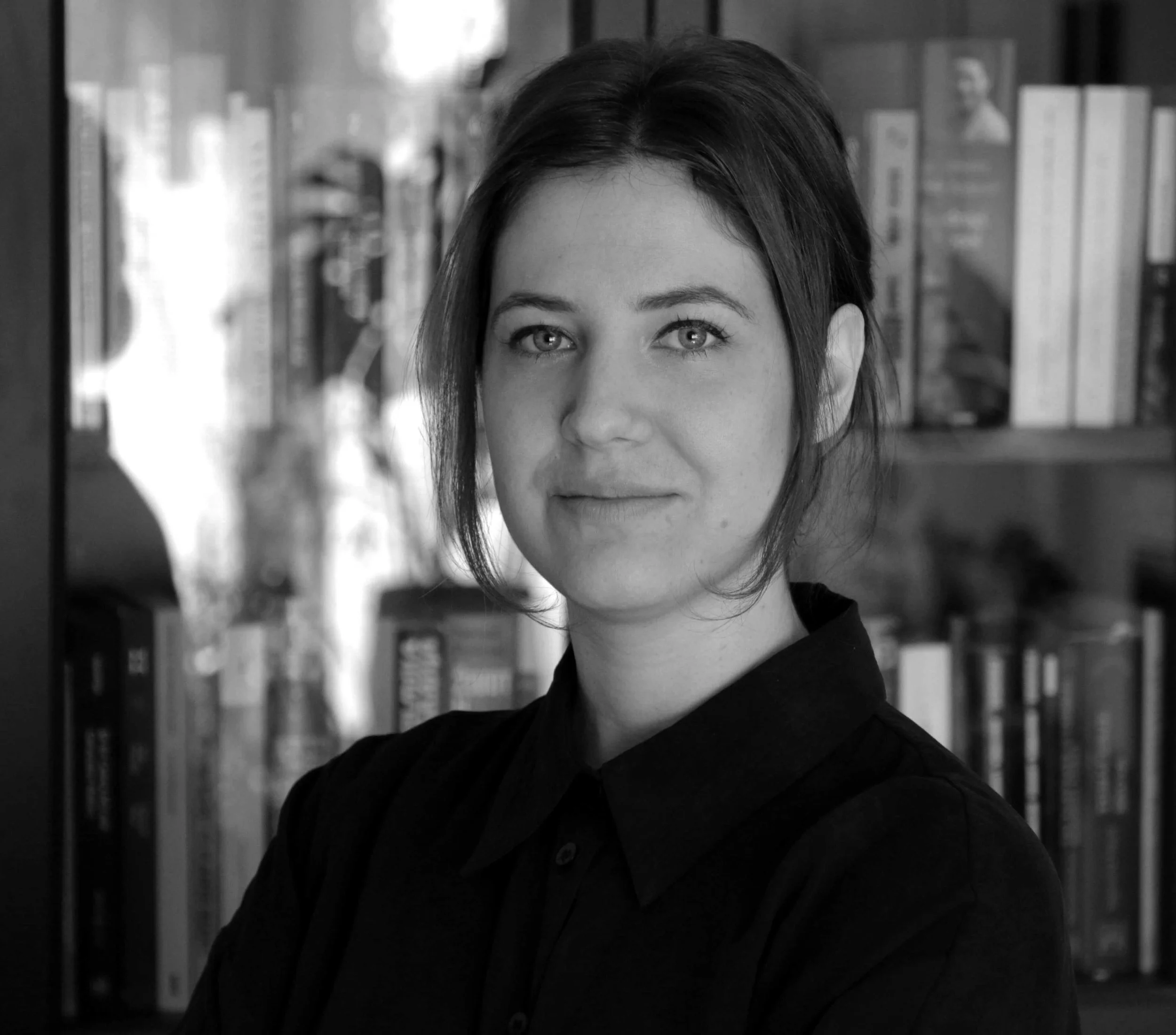
After studying Comparative literature and German language and culture, Tena Trstenjak started working in the film industry. She is currently working in the Association 25 FPS as the coordinator of the association and selector of the Festival 25 FPS and in the production company Dinaridi Film as a producer.
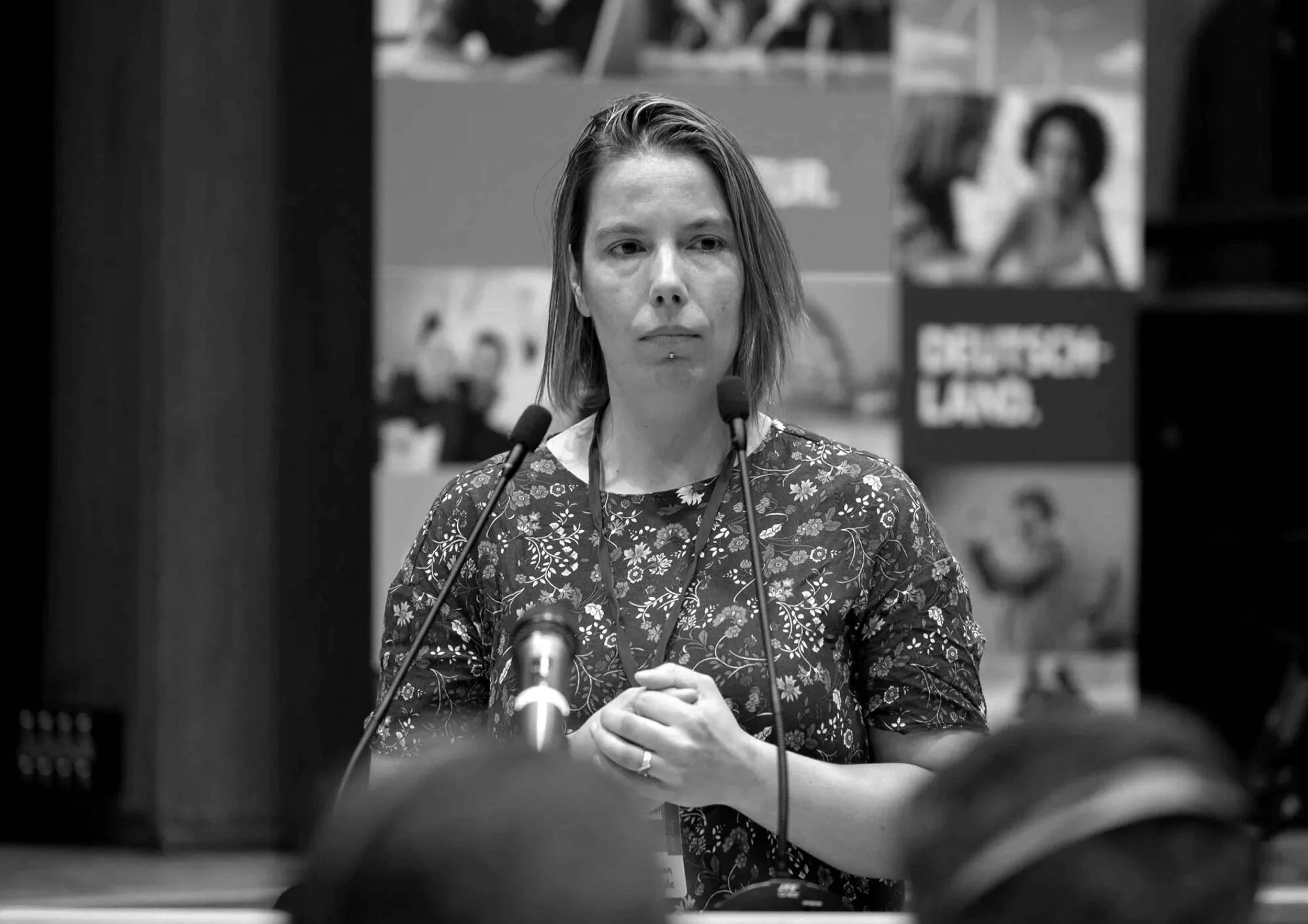
Edith van der Heijde, who lives in Utrecht, works at EYE Film Museum, the museum for film and the moving image in the Netherlands. Within the SEE NL department, she is the international promotion manager for Dutch short and experimental film. SEE NL, a collaboration between Eye and the Netherlands Film Fund, is responsible for the international promotion of Dutch films, the Dutch film industry, and film culture. In addition, she manages Eye’s national distribution platform for Dutch short films, the Korte Film Poule. She also promotes the Eye Experimental catalog of Dutch experimental short films at international festivals.
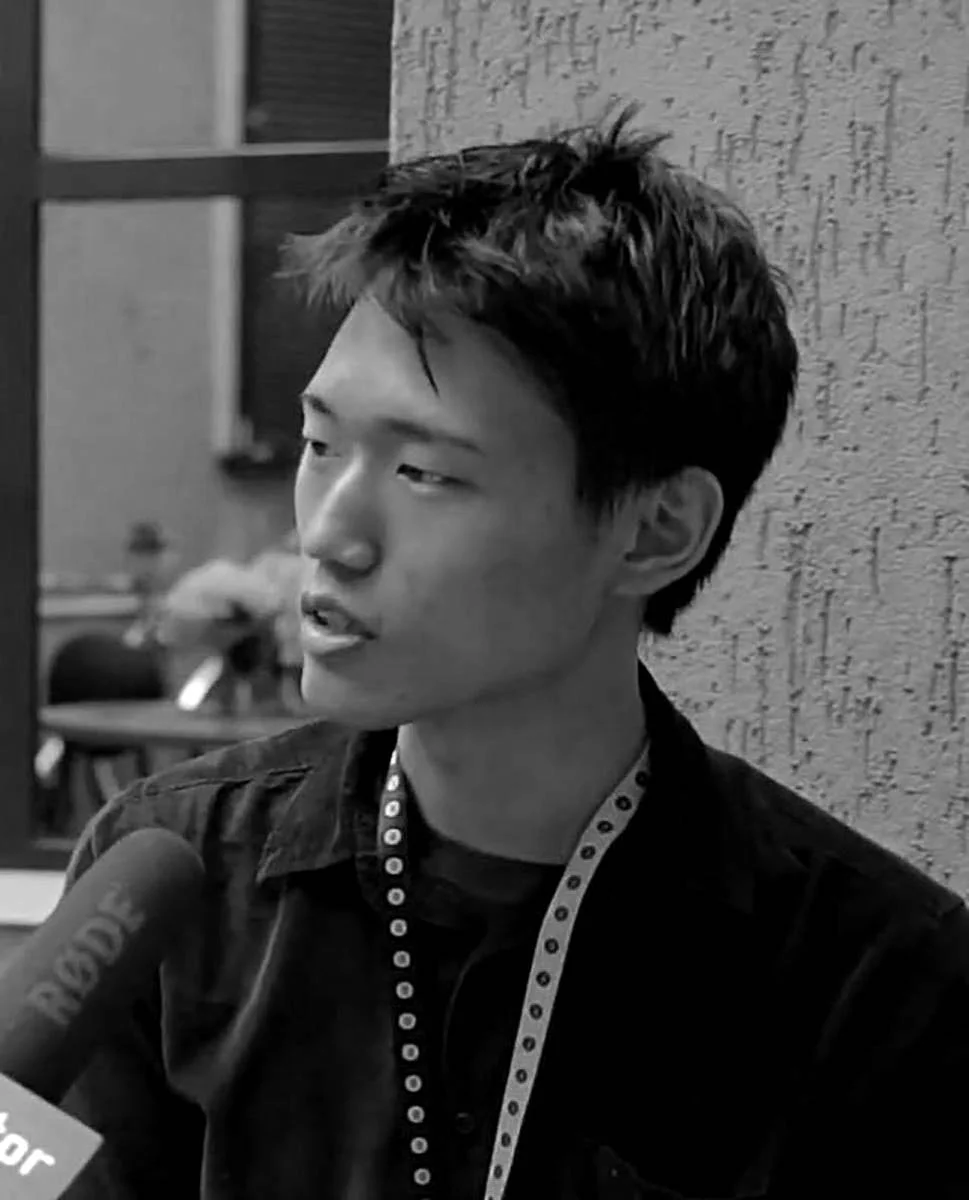
Shunsaku Hayashi (1992) is a painter and filmmaker. He studied Fine Art at Goldsmiths, University of London, under a fellowship granted by the Agency for Cultural Affairs in Japan from 2012 to 2015. His first stop-motion animation, Remember (2015), won the Golden Horseman for Animated Film at the 28th Filmfest Dresden. In 2017, Interstitial won the Grand Jury Prize for Animated Short at the 23rd Slamdance Film Festival, and Railment received the Chris Frayne Award for Best Animated Film at the 55th Ann Arbor Film Festival. In 2019, Leaking Life was selected for the Generation 14plus section at the 69th Berlin International Film Festival. In 2020, Hayashi served as an award presenter for the Student Academy Awards. His short film Our Pain (2023) received the High Risk Award at the Fantoche International Animation Film Festival and the Jury Special Award at Animafest Zagreb.
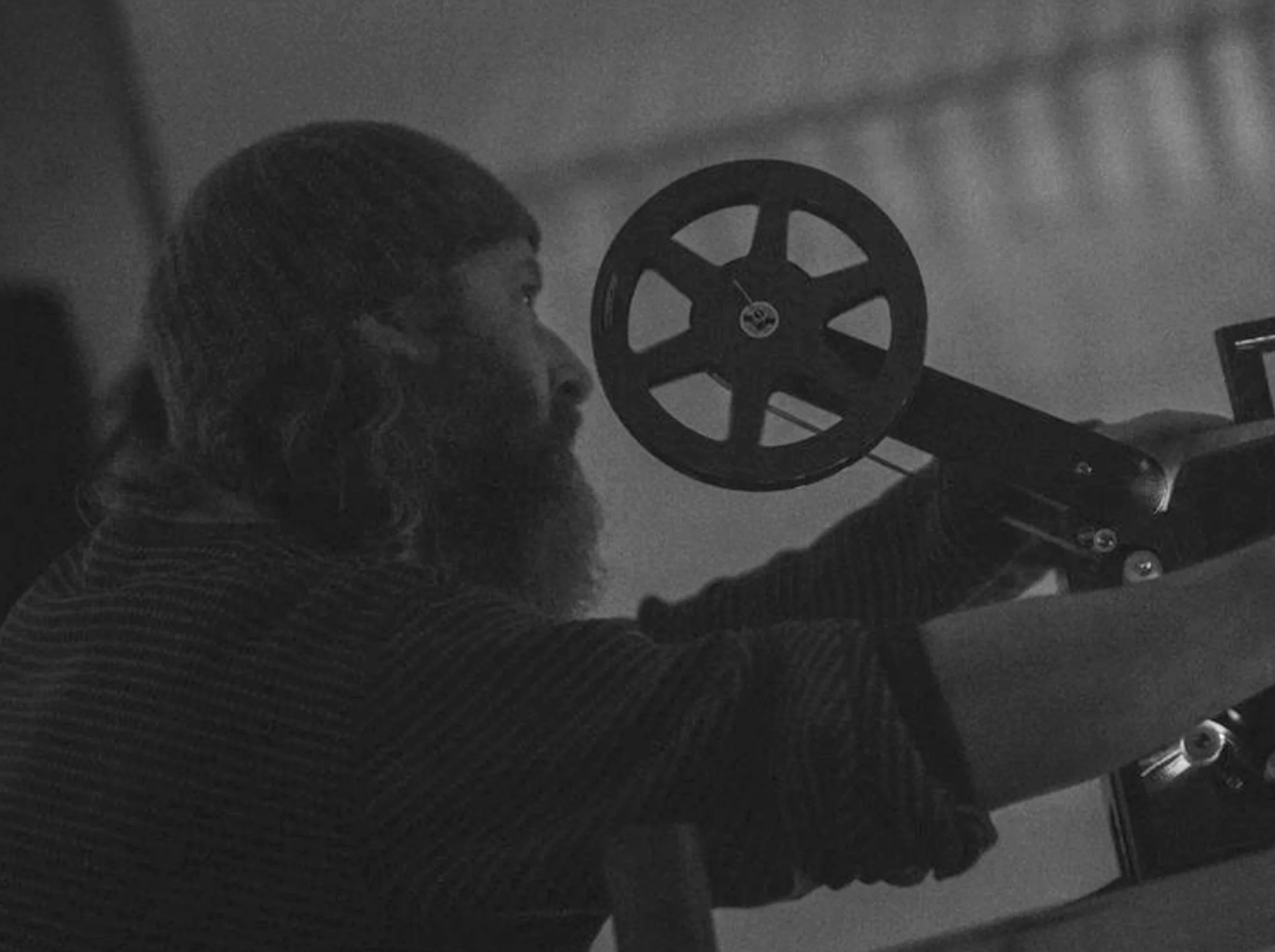
Matt Davies’ work is primarily engaged with the act of listening, live performance and the exploration of chance-based composition via the prism of expanded cinema. Using DIY microphones, magnetic tape, abstract turntablism, micro sounds, modified projectors and hand-processed film loops, he brings the moment and material of projection to the fore.
Past projects include By the Mark, the Deep, field recordings from the submerged town of Dunwich, with Milo Newman and Brunswick Light Ray Process, a research project using light to record sound. He is currently observing agitated bodies of water and experimenting with optical sound pendulums.
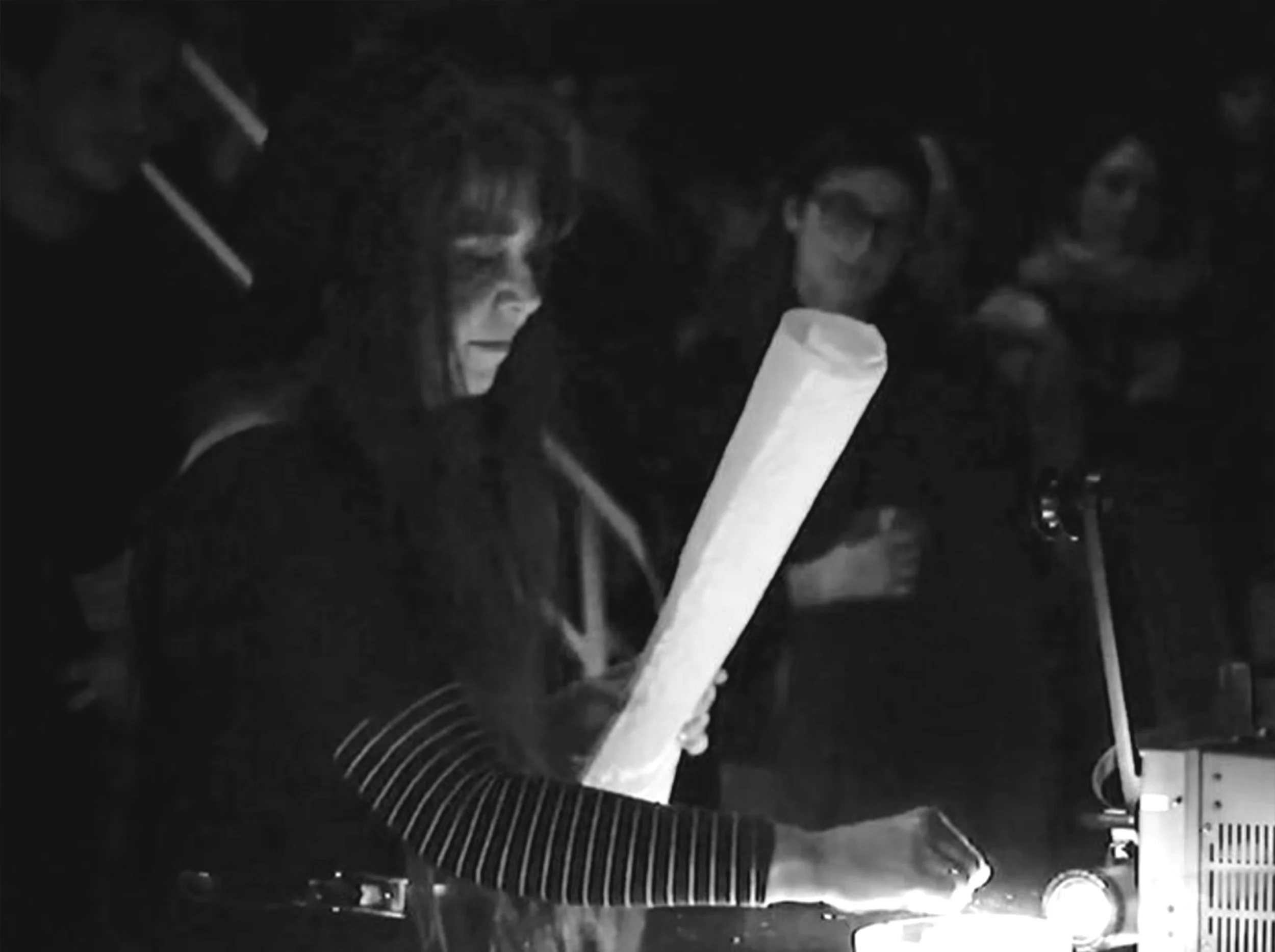
Melanie Clifford works in translation between film, sound, drawing, broadcast, material and site. Her work includes constructing visual scores for variable sound interpretation, soliciting sensitivity to detail, to minor fluctuations and structural disintegrity. Her work has been exhibited, performed and broadcast internationally, and she is a member of UK-based artists’ collective Bristol Experimental & Expanded Film.

Ivan Ramljak is a filmmaker, film critic, and independent curator. In 2003, he founded Human Rights Film Festival in Zagreb, Croatia. Since 2013, he curates the Short Tuesday film programme at cinema Tuškanac in Zagreb. Since 2016, he is the Artistic Director of Tabor Film Festival, the oldest short film festival in Croatia. So far, he has directed eleven films – four fiction films, five documentaries and two experimental films. His films have been shown at more than 80 international festivals all over the world (including IFFR, Cinéma du Réel, Dok Leipzig), and have won several awards. Ivan is a member of the IFFR selection committee for shorts and serves as a scout for films from former Yugoslav countries.
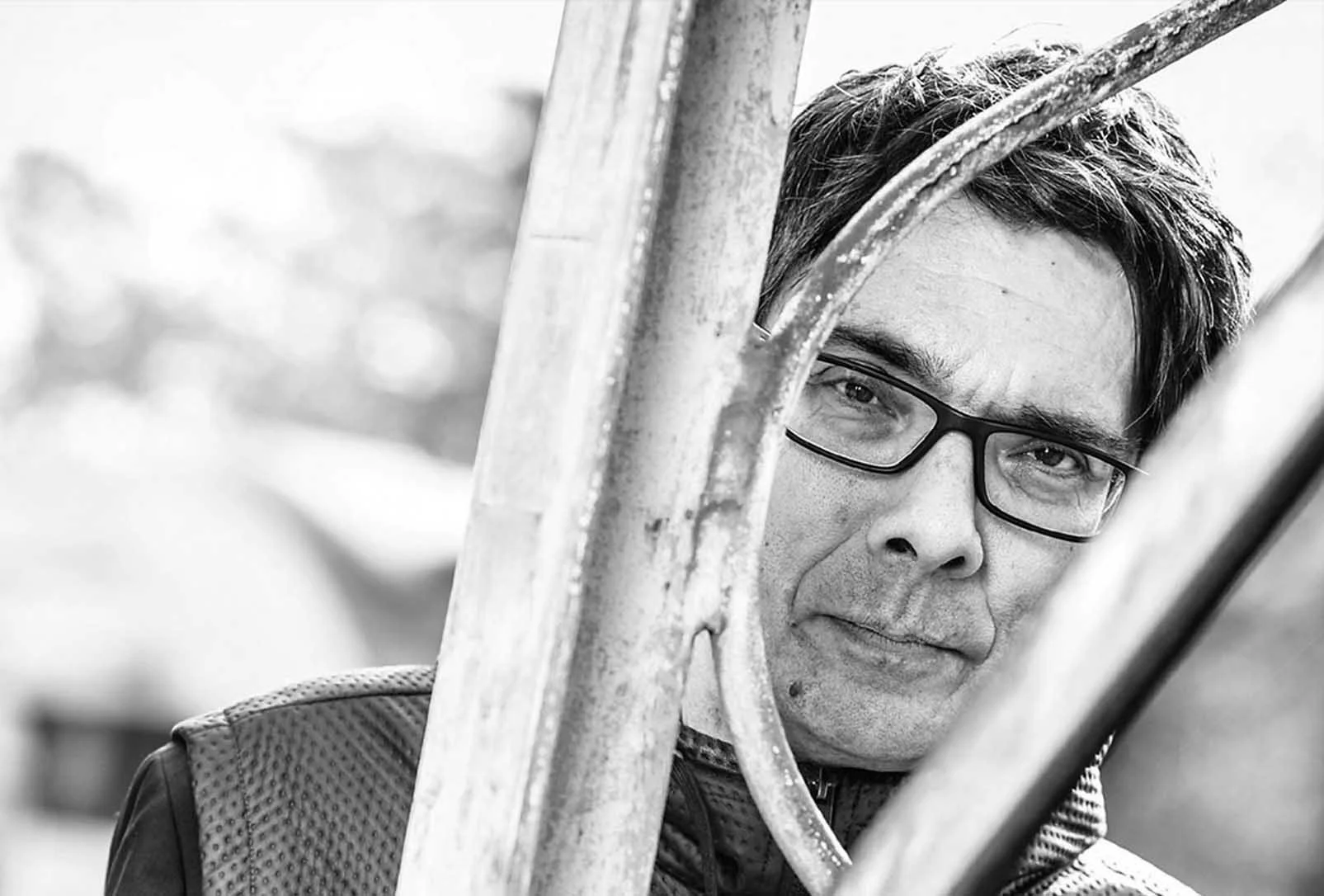
Vladislav Knežević is a media artist and director. He primarily engages in audiovisual research and creates works by using filmed video material, digital photography, micro-animation, stereoscopic 3D techniques and generative electronic sound in an attempt to create a new experience of viewing film media.
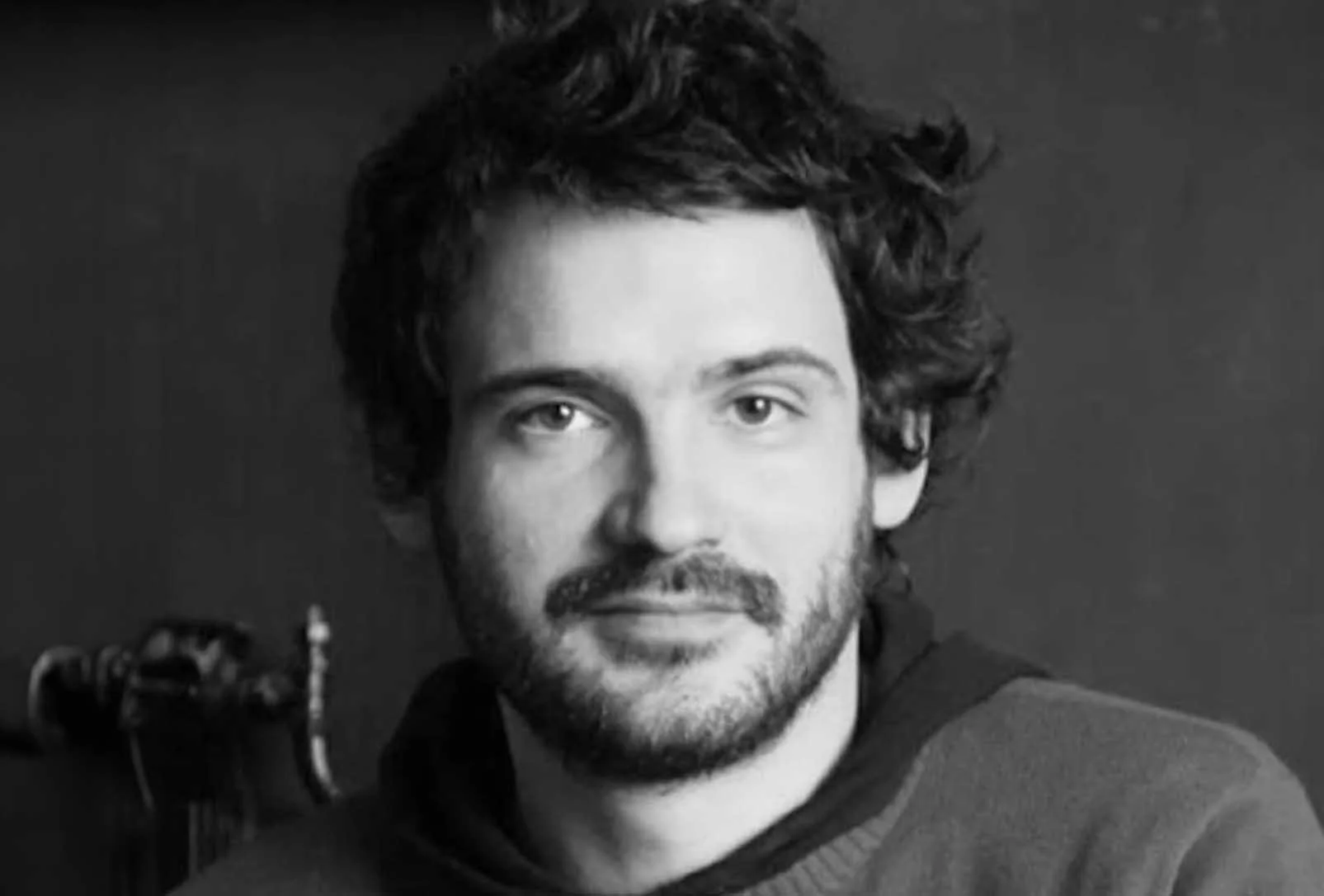
Nenad Sinkauz is an ethnomusicologist, composer and performer, the winner of five Golden Arenas for Best Music at the Pula Film Festival. He is currently researching MIDI mapping of the electric guitar and taking part in numerous audio-visual, theatre and concert performances.

Neža Knez (1990, Slovenia/Yugoslavia) is an intermedia artist based in Ljubljana and Zagreb. Her work explores hybrid formats that combine discur- sive and poetic principles of artistic practice, which she sees as inseparable from everyday life. She is interested in the relations and diffractions that emerge in the structuring of forms, be they moving images, sound, language or mixed media installations.
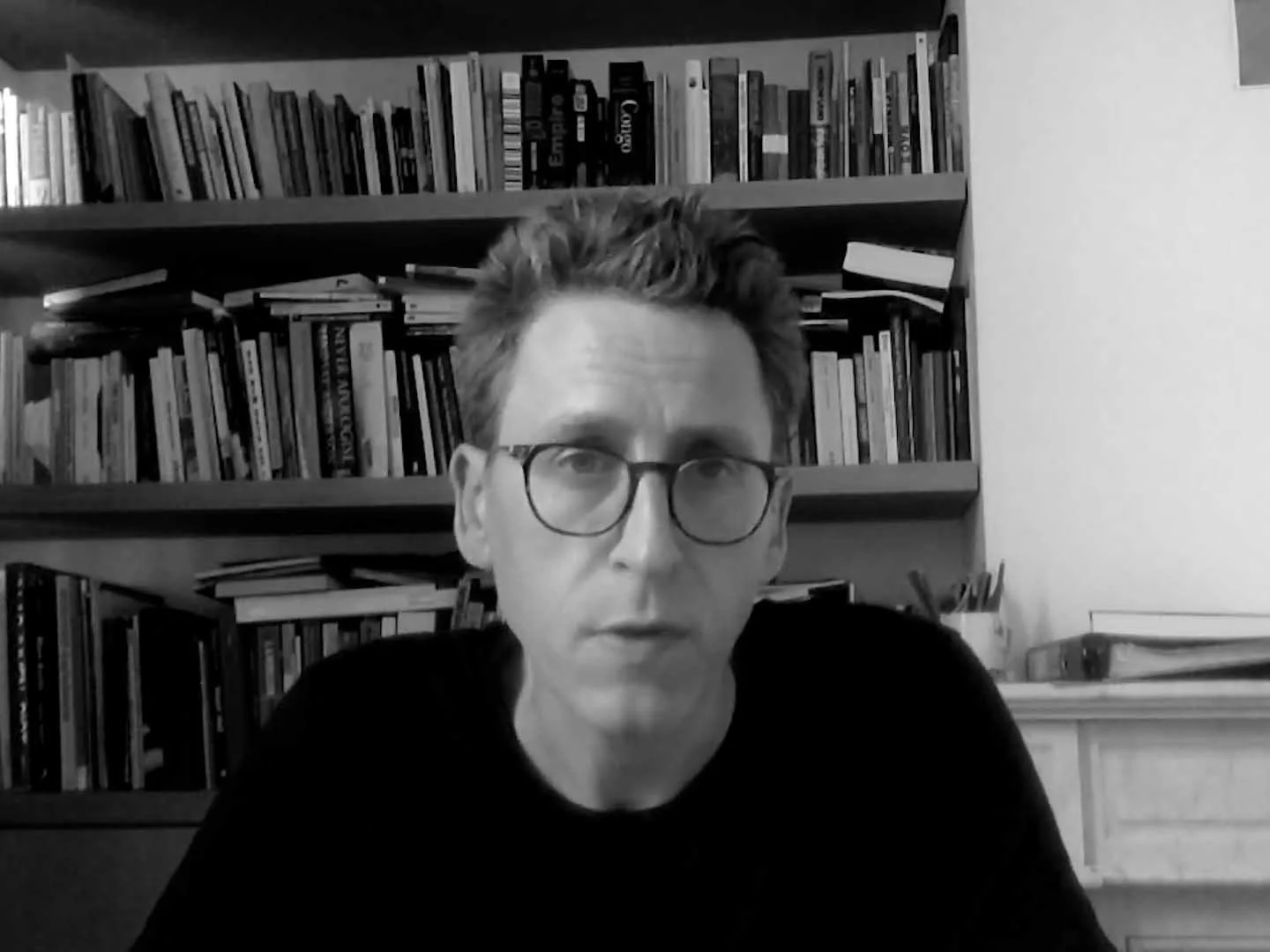
Stoffel Debuysere is a Brussels-based researcher and curator of cinema and audiovisual arts. He has organised numerous film and music programmes in collaboration with a variety of organisations and institutions. He is part of the Courtisane collective and lectures Critical Film Studies at KASK & Conservatorium, Ghent, where he obtained a PhD with the project Figures of Dissent (Cinema of Politics, Politics of Cinema). He is currently conducting postdoctoral research on the politics of the soundtrack at KASK & Conservatorium, entitled Echoes of Dissent.
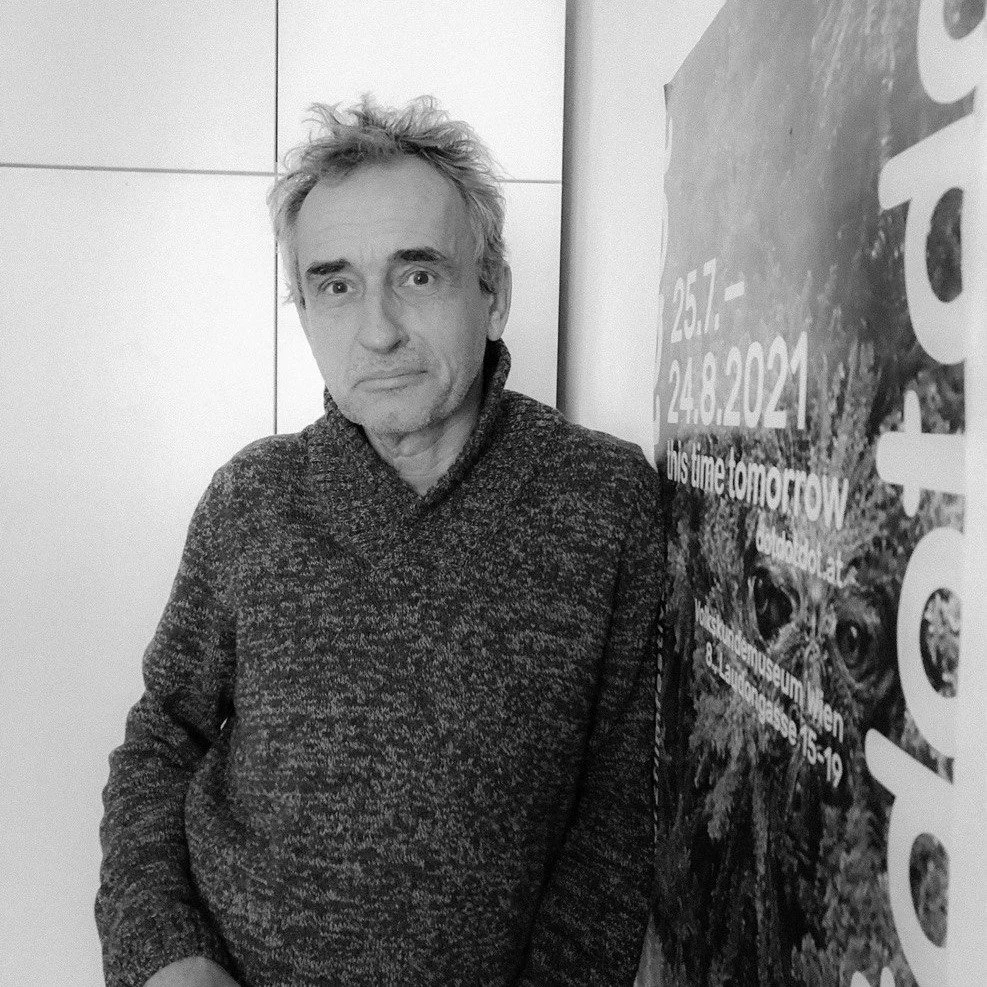
Gerald Weber is an employee and deputy managing director of sixpackfilm since 1998, a non-profit organization for the promotion and distribution of Austrian independently produced films.