
OM PRODUKCIJA //
OM PRODUKCIJA //
V-F-X Ljubljana festival will premiere eight freshly digitised films made at the end of the 1970s and the beginning of the 1980s by OM production, one of the most mysterious phenomena of the Slovenian and Yugoslav avant-garde film. OM production was not a traditional film collective but a fictional entity existing as a concept and a myth, embodied in performative projections of 8mm and 16mm films. Transcending the boundaries of film, its practice combined performance, sensory assaults and collective anonymity.
OM PRODUCTION: BEFORE SECOND COMING
Document Carrousel '77
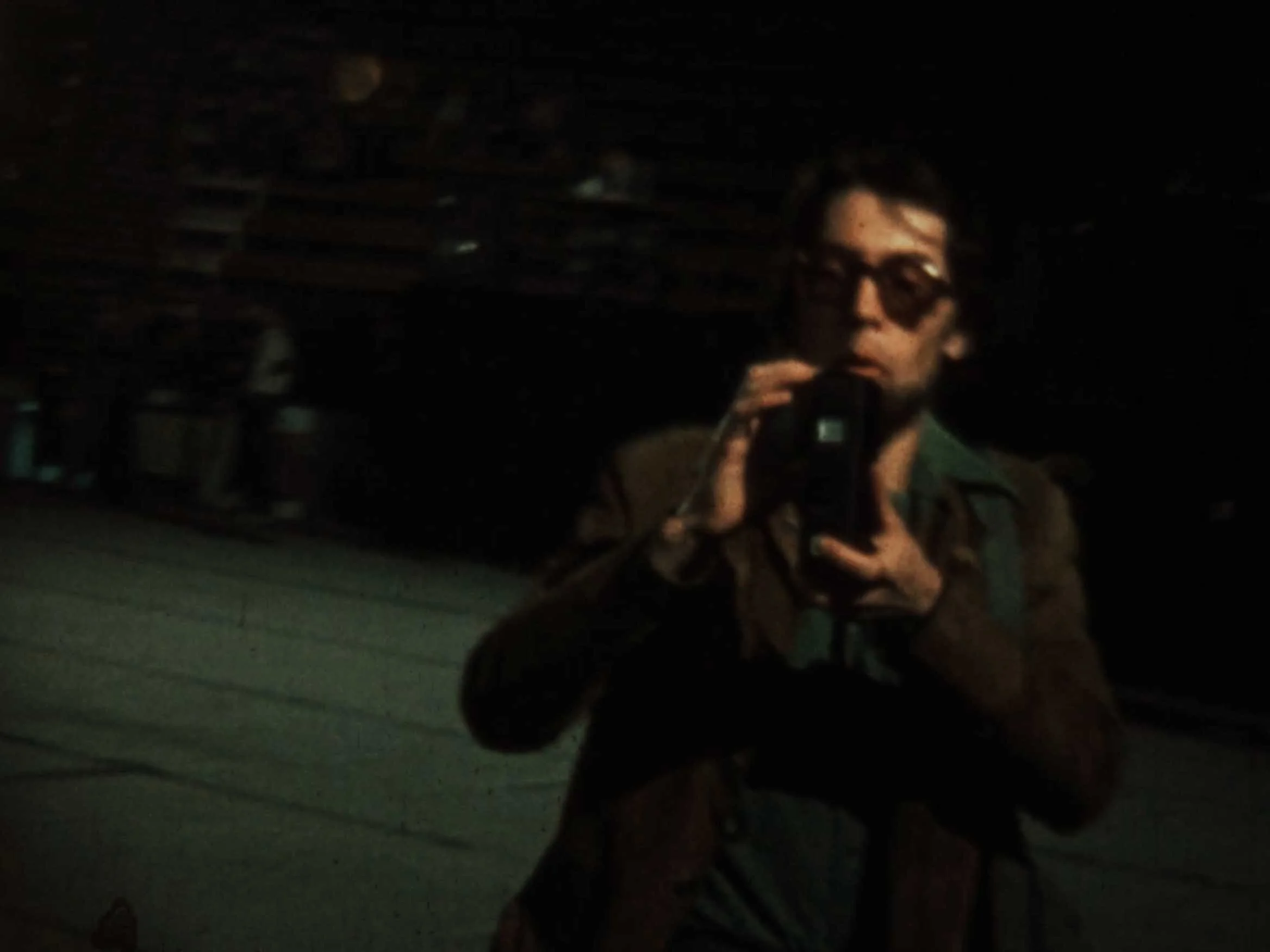
Vinko Cage, Slovenia (Yugoslavia), 1977, DCP (shot on 8 mm), colour, 5', no dialogue
In an atmosphere of universal fear, which is defensively maintained by all authorities, a person is first afraid of being afraid. Fear is the best lock that rarely gives way. And there is only as much freedom as a person can bear.
One Picture Is Worth 10.000 Words
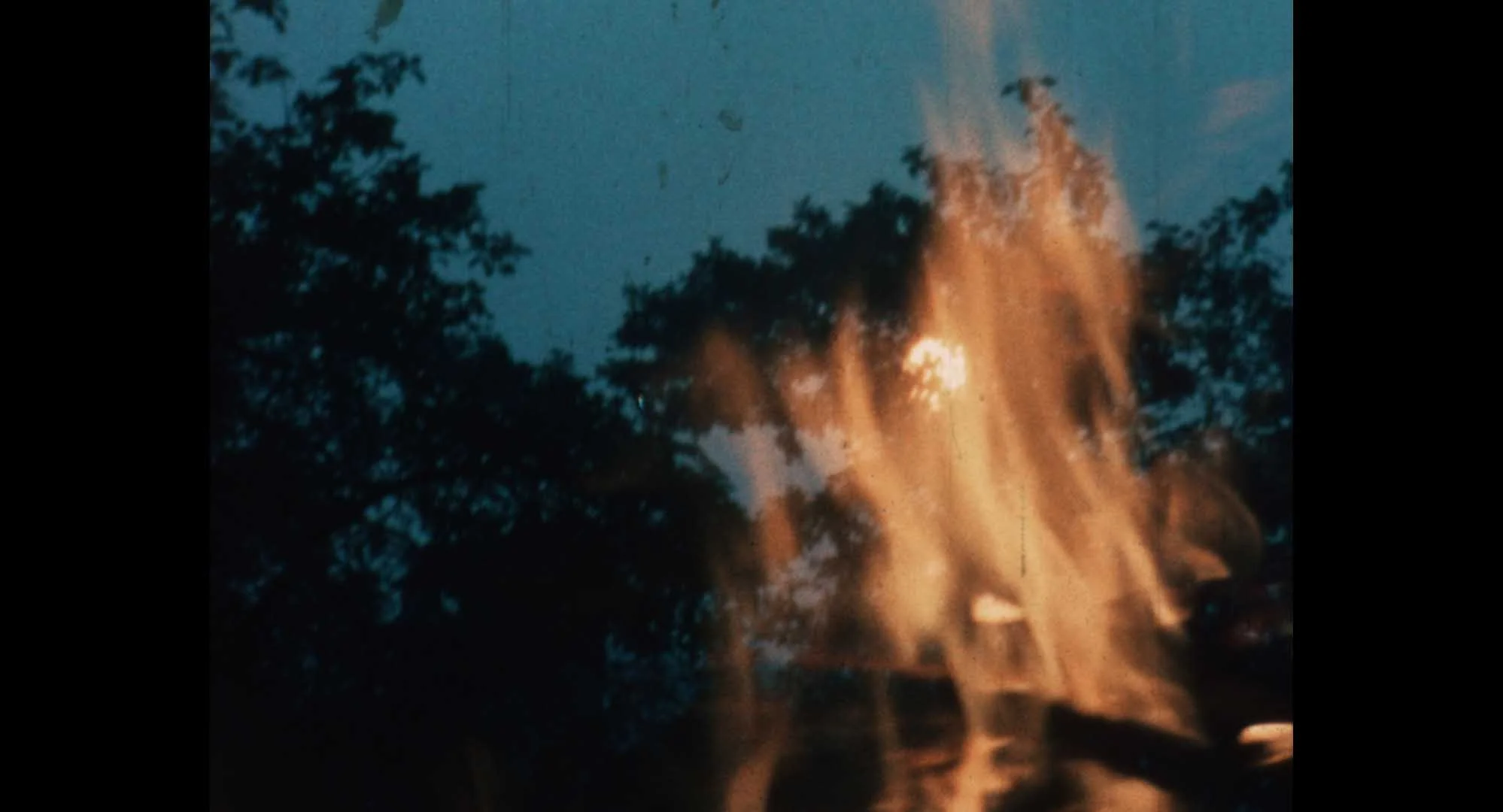
Yusuf Schwarzkobler, Slovenia (Yugoslavia), 1977, DCP (shot on 8 mm), colour, 11', no dialogue
Dream images do not know the difference between the illusory and the real. In OM production’s images, nothing different is seen, it is only seen differently. In every second of life, there are twenty-four images of death. Even fiction is reality. A number of ancient traditions speak of life as a dream.
Galactic Supermarket Presents Cosmic Rainbows
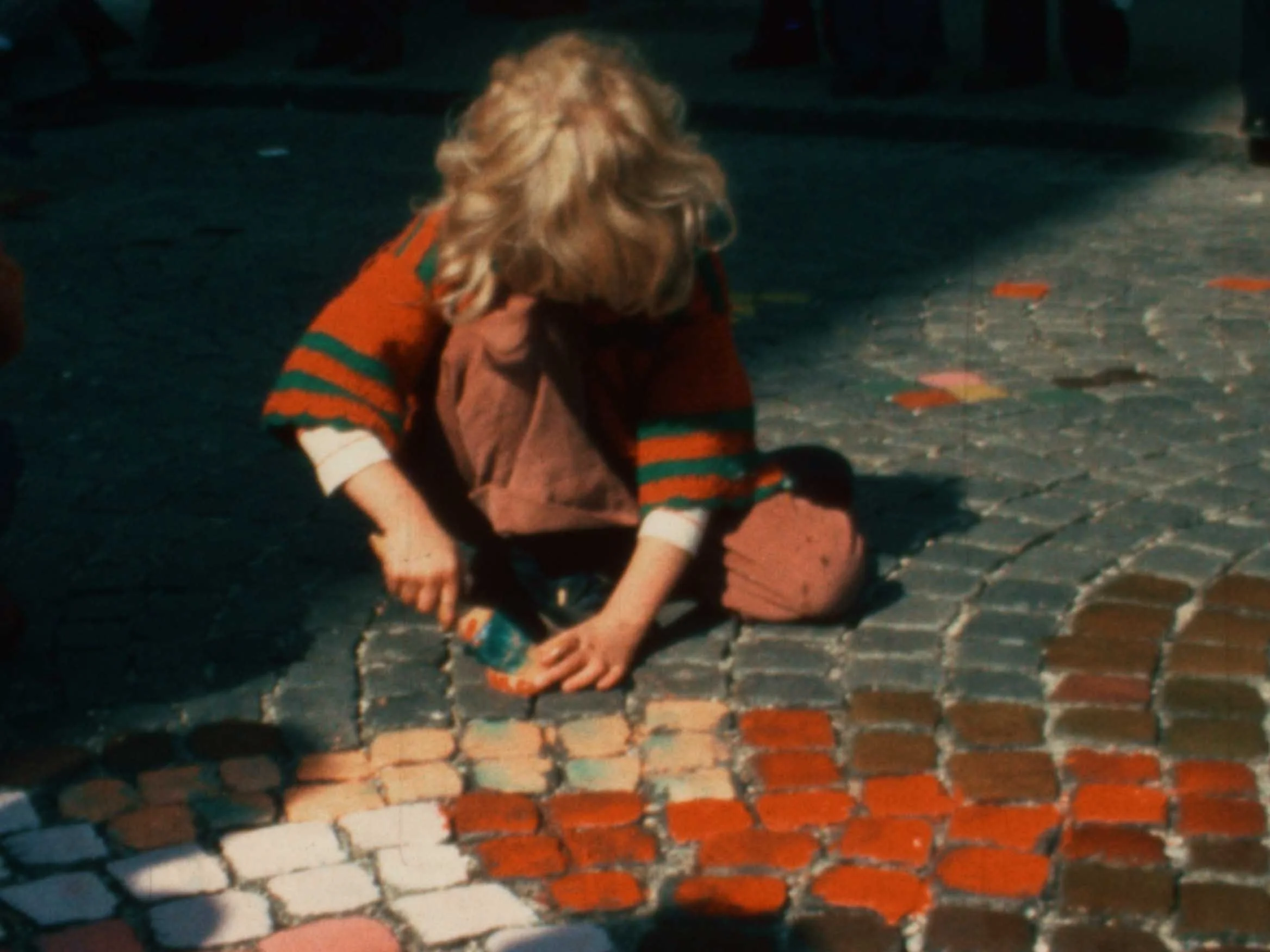
Marta Žnidaršič, Slovenia (Yugoslavia), 1977, DCP (shot on S8 mm), colour, 16', no dialogue
“In the first twelve years, OM production signed 41 works: the first, Document Carrousel 77, was shot with an 8mm camera, the last, Kumbum (1975–1987), was finalised in 1987 on 16mm film. OM production went through a whole range of non-narrative filmmaking, in some cases even within one single film, as is the case with Galactic Supermarket Presents Cosmic Rainbows, which is a smooth journey from the restless Jonas Mekas to the ecstatic Stan Brakhage.” Olaf Möller, Ekran, 2007
Čarovnik sprememb - Greetings To May 1st

Catriona St. Clair, Slovenia (Yugoslavia), 1978, DCP (shot on S8 mm), colour, 10', no dialogue
And if there are rules, who makes them, I ask you? Visual culture is already so strongly anchored in the minds of people that humankind increasingly comprehends the world through images rather than through concepts. We are talking about reason that can think in the language of presented images.
Aura /In Aurovision/
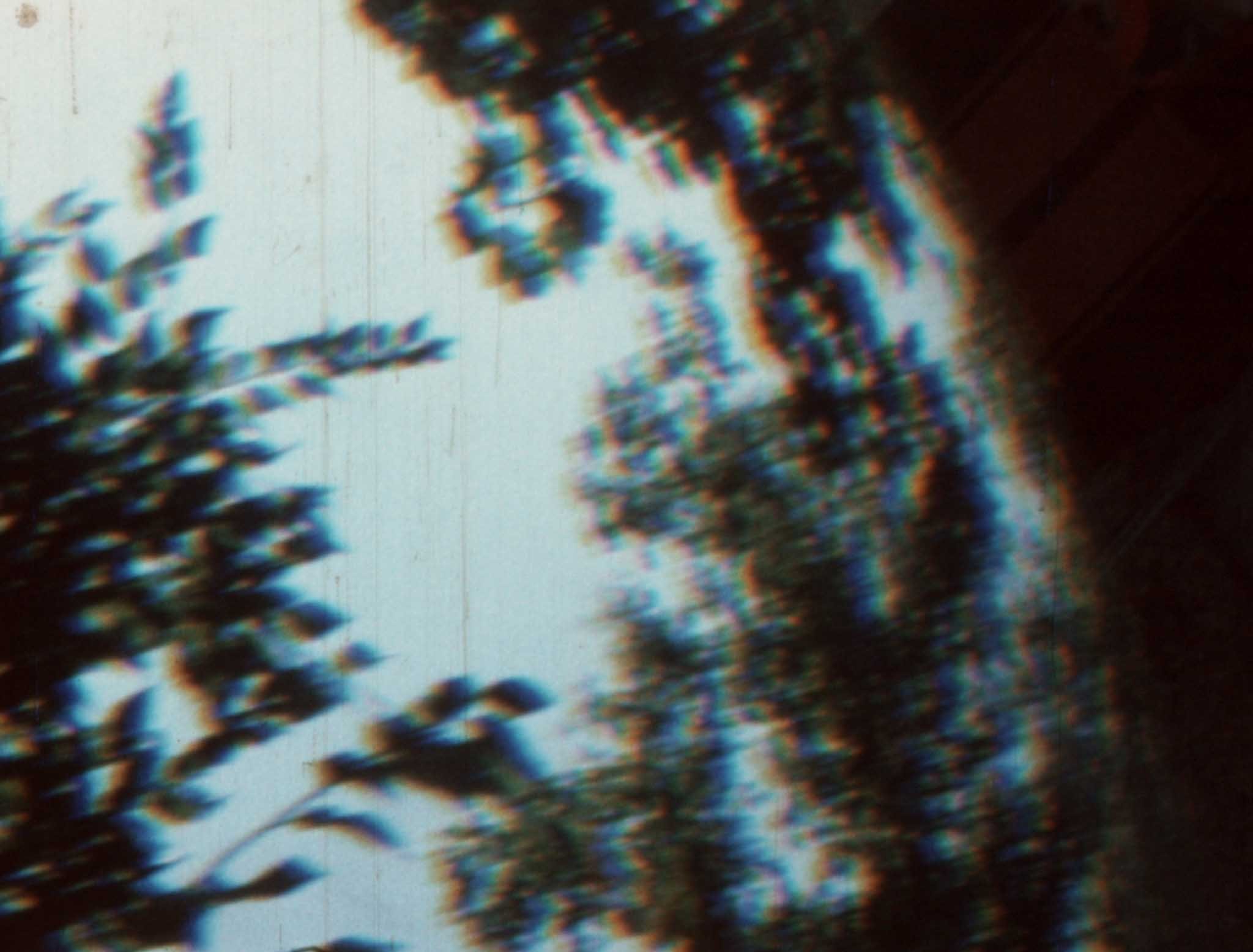
Emannuel Gott-Art, Slovenia (Yugoslavia), 1978, DCP (shot on S8 mm), colour, 8', no dialogue
“Aura /in Aurovision/ is a pleasant novelty in our film production. Each object has its own aura. This aura is the very illusion that separates the real from the unreal, the never discovered from the already known. The filmmaker creates images with almost animated shots, with a simple procedure and without much reflection. Even though his expression is very abstract (for an average spectator), he conceives the image of the avant-garde.” Sineast 47/48, 1980
805 Hommage
Liberio Abrahamsberg, Slovenia (Yugoslavia), 1980, DCP (shot on S8 mm), colour, 7', no dialogue
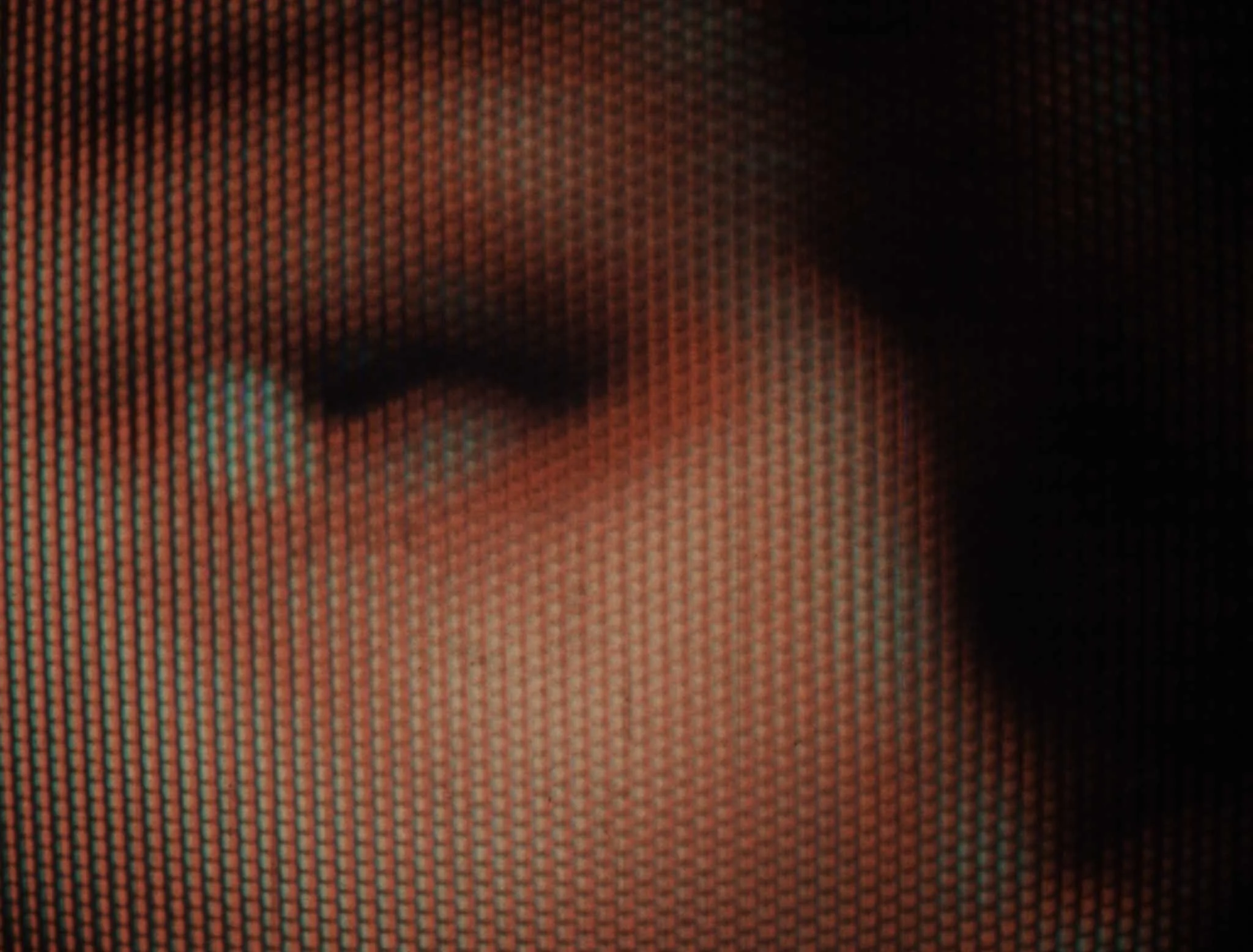
805 Hommage alters the original screen image from zero distance in the macro technique, so we actually see only small sections of the original image through the film's large grain. – The only film from OM production’s oeuvre that faced (silent) censorship at film festivals in former Yugoslavia. The most one could learn from the organisers was the fact that the juries did not dare include it in the festival programs even though they recognised its undeniable cinematic excellence and its original breakthrough. They avoided giving a reason by saying: “What did the filmmaker mean with that ending that dissolves into darkness?” Well, they got their answer only a few years later.
The Bastards: Bread And Games
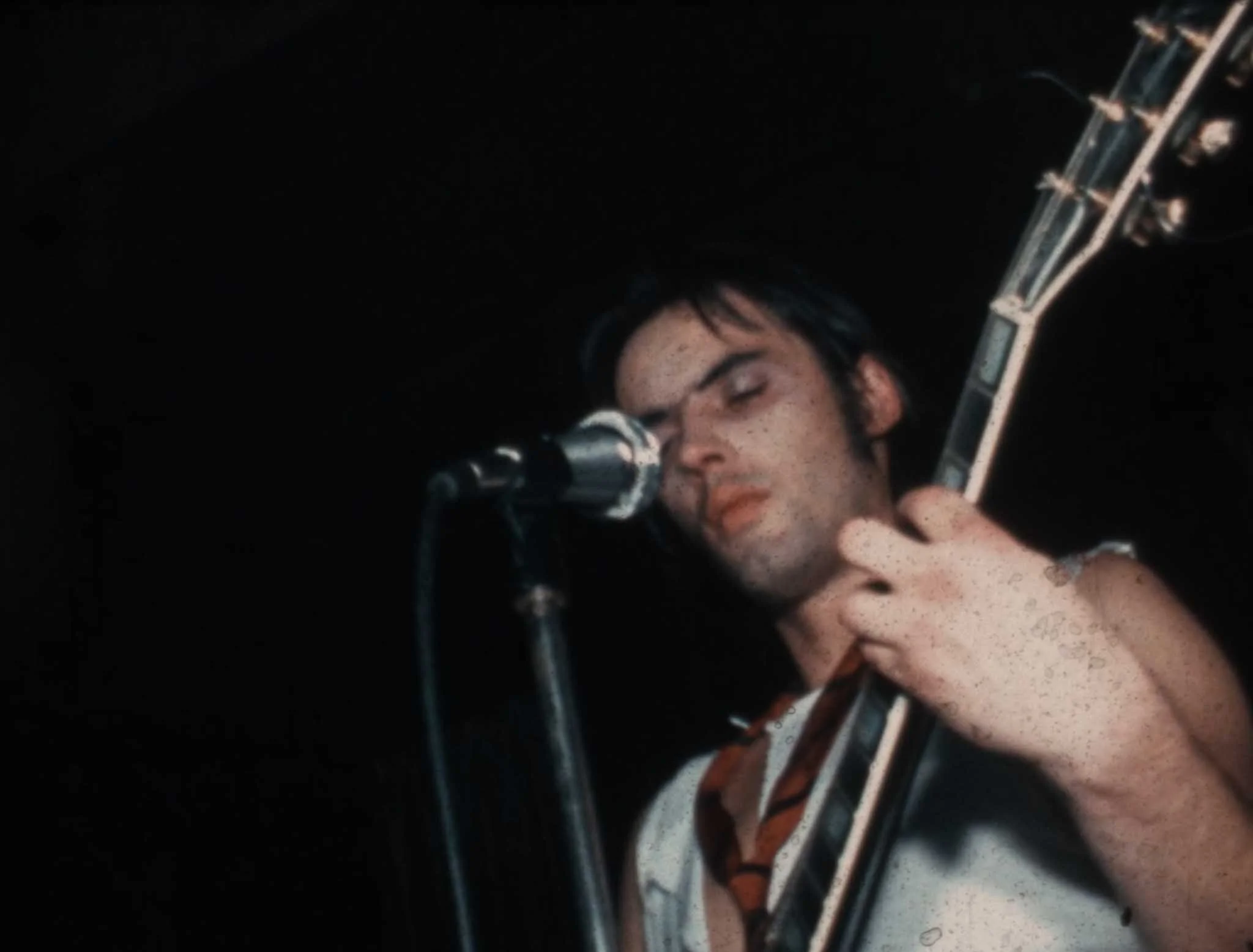
Janez pl. Laibacher (krOM prod.), Slovenia (Yugoslavia), 1977/80 DCP (shot on S8 mm), colour, 3', no dialogue
The first music video for the infamous Ljubljana band Pankrti is based on the opening track from their first album Dolgcajt, released in 1980. One-second shots demonstrate the fusion of the song's primal energy with the sensibility of krOM production’s filmmaker. Let us also add that MTV’s neurotic aesthetics only started to spread around in 1981 and that it took quite a few years for it to be seen on the TV screens in our part of the globe.
Mangiafuoco
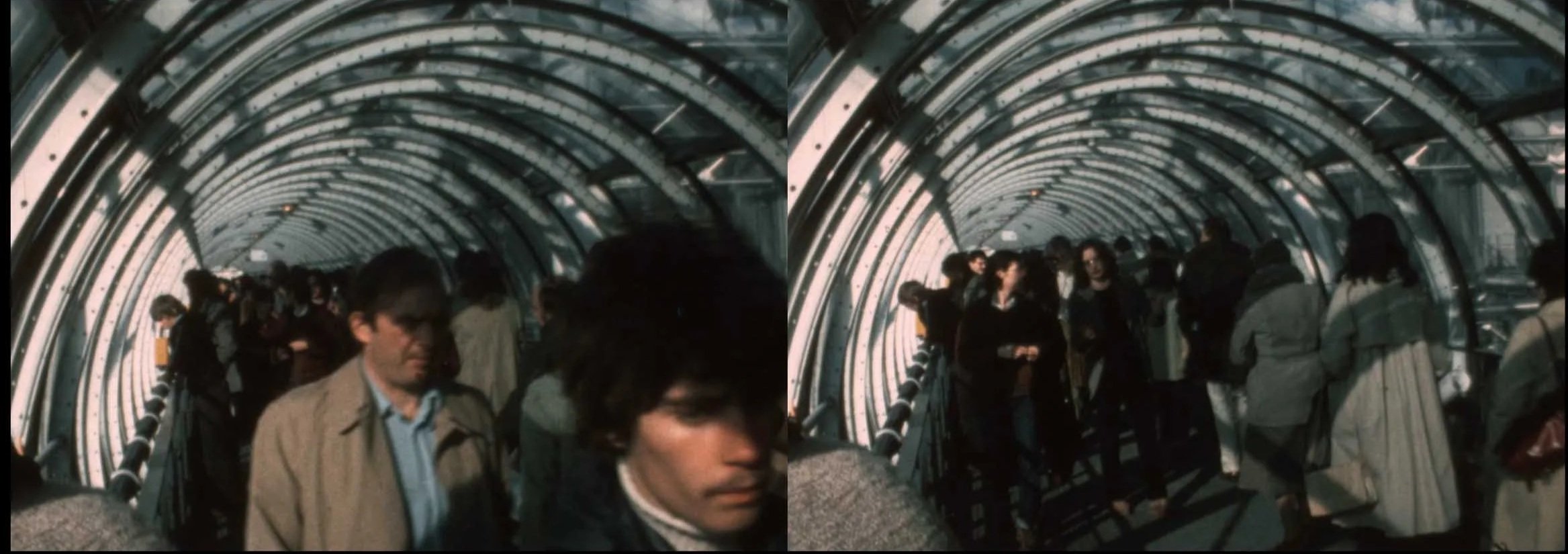
Veronique Gartenzwergl, Slovenia (Yugoslavia), 1979, DCP (shot on 2xS8 mm), colour, 7', no dialogue
video art vid art vis art visual art wizzart wizzard = mangiafuoco
there's no One without the two
m1, m2 – visions of one separate reality (as a state of mind) in(to) reality
seven ways of going seven ways of being seven ways of seing
stopping the time through inward outward moving in space
ABOUT THE AUTHOR:
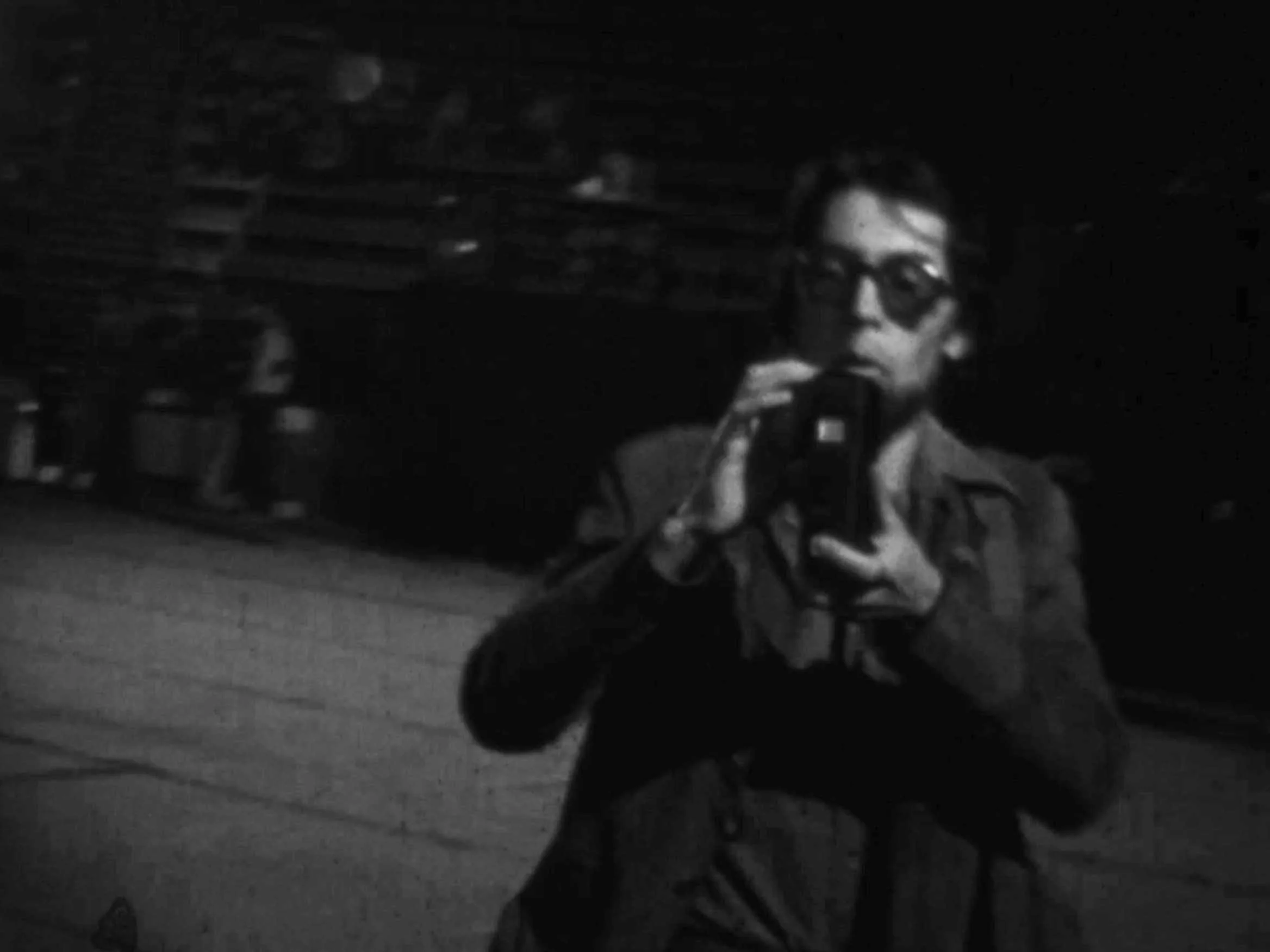
Established in Ljubljana in 1975, OM production made more than 40 films that were shown at numerous festivals in Yugoslavia and abroad over a period of 12 years until its dissolution in 1988, announced in a final declaration. Working outside institutional frameworks and evading pinpoint categorization, this enigmatic collective occupies a liminal place in the history of Slovenian and Yugoslav avant-garde film: between film and performance, between archive and myth, between institutional history and the underground circulation of works. Its creative production defies traditional categories and definitions, including, in addition to film production, photography, avant-garde theater, radio, (musical) composition, electrography, the written word, and multimedia installations.